 Business





Hanging Rope Chair Covers: Measure Basket Curves, Suspension Points, and Stands

A hanging rope chair is a moving basket suspended from [...]
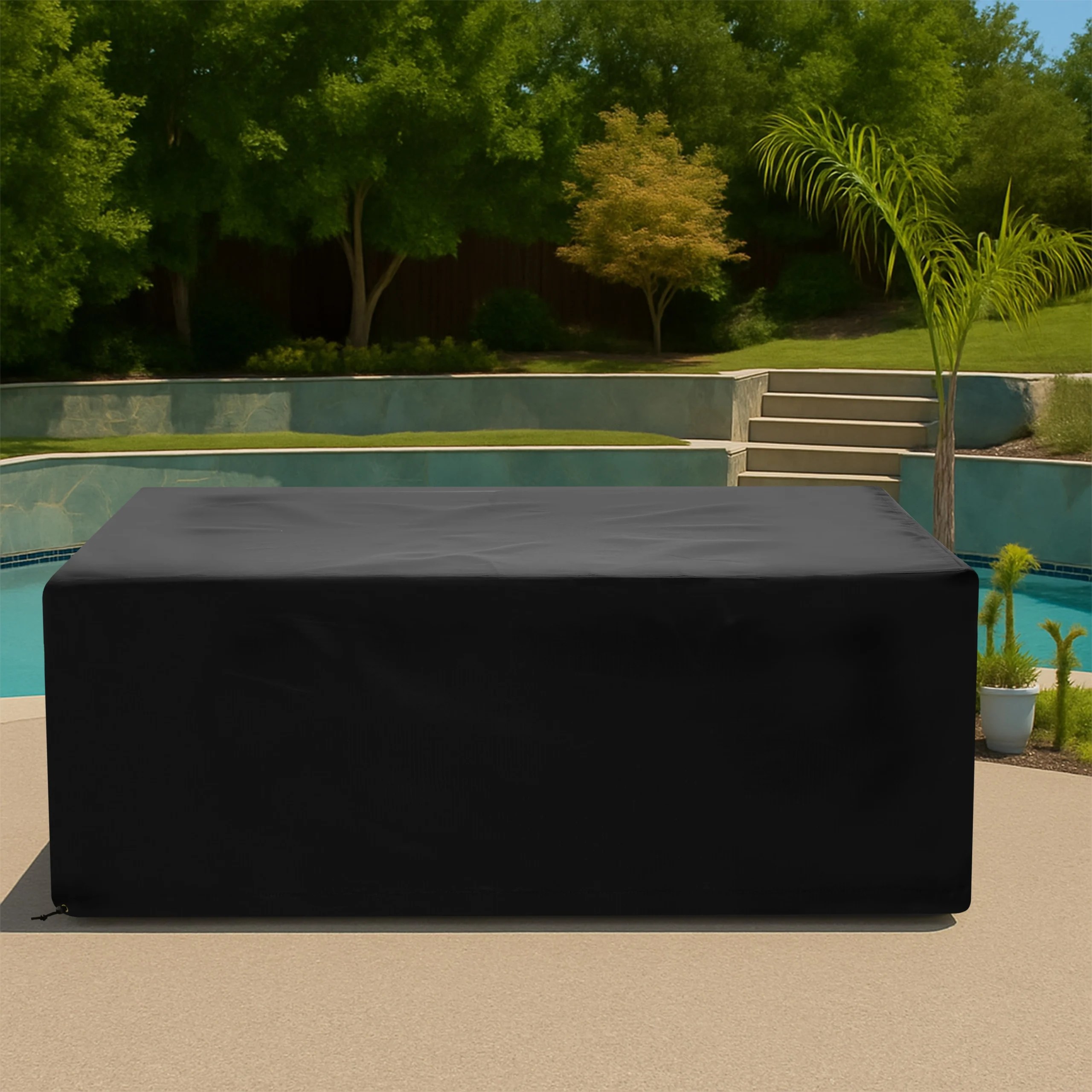
A hanging rope chair is a moving basket suspended from a tall freestanding frame. The chair’s curved body, ropes or chains, top hook, arched support, wide base feet, cushions, and natural swing zone create a profile that changes when touched by wind. A custom hanging rope chair with stand cover should be based on a safe parked configuration rather than the chair at full travel.
Remove the cover before anyone sits in or moves the chair. Inspect the stand, fasteners, suspension hardware, ropes, and basket according to the manufacturer’s instructions. The cover is not a fall-protection device, a child-restraint system, or a substitute for bringing the chair indoors during weather conditions that exceed its rating.

Confirm the Stand and Chair Belong Together
Record manufacturer, model, load rating, stand shape, base design, basket material, suspension type, and accessories. Confirm the chair is assembled and positioned as instructed. Do not measure a mixed or improvised suspension setup until a qualified person has verified that the structure and connection are suitable.
Choose a Repeatable Parked Position
Decide whether the basket hangs naturally, is removed from the stand, or is secured only in a manner approved by the manufacturer. Mark the basket’s center relative to the base. A fitted pattern cannot account for unlimited swinging, so the measured position must be stable and repeatable without stressing ropes or hardware.
Measure the Stand From Base to Hook
Follow How to Measure and record maximum stand height, base width and depth, support-tube diameter, curve projection, and top-hook position. Measure the feet at floor level and note leveling pads or wheels. Photograph the complete frame from both sides.
Map the Basket as a Curved Volume
Record basket width, height, depth, opening size, widest curve, and its distance above the floor. Measure the back and lower bowl at several stations instead of assuming a sphere. Include rigid trim and woven projections, but do not pull flexible rope or wicker tight to change the natural shape.
Document Suspension Hardware and Contact Points
Identify the hook, spring, swivel, carabiner, chain, rope bundle, sleeves, and any height-adjustment links that remain installed. Record hard or abrasive contacts where the cover passes the top connection. Hardware must stay visible enough for pre-use inspection after the cover is removed.
Decide Where Cushions Will Be Stored
Clean and dry cushions before choosing whether they remain in the basket. Indoor storage usually reduces moisture and fading, while cushions left in place change the cover volume. Measure one consistent configuration and never compress thick cushions to create a tighter-looking silhouette.
Keep the Hem Clear of Feet and Walkways
Set the bottom edge above the floor and outside the stand’s foot pads so it does not hide a trip point or enter a moving joint. Record nearby doors, steps, drains, and furniture. Closures should be reachable from the ground without climbing on the stand or pulling the basket sideways.
Select Fabric for Curves and Repeated Removal
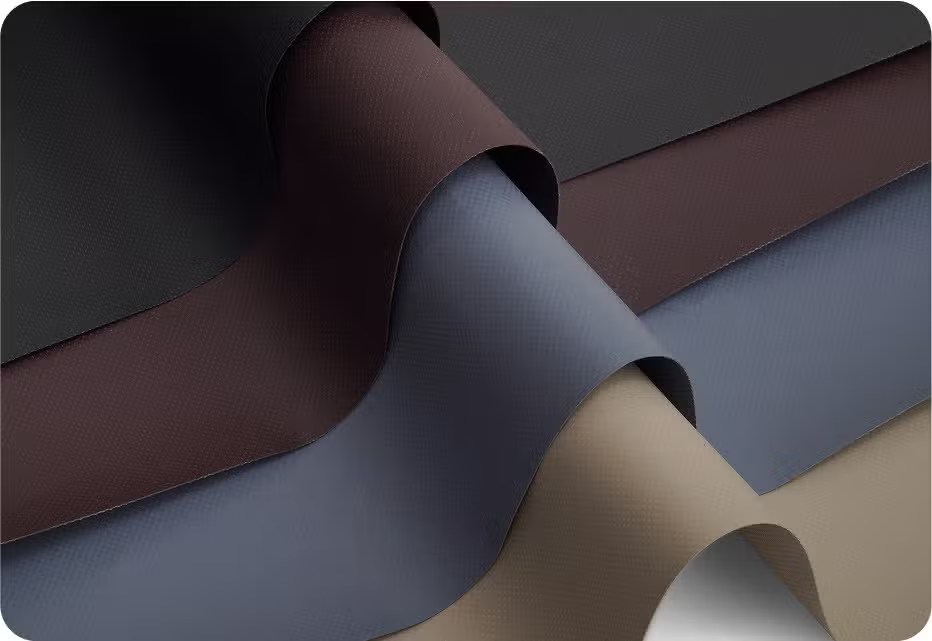
Review flexibility, abrasion resistance, water behavior, UV performance, and handling weight on Our Fabrics. Browse Patio Furniture Covers. A supple material and clear orientation labels can make it easier to guide the cover over the basket and tall arch.
Use a Weather and Inspection Routine
Remove and dry the cover if moisture collects, and inspect the frame, basket, suspension, seams, closures, and ground contact after wind or storms. Never use the chair while any textile remains attached. Follow product guidance for strong winds, freezing conditions, and long-term storage, including indoor relocation when required.
Build a Chair-and-Stand Fit Brief
Provide the stand envelope, support curve, base footprint, hook location, basket stations, approved parked position, suspension hardware, cushion plan, hem clearance, exposure, and labeled photos. Review the Hanging Rope Chair With Stand Cover or Request a Quote.
Frequently Asked Questions
Can the chair swing while the cover is fitted?
No. Use only an approved parked configuration, and remove the complete cover before moving or using the chair.
Should the stand and basket be measured separately?
Measure both individually and together so the pattern accounts for the stand curve, suspension point, basket volume, and base.
Can cover straps secure the chair in severe wind?
No. Follow the manufacturer’s weather and relocation guidance; cover closures are not structural anchors.
Turn the Measurements Into a Clear Cover Brief
A reliable made-to-measure cover begins with the actual stored configuration, complete dimensions, labeled photos, safe-use limits, and a practical removal routine. CoversForge can review fit, fabric, access, handling, and quantity for the documented application. Request a Quote when the specification is ready.
Share This Article

Written by : CoversForge
Follow Us
Latest Articles
September 10, 2026
September 10, 2026
September 10, 2026