 Business


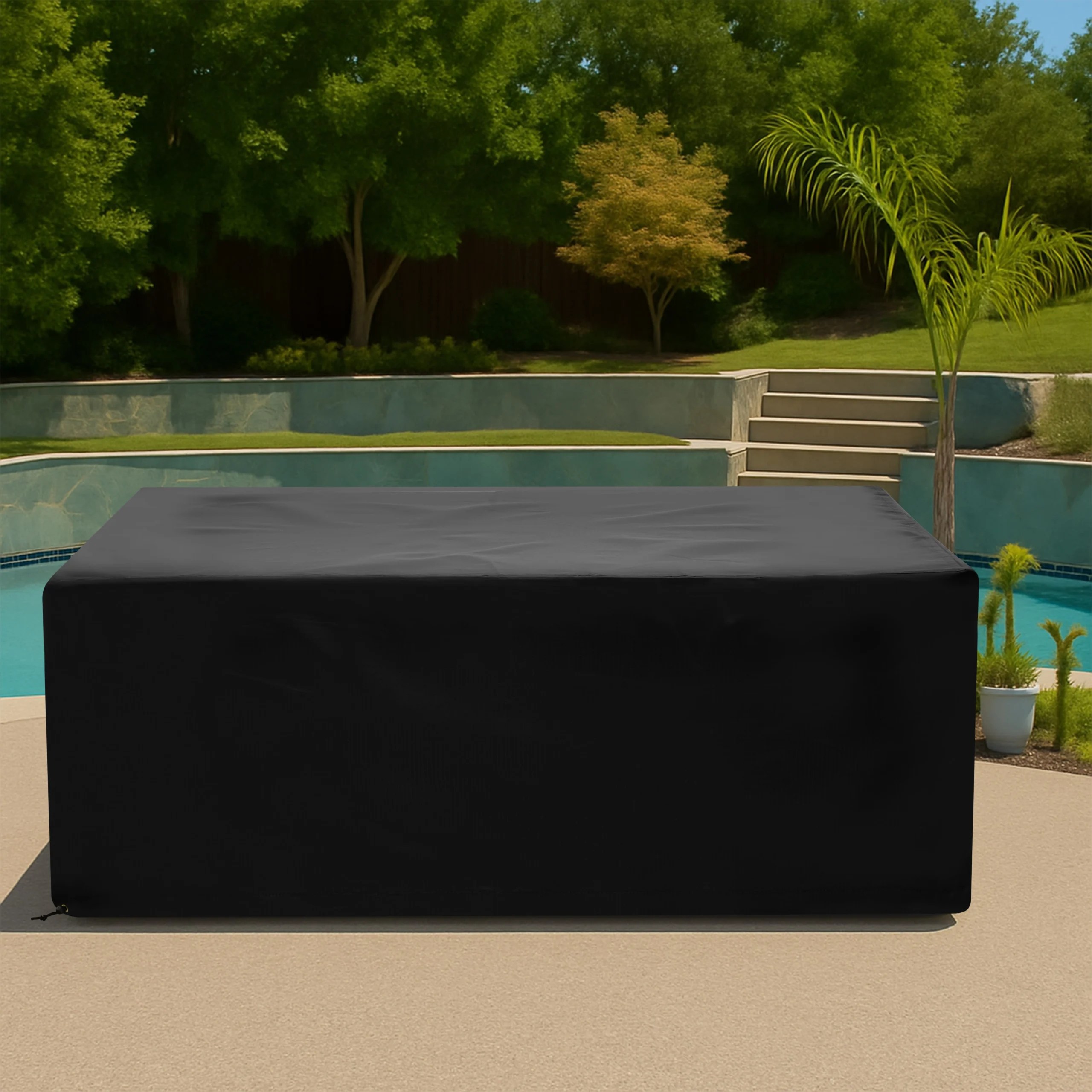




Garden Planter Bench Covers: Map Trellises, Seats, Soil Boxes, and Drainage

A planter bench with a trellis combines a low seating [...]
A planter bench with a trellis combines a low seating structure with tall, open latticework and soil-filled side boxes. Those parts react differently to wind, moisture, plant growth, and fabric tension. A custom garden planter bench with trellis cover needs a defined seasonal purpose and a measured structure, not a tight wrap around living foliage.
Confirm the bench and trellis are sound before covering. Remove the cover completely before sitting, gardening, watering, or using tools. Follow plant-care guidance and the furniture maker’s instructions; a cover cannot stabilize loose lattice, protect plants from every temperature, or replace drainage and winter preparation.

Define What the Cover Should Protect
Decide whether the goal is off-season protection for an empty, cleaned structure or short-term shelter for the bench after planters are cleared. Do not assume plants can remain enclosed. Record which pots, liners, irrigation parts, cushions, hooks, and decorative panels will be removed before the cover is installed.
Inspect the Trellis and Bench Connections
Check the tall frame, lattice intersections, fasteners, planter-to-bench joints, seat supports, feet, and anchors. Repair loose slats, splinters, corrosion, or rot before measuring. The textile must not be used to pull a leaning trellis upright or bind separate planter boxes into one structural unit.
Measure the Overall Envelope First
Use How to Measure to record maximum width, depth, and height at rigid extremes. Include finials, cap rails, planter rims, arm-like ends, and feet. Measure both sides independently if the boxes differ, and photograph a tape reference so the orientation is clear.
Create a Trellis Station Diagram
Measure trellis width and thickness at the top, middle, and base, plus its distance from the seat front and planter edges. Note any arch, taper, or backward lean. A few station measurements explain the vertical profile better than one maximum height and help avoid a large unsupported panel in wind.
Map the Seat, Planter Boxes, and Gaps
Record seat width, depth, height, back edge, planter-box outside dimensions, and gaps between components. Decide whether clean, dry cushions move indoors. Do not measure compressible cushions as structure or let a cover bridge across delicate plant supports that will not remain in place.
Keep Soil and Drainage Separate From Fabric
Empty or prepare planters according to horticultural guidance. Clear drains and keep the cover hem above weep holes, soil, mulch, and wet paving. Fabric resting in damp soil can wick moisture and collect stains; blocked drainage can damage the planter even when the exterior appears protected.
Protect Sharp Lattice Contacts
Identify cut ends, fastener heads, wire ties, hooks, and narrow trellis corners. Remove temporary ties and tools, smooth approved contact zones, and discuss reinforcement where the cover must pass a durable rigid point. Extra fabric weight does not make an untreated sharp edge safe for repeated wind movement.
Choose Material for Height and Handling
Compare UV resistance, water behavior, flexibility, abrasion performance, and finished weight on Our Fabrics. Browse Patio Furniture Covers. A tall cover needs a realistic removal plan, labeled orientation, and enough help to avoid pulling against the lattice.
Plan Closures Without Loading the Trellis
Locate stable lower-frame points approved for gentle hem control. Do not attach straps to thin lattice, living plants, irrigation tubing, drains, or decorative trim. Where wind exposure is severe, follow the maker and site plan for anchoring or relocating the whole unit instead of adding improvised cover tension.
Prepare a Seasonal Fit Package
Send the full envelope, trellis stations, seat and planter dimensions, removed-item list, drainage plan, foot and anchor locations, surface conditions, exposure, handling method, and labeled photos. Review the Garden Planter Bench With Trellis Cover or Request a Quote for the documented structure.
Frequently Asked Questions
Can vines stay wrapped inside the cover?
Do not assume so. Follow plant-specific guidance and define a cleared seasonal storage profile before measuring.
Should the hem touch soil to close the bottom?
No. Keep it above soil, mulch, drains, and wet paving so water can escape and the textile stays cleaner.
Can the cover brace a loose trellis?
No. Repair and stabilize the structure with appropriate hardware before covering it.
Turn the Measurements Into a Clear Cover Brief
A reliable made-to-measure cover begins with the actual stored configuration, complete dimensions, labeled photos, safe-use limits, and a practical removal routine. CoversForge can review fit, fabric, access, handling, and quantity for the documented application. Request a Quote when the specification is ready.
Share This Article


