 Business


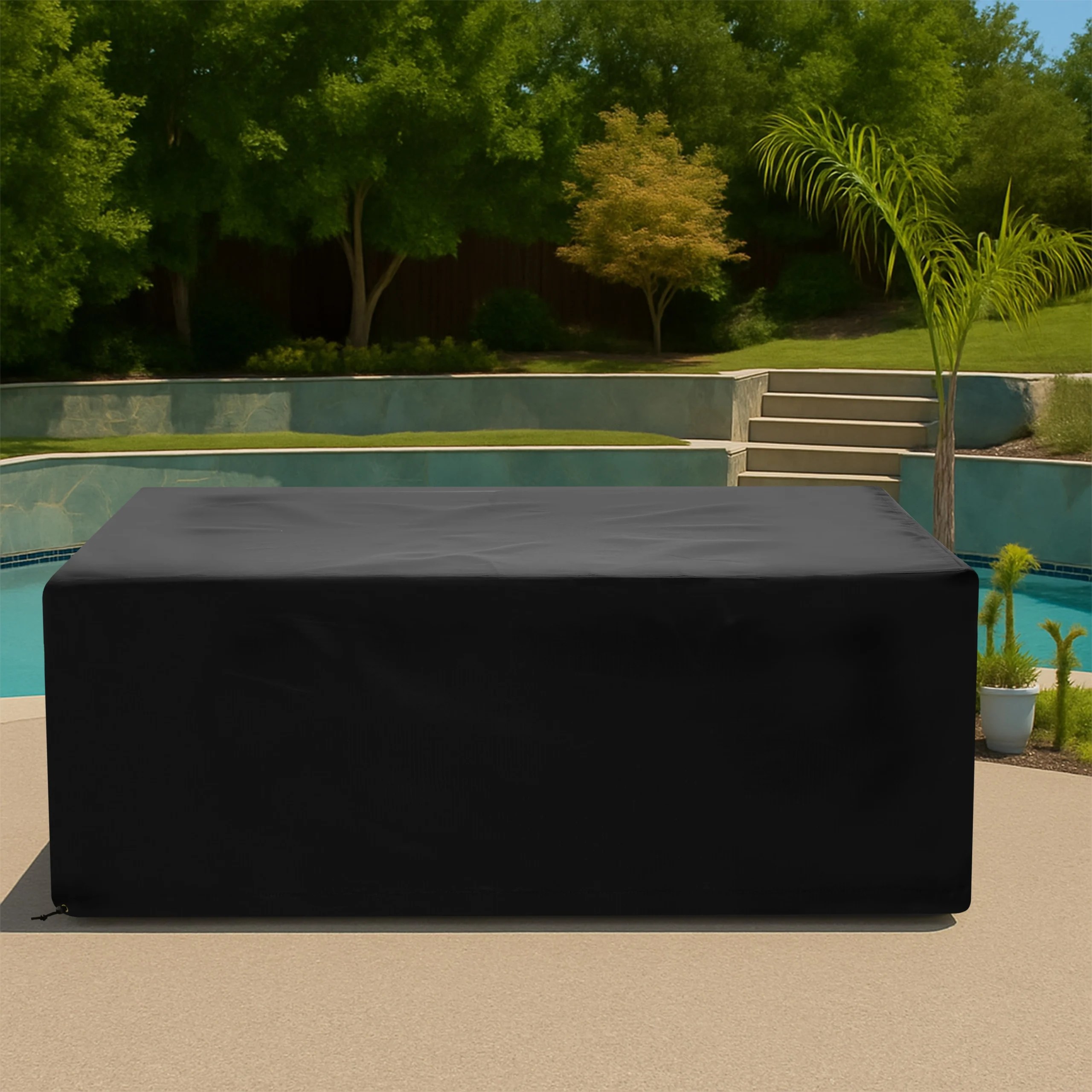




Curved Refrigerated Display Case Covers: Plan Glass, Controls, Vents, and Shutdown

A curved refrigerated display case combines fragile glass with a [...]
A curved refrigerated display case combines fragile glass with a sloped merchandising front, raised service ledge, rear doors, controls, ventilation grilles, condensate parts, shelves, bumpers, and a heavy base. Curved refrigerated display case custom covers should be developed for an empty, clean, dry, powered-down unit in the exact storage or renovation configuration approved by its manufacturer.
Never cover operating refrigeration equipment or use fabric as a food-safety barrier. Remove all food and removable service items, complete the required shutdown and sanitation process, disconnect power only as authorized, and allow temperatures and moisture to normalize. Facility procedures, electrical rules, and the equipment manual control every step.

Confirm the Model and Approved Shutdown State
Record maker, model, serial location, installation type, refrigeration configuration, electrical supply, casters or legs, and the purpose of the cover. Ask facility and service staff to define the approved shutdown state. A fitted cover must not conceal an operating alarm, trap heat, or delay required inspection.
Measure the Base and Rear Service Profile
Follow How to Measure and record maximum base width, depth, height, kick plate, bumpers, legs, casters, cord exits, and rear-door projections. Include the service ledge and any fixed countertop. Keep the hem above floors, drains, and wheel hardware.
Map the Curved Glass With Stations
Record front depth and height at the left end, quarter points, center, three-quarter points, and right end. Add the top arc or slope relative to the base and measure each end panel separately. Do not press tools or fabric against glass to force a simple radius; use clear labeled photos and safe measuring methods.
Protect Glass Edges, Seals, and Trim
Inspect chips, loose trim, gaskets, handles, hinges, and exposed fasteners before covering. Repair damaged glazing through qualified service. Identify unavoidable durable contact zones and avoid placing seams, buckles, or concentrated tension across glass corners, door seals, or decorative lighting channels.
Include Rear Doors, Shelves, and Accessories
Document whether doors slide, swing, lift, or remove and confirm they are closed in the measured configuration. Remove trays, cutting boards, utensils, signage, and loose shelves unless the manual requires them to stay. Store cleaned parts separately so they cannot shift and strike the glass under the cover.
Keep Controls and Vents Clear Until Shutdown Is Complete
Locate control panels, switches, status lights, intake and exhaust grilles, compressors, and condenser access. The cover goes on only after authorized shutdown, cleaning, drying, and any required service checks. Do not operate the unit beneath the cover or use access flaps to justify restricted ventilation.
Manage Condensate, Drains, and Moisture
Empty approved pans, clear drains, and dry the interior and exterior according to the manual. Record any hose or drain that remains connected and prevent the hem from blocking floor drainage. Schedule inspections during storage; a tidy exterior cover can otherwise hide leaks, odors, corrosion, or pest activity.
Choose Fabric for Commercial Interiors
Compare abrasion performance, water behavior, flexibility, cleanability, and handling weight on Our Fabrics. Browse Equipment Covers. The material and closures should suit the documented indoor environment without implying food-contact approval or operational use.
Plan Removal Around Staff and Customer Areas
Define who installs the cover, where it folds, and how the case is isolated from customers during maintenance. Use enough trained staff for the size and weight. Keep exits, aisles, utilities, and sanitation routes clear, and never climb on the base or glass to pull the cover into place.
Send a Facility-Ready Specification
Provide model details, base envelope, curved-glass stations, end profiles, rear doors, controls, vents, drain and power plan, casters, shutdown procedure, indoor exposure, handling team, quantity, and labeled photos. Review the Curved Refrigerated Display Case Custom Covers or use Business Inquiries for multi-location programs.
Frequently Asked Questions
Can a refrigerated case run while covered?
No. Use the cover only in the manufacturer-approved powered-down, empty, clean, and dry state.
Is one radius enough to describe the curved glass?
Usually not. Record several stations across the front and separate end profiles to document the real shape.
Can the cover replace sanitation procedures?
No. Complete food removal, cleaning, drying, inspection, and shutdown requirements before installation.
Turn the Measurements Into a Clear Cover Brief
A reliable made-to-measure cover begins with the actual stored configuration, complete dimensions, labeled photos, safe-use limits, and a practical removal routine. CoversForge can review fit, fabric, access, handling, and quantity for the documented application. Request a Quote when the specification is ready.
Share This Article

Written by : CoversForge
Follow Us
Latest Articles
September 9, 2026
September 9, 2026