 Business


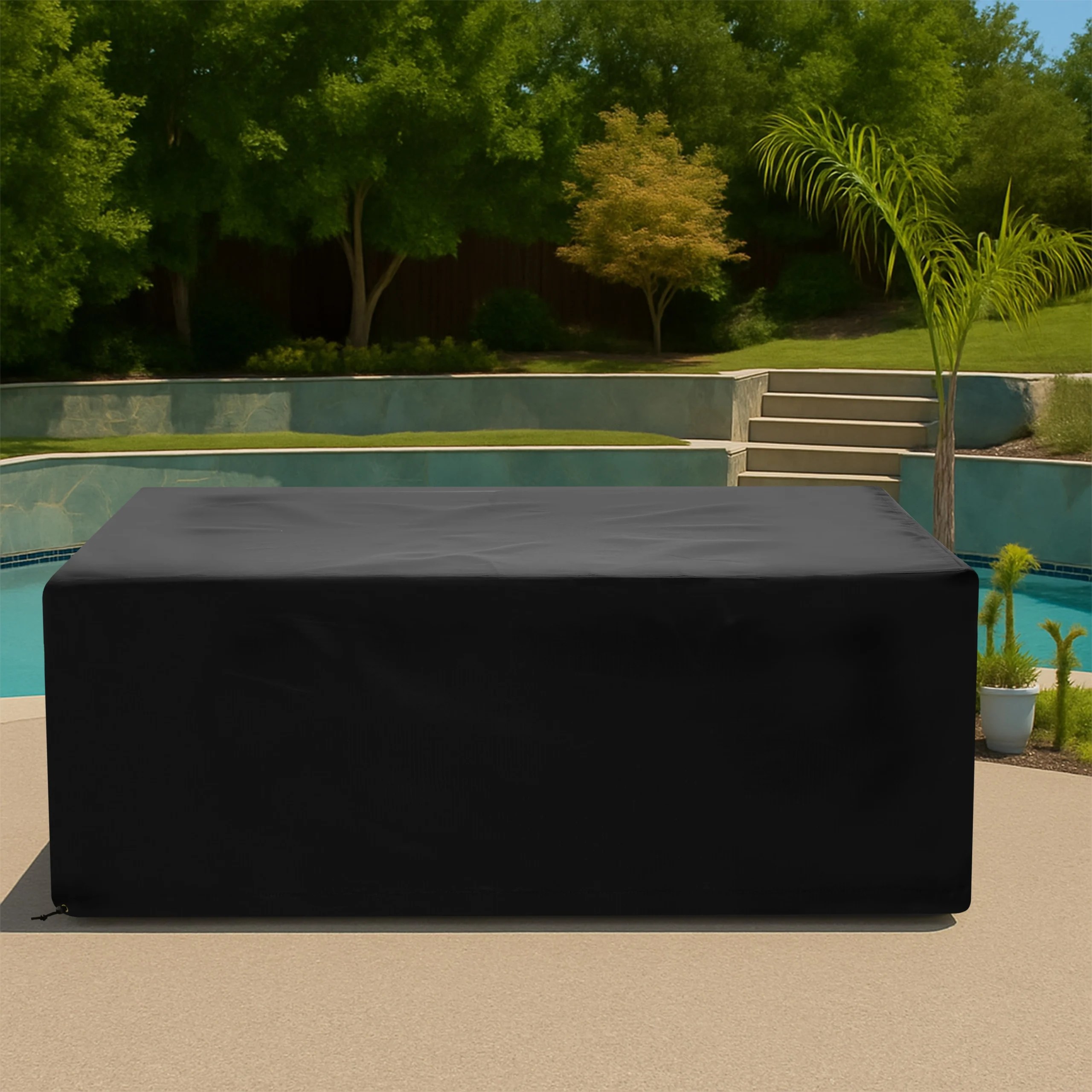




Rectangular Heavy-Duty Tarp Covers: Measure Loads, Edges, and Anchor Lines

A rectangular load can look simple from a distance, yet [...]
A rectangular load can look simple from a distance, yet the corners, stacked layers, pallet feet, and tie-down path determine whether a cover stays controlled. A custom rectangular heavy-duty tarp cover is planned around the stored object instead of leaving a crew to fold and rope an oversized sheet every time weather changes.
Start with the object in its normal storage arrangement. Stabilize the load, remove loose debris, and confirm that the structure is suitable for covering. The cover is weather protection, not cargo restraint, fall protection, or a substitute for the rated straps and blocking required to secure materials.
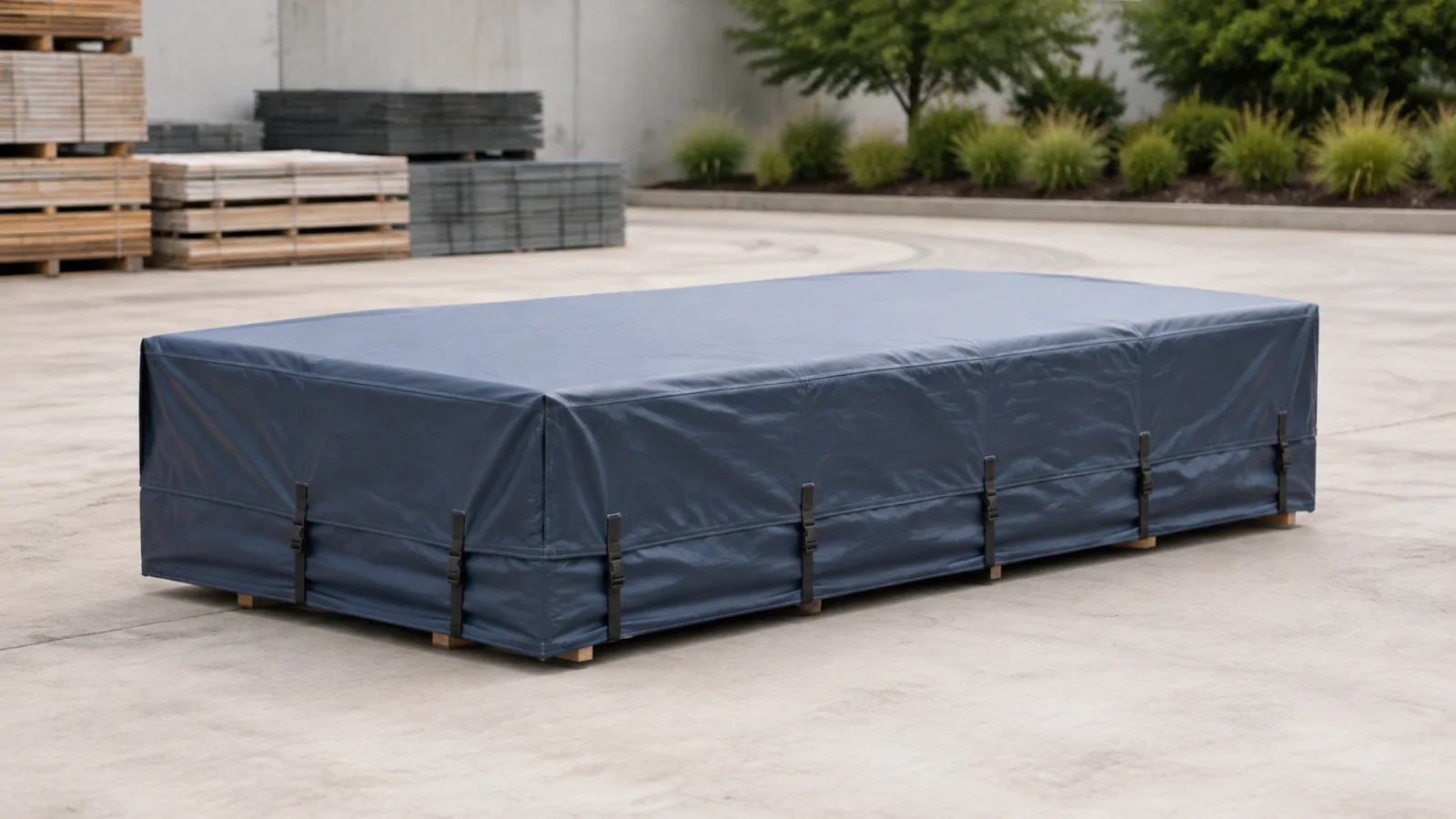
Define the Exact Rectangular Footprint
Record the maximum length and width at rigid points, not only the nominal pallet or platform size. Include cap rails, edge protectors, brackets, lifting eyes, and anything that remains in place. If several pallets form one covered block, measure the complete outside envelope and photograph every side.
Measure Height Where the Load Actually Changes
Follow the basic process in How to Measure, then add height readings at all four corners and across the center. Stacked materials often settle unevenly, so note steps, crowns, and low sections that could collect water. Use the tallest stable storage configuration rather than a temporary half-load.
Map Abrasive Edges Before Choosing Fabric
Sharp sheet-metal corners, rough lumber, masonry, and protruding fasteners can concentrate abrasion. Mark them in photos and use appropriate edge protection on the stored item. A thicker fabric can improve durability, but no textile should be expected to survive sawing against an unprotected sharp edge in wind.
Build a Broad Runoff Profile
A flat upper surface invites ponding. If the stored material can safely support a smooth, broad crown, describe its location and height; otherwise use an approved support frame that cannot collapse into the load. Keep the slope gradual so water runs away without creating a narrow pressure point under the fabric.
Separate Cover Retention From Load Restraint
Identify fixed, structurally approved points for the cover hem or buckle straps. Do not attach cover hardware to loose boards, lifting eyes needed for operations, moving equipment, or the straps that restrain the load. The cover should remain removable without weakening the storage system underneath.
Plan Safe Ground and Forklift Clearance
Set the hem above puddles, mud, abrasive concrete, and forklift contact zones. Mark pallet openings and approach routes that must stay visible. If equipment operators need access, create a written uncovering procedure rather than driving into fabric or leaving long loose straps near wheels.
Choose Fabric for Exposure and Handling
Compare water behavior, UV resistance, abrasion performance, flexibility, and handling weight on Our Fabrics. A large cover that one person cannot lift safely may need handles, labeled corners, sectional construction, or a two-person deployment plan. Daily-use covers often benefit from easier handling as much as maximum weight.
Add Access Only Where Operations Need It
A zipper, split, or flap can make inspection easier, but every opening must have a defined purpose and closure sequence. Record which side faces the aisle, which labels must remain visible, and whether the load is inspected without fully uncovering it. Avoid openings that can be left loose in wind.
Create an Installation and Inspection Routine
Before fitting the cover, confirm the load is stable, clean, dry, and cool. Install from the labeled end, smooth the upper surface, secure opposite sides evenly, and inspect every anchor. After severe weather, check for shifted material, pooled water, abrasion, and damaged hardware before touching the cover.
Send CoversForge a Complete Load Brief
Provide the finished envelope, height variations, edge risks, support method, hem clearance, approved anchor points, exposure, handling frequency, access needs, and labeled photos. Review the Rectangular Heavy-Duty Tarp Cover, or use Business Inquiries for repeat warehouse or fleet quantities.
Frequently Asked Questions
Can a fitted tarp secure an unstable load?
No. Stabilize and restrain the load with systems rated for that purpose before covering it.
Should the cover touch sharp corners?
Use proper edge protection and identify every abrasive point. Fabric weight alone does not eliminate cutting or rubbing damage.
Is one-piece construction always best?
Not necessarily. Very large or frequently handled loads may be safer and easier to manage with planned sections or multiple covers.
Turn the Measurements Into a Cover Brief
A strong rectangular cover begins with a stable load and a documented handling path. Precise corners, runoff, clearance, and anchor details let CoversForge evaluate a practical pattern instead of relying on an oversized sheet and improvised ropes. Request a Quote when the details and photos are ready.
Share This Article

Written by : CoversForge
Follow Us
Latest Articles
September 7, 2026
September 7, 2026