 Business


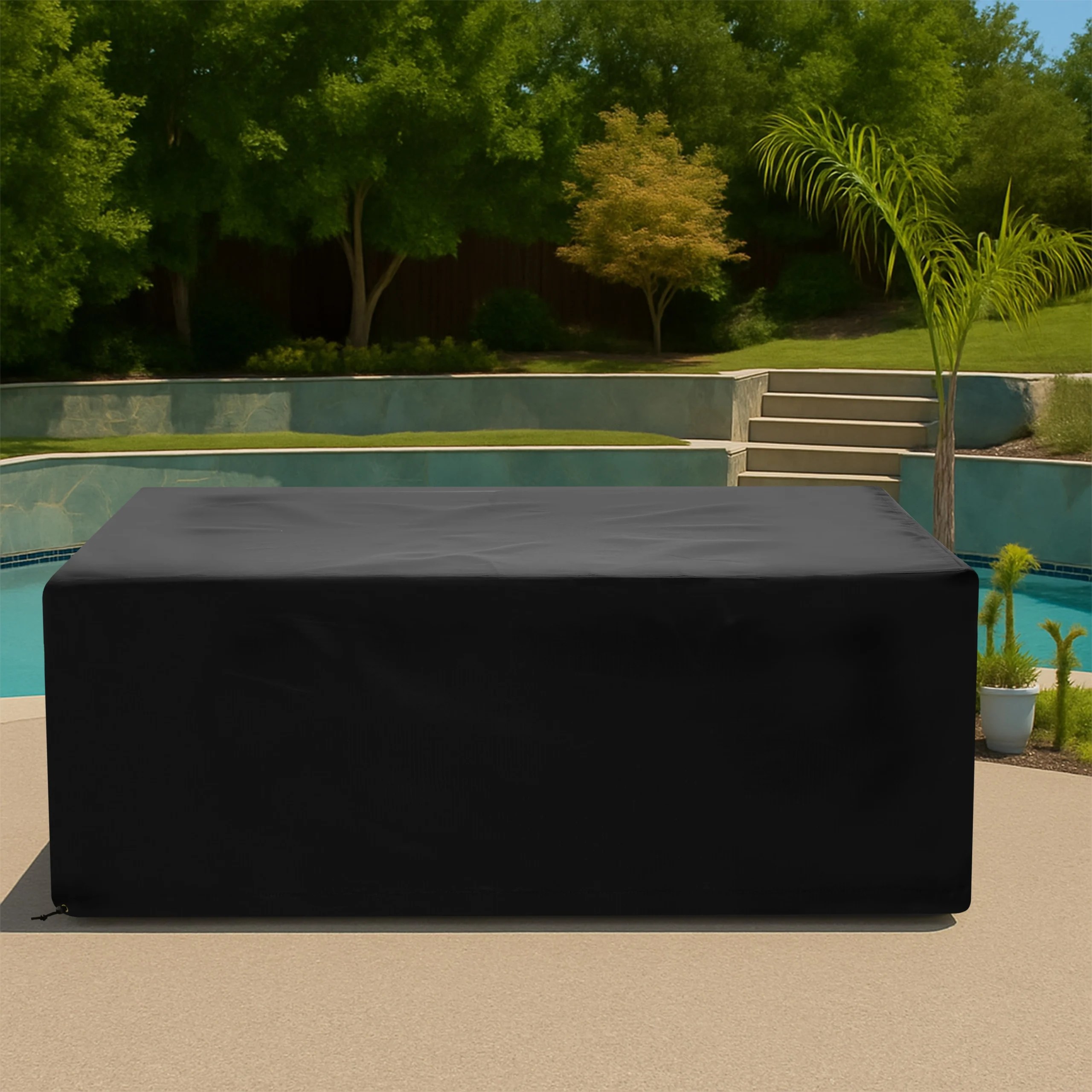




Patio Buffet Cabinet Covers: Plan Doors, Serving Tops, Shelves, and Casters

A mobile buffet cabinet changes shape as drop leaves, doors, [...]
A mobile buffet cabinet changes shape as drop leaves, doors, drawers, sneeze guards, handles, and casters move between service and storage. A custom patio serving buffet cabinet cover should be measured around one defined closing configuration so staff can repeat it after every event without forcing fabric over protruding hardware.
Remove all food, beverages, ice, fuel, heat sources, utensils, linens, and disposable items first. Clean and dry every surface according to the equipment instructions. A fitted cover is for a cold, empty, stable cabinet in storage—not for active food service or overnight storage of perishables.

Choose One Closing Configuration
Decide whether side leaves fold down, guard panels detach, shelves retract, and doors lock before covering. Photograph the final arrangement and make it the operating standard. Measurements taken across a partly deployed cabinet create uncertainty and can leave staff improvising during a busy close.
Measure the Serving Top and Body Separately
Start with How to Measure, recording maximum top length, width, corner radius, and thickness. Then measure the cabinet body, toe kick, end panels, and overall height. Include raised rims, backsplash pieces, handles, and any trim that extends beyond the main box.
Map Doors, Drawers, and Lock Hardware
Record every handle projection, hinge barrel, latch, key cylinder, and door stop. Decide whether a locked compartment must be checked while the cover is installed. If access is operationally necessary, identify one controlled flap or zipper rather than leaving the whole cover loose.
Include Casters and Foot Brakes
Measure wheel diameter, swivel sweep, brake levers, and the cabinet footprint with casters in the normal parked direction. Lock the brakes before measuring. Keep hems and straps clear of wheels so the cabinet cannot roll onto fabric or hide an unlocked caster.
Protect Utilities Without Enclosing Hazards
Document power cords, plugs, water lines, drains, propane components, warming equipment, and refrigeration vents. Disconnect, cool, drain, or store them only as the manufacturer directs. Do not cover equipment that must remain energized or ventilated, and never treat a fabric opening as code approval.
Create Drainage Across the Serving Top
Wide counters collect water if the surface is flat or slightly dished. Describe the real top slope and whether a broad, smooth support is permitted after service. Keep fabric away from delicate guards, faucets, lamps, or signage that cannot carry weight.
Select Fabric for Hospitality Handling
Compare UV performance, water behavior, abrasion resistance, cleaning guidance, and handling weight on Our Fabrics. Frequent-use covers benefit from labeled ends, reinforced handles, and material that trained staff can lift without dragging across the cleaned counter or floor.
Place Retention Away From Guest Paths
Use approved rigid lower-frame points and keep buckles, cords, and loose strap tails out of circulation routes. Secure opposite ends evenly after the cabinet reaches its final parking place. A cover does not secure a mobile cabinet against wind; follow the venue’s relocation plan.
Write a Food-Safe Closing Sequence
A practical checklist is: remove service items, discard or refrigerate food, switch off equipment, cool fully, disconnect as directed, drain, clean, sanitize, dry, fold components, park, lock casters, inspect, cover, and secure. Opening should reverse the process with a complete equipment inspection.
Prepare a Commercial Measurement Brief
Send storage configuration, dimensions, moving parts, hardware, caster plan, utility connections, vents, hem, securement, exposure, daily workflow, and labeled photos. Review the Patio Serving Buffet Cabinet Cover or contact Business Inquiries for venue programs.
Frequently Asked Questions
Can food remain in the cabinet under the cover?
No. Remove and store food according to applicable food-safety procedures before cleaning, drying, and covering the empty cabinet.
Should caster wheels be included in the height?
Measure from the supporting surface to the top in the parked configuration, and document wheel size, brake levers, and desired hem clearance.
Can warming or refrigeration equipment operate while covered?
Do not operate equipment under the cover unless its manufacturer explicitly approves that exact use and required ventilation remains fully available.
Turn the Measurements Into a Cover Brief
The best buffet-cabinet pattern starts with a disciplined closing routine. When moving parts, utilities, casters, hygiene, and staff handling are defined together, CoversForge can evaluate a cover that supports orderly storage after service. Request a Quote when the details and photos are ready.
Share This Article

Written by : CoversForge
Follow Us
Latest Articles
September 7, 2026
September 7, 2026