 Business


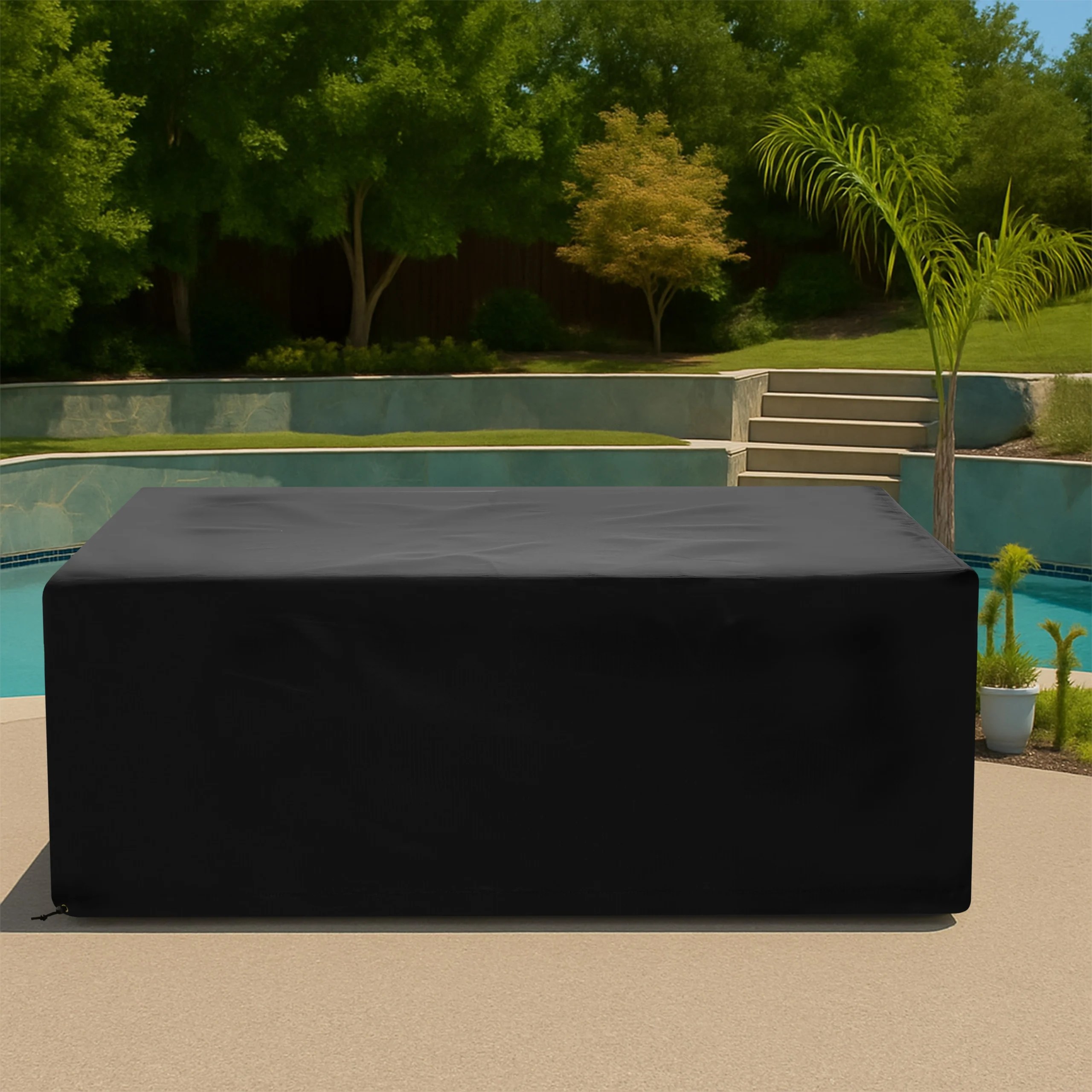



Armor-Top Outdoor Air Conditioner Covers: Protect the Top Without Blocking Airflow

Leaves, seed pods, hail, and winter debris usually strike an [...]
Leaves, seed pods, hail, and winter debris usually strike an outdoor condenser from above, but completely sealing the cabinet can trap moisture or conflict with the equipment maker’s instructions. A custom armor-top outdoor air conditioner cover focuses protection on the upper profile while respecting the clearances and seasonal procedures required for the specific unit.
Confirm the HVAC manufacturer permits a cover before measuring. Switch the system off using the approved procedure and never cover a running condenser, heat pump, warm component, service operation, or equipment that requires year-round airflow. Manufacturer guidance and local codes always control.

Identify a Condenser or Heat Pump First
Photograph the model label and confirm the equipment type with a qualified technician. A cooling-only condenser may have a defined off-season, while a heat pump can operate during cold weather. An armor-top concept must never be treated as permission to cover equipment that may start automatically.
Measure the Cabinet, Not the Concrete Pad
Using How to Measure as a baseline, record cabinet width, depth, and height at the outer grille or guard. Measure the top separately, including rounded corners, fan guard height, raised screws, louvers, and any factory rain cap. Do not use the larger equipment pad as the cover size.
Map Refrigerant Lines and Electrical Conduit
Record where insulated lines, drain tubes, whip conduit, and control wires enter the cabinet. Note their height and projection without bending or moving them. A cover edge or strap must not press on insulation, fittings, electrical conduit, the disconnect box, or service valves.
Preserve Required Airflow and Drainage
An armor-top layout should leave the manufacturer-required openings and lower clearances unobstructed. Do not wrap vents simply to make the cover look tighter. Keep weep paths, the pad edge, and the space between the cabinet and house clear so condensation and rainwater can move away.
Plan the Top Against Debris, Not Operation
Describe the debris problem: falling leaves, acorns, light branches, snow, or sun exposure. The protective top should shed material without contacting a fan assembly or creating a water pocket. Remove accumulated snow and debris according to equipment guidance; the cover is not a structural roof.
Choose Fabric for Seasonal Exposure
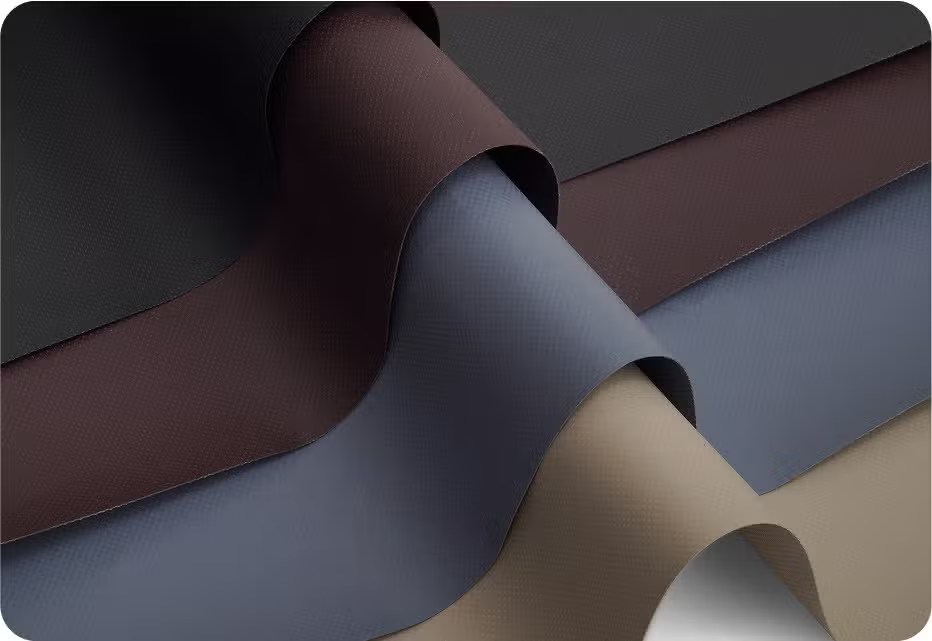
Review UV stability, water performance, abrasion resistance, flexibility, and cleaning guidance on Our Fabrics. A smooth interior and reinforced upper corners can help around cabinet edges, while a manageable fabric weight makes seasonal removal and dry storage easier.
Keep Service Areas Immediately Accessible
Mark the electrical disconnect, model label, access panels, coil guards, and required technician clearances. Do not route a buckle across a service door or hide safety labels that must be read before work begins. Remove the entire cover before inspection, cleaning, testing, or restart.
Set a Visible Seasonal Reminder
Use a durable tag or household maintenance record that says the equipment is covered and must be uncovered before operation. Anyone controlling the thermostat should know the cover is installed. This is especially important at second homes, rentals, and facilities where different people manage landscaping and HVAC service.
Clean and Dry Before Storage
After shutdown, follow the maker’s cleaning instructions and let the cabinet dry. Clear leaves around the pad, inspect line insulation, and check for nests or damage without opening restricted electrical areas. Store the removed cover dry and away from sharp tools during the operating season.
Send a Unit-Specific Measurement Package
Provide equipment type, model, approved covering instructions, cabinet and top dimensions, line locations, wall clearance, pad height, service zones, debris exposure, and clear photos. Review the Armor-Top Outdoor Air Conditioner Cover before submitting the final brief.
Frequently Asked Questions
Can an outdoor AC run with an armor-top cover installed?
Only if the equipment manufacturer explicitly permits that exact configuration. The safest default is to remove the cover completely before operation.
Is this cover suitable for a heat pump?
Heat pumps may run in winter, so verify the model’s operating and covering instructions with a qualified HVAC professional first.
Should refrigerant lines sit under a tight hem?
No. Show every line and conduit entry so the edge and retention hardware can be kept clear.
Turn the Measurements Into a Cover Brief
Armor-top protection works only when equipment identity, shutdown rules, airflow, lines, and service access are treated as design inputs. A careful brief helps CoversForge protect the exposed upper profile without implying that an operating unit can be enclosed. Request a Quote when the details and photos are ready.
Share This Article

Written by : CoversForge
Follow Us
Latest Articles
September 7, 2026
September 7, 2026