 Business


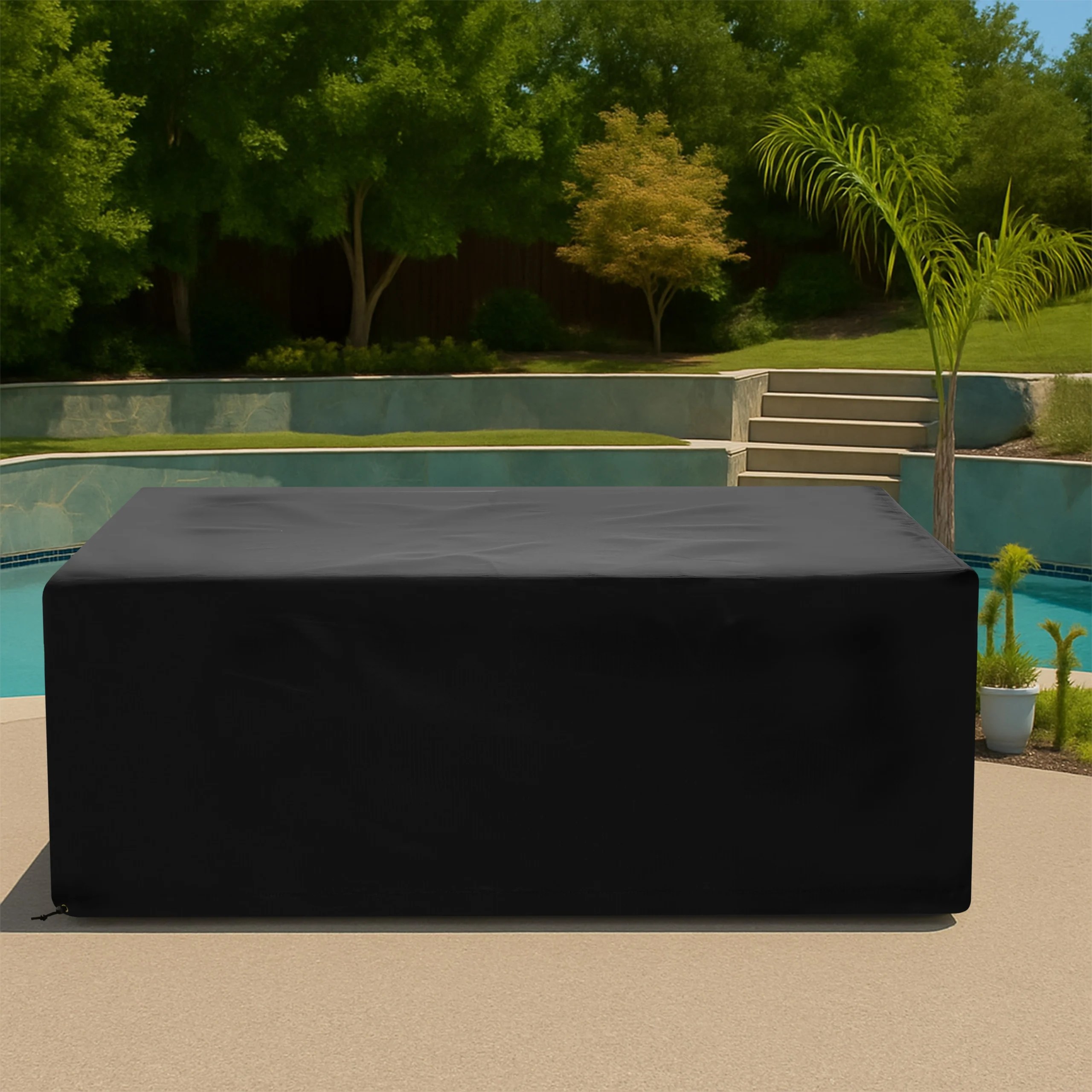




Storage Bench and Planter Covers: Separate Cushions, Soil, Lids, and Drainage

A patio storage bench with an attached planter combines dry [...]
A patio storage bench with an attached planter combines dry storage, moving lids, seating surfaces, soil, irrigation, and live plants in one footprint. Those parts need different moisture conditions. A custom patio cushion storage bench with planter cover should be planned around the off-season configuration without sealing wet soil against stored cushions.
Do not cover live plants, damp cushions, active irrigation, or a freshly watered planter unless a qualified horticultural plan specifically supports that setup. Empty or isolate planter sections as appropriate, keep drains open, and follow the bench and planter manufacturers’ care instructions.

Choose a Seasonal Storage Plan Before Measuring
Decide whether plants are removed, planter inserts are lifted out, soil remains, cushions stay inside the bench, and decorative backrests remain attached. The safest cover specification begins with one documented off-season state rather than trying to accommodate both active planting and sealed storage.
Separate Dry Cushion Storage From the Planter Zone
Inspect the bench compartment for gaskets, vents, drain paths, and moisture transfer from adjacent planters. Store only clean, fully dry cushions where the furniture maker permits. If soil or irrigation can wet the compartment, move textiles indoors instead of relying on the outer cover to create a dry enclosure.
Measure the Bench Body and Closed Lid
Use How to Measure and record overall bench width, depth, height, seat or lid thickness, hinge projection, handles, backrest, arms, feet, and base clearance. Measure the lid fully closed and latched. Note whether the cover must come off completely before the lid can open.
Map Every Planter Box and Insert
Record planter length, width, depth, rim thickness, corner shape, and its offset from the bench. Note removable liners, trellises, irrigation fittings, and drainage outlets. Measure only the off-season profile; do not compress soil or bend plant supports to reduce the envelope.
Protect Drainage and Avoid Ground Contact
Keep planter weep holes, bench drains, and deck drainage paths unobstructed. Set the textile hem above soil, mulch, wet paving, and standing water. If planters remain filled, confirm that water can leave without running into the cushion compartment or saturating the cover edge.
Clean and Dry the Furniture Thoroughly
Remove leaves, potting mix, fertilizer residue, pollen, food, and insect debris. Let the bench interior, lid channels, hinges, planter rims, liners, and cover dry. Trapped organic material and moisture can create odors, staining, corrosion, or biological growth regardless of fabric quality.
Choose Fabric for Soil, Sun, and Abrasion
Compare water behavior, UV performance, abrasion resistance, flexibility, and finished weight on Our Fabrics. Browse Patio Furniture Covers. Reinforcement may help at lid corners and planter rims, while a manageable weight helps users lift the cover without sweeping soil across its interior.
Plan Retention Away From Plants and Hinges
Use stable, approved frame or leg points and keep straps clear of drain outlets, lid hinges, and walking routes. Do not cinch around flexible planter liners or growing stems. Severe-weather security depends on the furniture, surface, site plan, and approved anchoring—not the textile alone.
Create Separate In-Season and Off-Season Routines
During the growing season, leave plants uncovered and use the furniture as designed. For off-season storage, remove plants or prepare planters, clean and dry the bench, position inserts, store cushions according to guidance, fit the cover, and inspect periodically for moisture and pests.
Prepare a Bench-and-Planter Fit Package
Provide the chosen seasonal state, bench and lid dimensions, planter locations, liners, soil plan, drainage, hinges, handles, backrest, cushion storage decision, hem height, exposure, securement points, and labeled photos. Review the Storage Bench With Planter Cover or Request a Quote.
Frequently Asked Questions
Can living plants remain under the cover?
Generally no. Plants need light, air, and appropriate moisture; follow a qualified horticultural plan instead of enclosing them for storage.
Can damp cushions be stored inside the bench?
No. Clean and fully dry cushions first, and use the compartment only when the furniture maker permits dry cushion storage.
Should planter drainage holes be covered?
No. Keep designed drainage paths open and set the hem so runoff can leave the planter and surrounding surface.
Turn Measurements Into a Clear Cover Brief
A dependable made-to-measure cover starts with one repeatable storage configuration, complete dimensions, labeled photos, safe-use limits, and the right handling plan. CoversForge can review fit, fabric, access, drainage, securement, and project quantities for the documented application. Request a Quote when the specification is ready.
Share This Article

Written by : CoversForge
Follow Us
Latest Articles
September 9, 2026
September 9, 2026