 Business


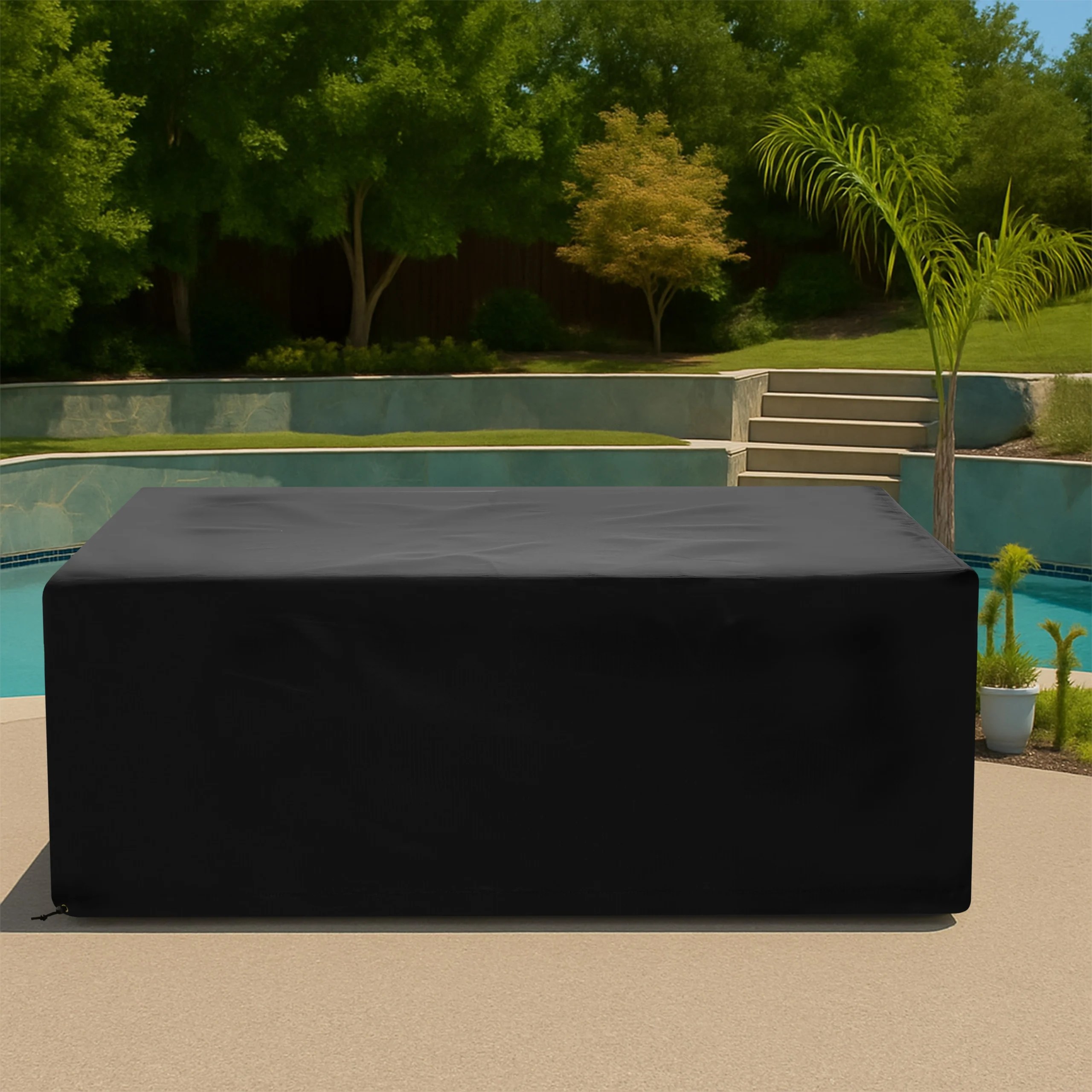




Snow Cone Machine Covers: Protect Hoppers, Chutes, Panels, and Cart Setups

A snow cone machine may look boxy, yet the ice [...]
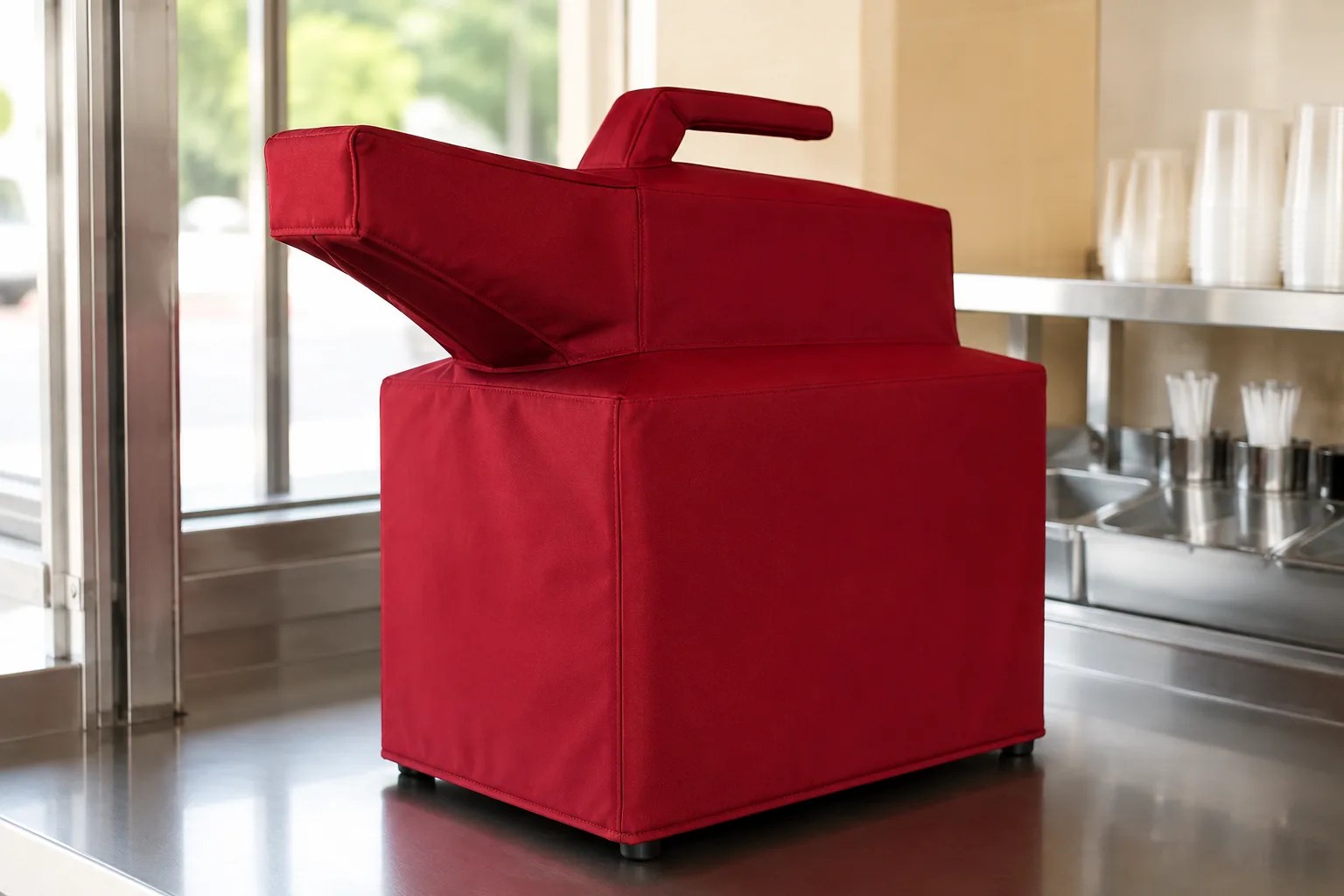
A snow cone machine may look boxy, yet the ice hopper, pusher handle, shaving chute, acrylic or glass panels, control switch, vents, drain pan, cord, feet, and optional rolling cart all shape the stored envelope. A custom snow cone machine cover should fit the cleaned, unplugged, completely dry machine in one documented storage setup.
The cover is for storage protection only. Never operate, sanitize, drain, plug in, or move the machine while covered. Follow the food-equipment manual and local hygiene rules, remove ice and syrup residue, and keep the textile away from food-contact surfaces until cleaning and drying are complete.
Define Machine-Only or Cart-and-Machine Coverage
Choose whether the cover encloses only the countertop appliance or the complete concession cart. A group cover must include counter overhangs, wheels, shelves, handles, and stored accessories, while a machine-only cover needs a clean dry counter underneath. Do not switch between setups after measuring.
Measure the Main Cabinet and Panel Frame
Use How to Measure and record maximum width, depth, and height across the base, frame, door hinges, corner posts, and top. Acrylic and glass panels should not carry tension. Add clearance around knobs, latches, trim, and any panel that sits proud of the cabinet.
Map the Hopper, Pusher, and Shaving Chute
Record hopper diameter, lid height, handle position, pusher projection, chute location, and drip tray. Place every removable part in its approved storage position. The cover should bridge controls and thin plastic details rather than pull them sideways or conceal a part that staff must remove before cleaning.
Finish Food-Safe Cleaning Before Covering
Discard ice, empty the drain pan, remove syrup, and clean food-contact parts according to the manufacturer and health code. Let the hopper, chute, drain hose, seams, panels, and cart surface dry completely. A water-resistant cover cannot correct trapped food residue or moisture.
Keep Vents, Motors, and Electrical Parts Dry
Locate intakes, exhausts, motors, switches, plugs, and cord storage. Unplug the unit and allow it to cool before fitting. Do not cover during charging, drying cycles, or powered diagnostics. Keep the hem above wet floors and never route a connected cord beneath the textile.
Protect Clear Panels and Finished Surfaces
Use a clean cover interior and enough ease to avoid dragging grit over acrylic, glass, paint, decals, or stainless steel. Record sharp frame corners and reinforcement zones. Remove menu cards, magnetic signs, and loose utensils unless the specification intentionally includes a dedicated, stable storage pocket.
Account for Cart Doors, Shelves, and Casters
For a cart setup, measure side-shelf positions, door handles, tow bars, caster spread, brake levers, and the widest base. Lock wheels on a level approved surface. The cover must come off before transport; pulling fabric around a loaded cart can damage panels and create a tip or trip hazard.
Select Fabric for Concession Operations
Compare abrasion resistance, flexibility, UV performance, water behavior, and handling weight on Our Fabrics. Browse Equipment Covers. Event teams benefit from a washable exterior, clear orientation marking, and reinforced contact points, while maintaining separate hygienic procedures for the appliance itself.
Create a Closing and Reopening Checklist
At closing, unplug, empty, clean, dry, inspect, orient the cover, and secure approved points. At reopening, remove and store the cover away from food preparation, inspect panels and electrical parts, sanitize as required, unlock the cart, and confirm the service area is dry and clear.
Prepare a Concession-Ready Fit Package
Provide make and model, machine-only or cart setup, cabinet and hopper dimensions, pusher position, chute and drain details, panel material, vents, cord storage, cart geometry, wheels, exposure, quantity, and labeled photos. Review the Snow Cone Machine Cover or use Business Inquiries for fleets.
Frequently Asked Questions
Can the machine be covered after a quick rinse?
No. Complete the approved cleaning process and let the machine, drain path, and cover dry fully before storage.
Should the cart and appliance share one cover?
Only when their exact stored arrangement is stable, measured together, and practical for staff to uncover safely.
Can the machine stay plugged in under the cover?
No. Unplug it and follow the manufacturer’s shutdown and storage instructions before fitting the cover.
Turn Measurements Into a Clear Cover Brief
A dependable made-to-measure cover begins with the real storage configuration, safe-use limits, complete dimensions, and labeled photos. CoversForge can review fit, fabric, access, handling, and quantities for the documented application. Request a Quote when the specification is ready.
Share This Article

Written by : CoversForge
Follow Us
Latest Articles
September 9, 2026
September 9, 2026