 Business





Pitching Machine Covers: Measure Wheels, Feeders, Controls, and Transport Frames

Pitching machines have high, narrow silhouettes with projecting throwing wheels, [...]
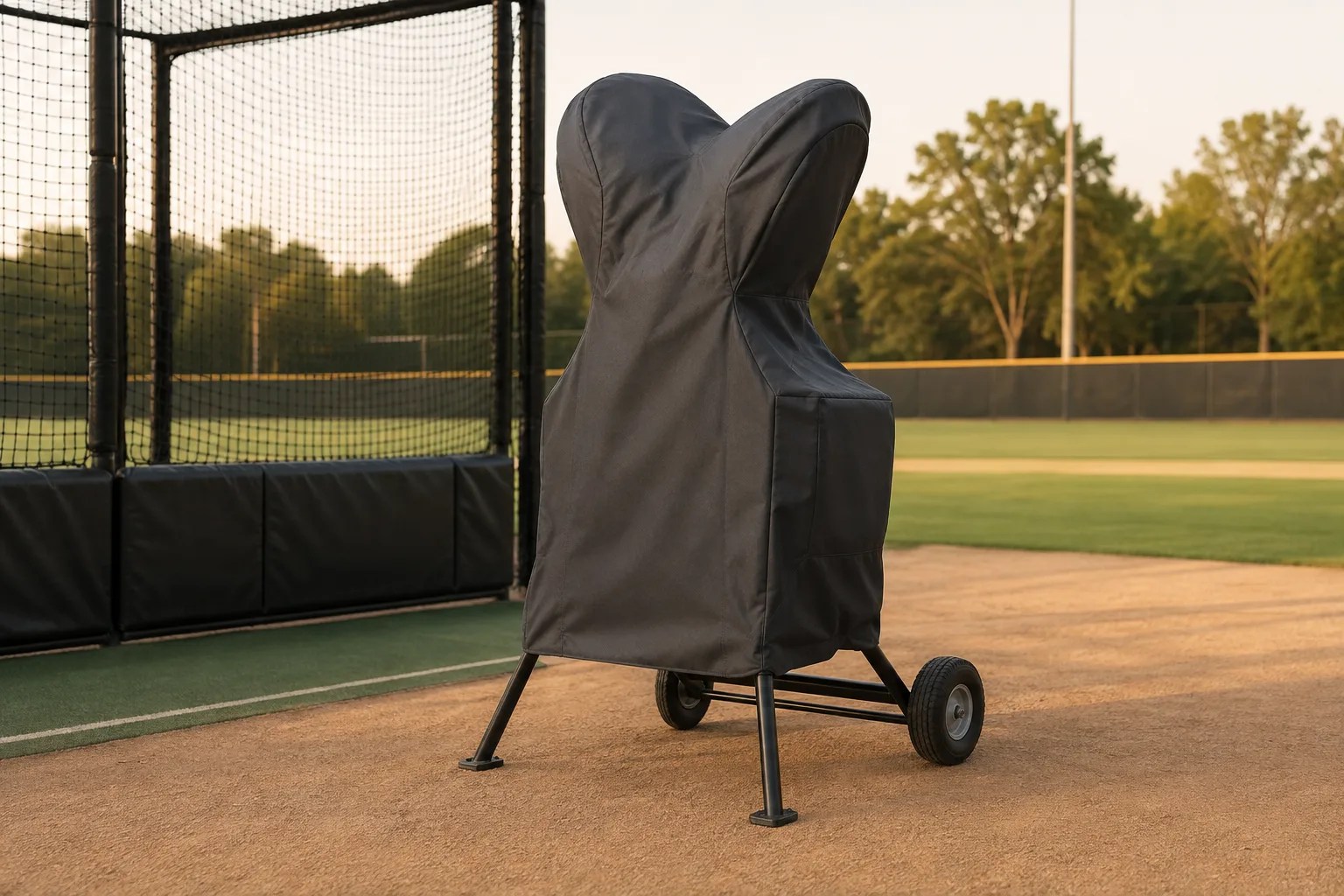
Pitching machines have high, narrow silhouettes with projecting throwing wheels, ball feeders, control boxes, support legs, transport tires, and electrical or battery components. A custom pitching machine cover should match the manufacturer-approved storage position after the machine is powered down, disconnected, cool, clean, and stable.
Never operate, test, adjust, charge, or move a machine while it is covered. A textile cover is not a guard against rotating wheels, thrown balls, electricity, tip-over, or unauthorized use. Follow the equipment manual, field rules, lockout procedures, and adult supervision requirements at all times.
Define the Safe Stored State
Turn the machine off, disconnect external power, remove balls, and wait for all wheels to stop. Handle batteries and chargers according to the manufacturer. Set speed and angle controls to the approved storage position, engage brakes or locks, and restrict access before anyone measures or fits the cover.
Measure the Throwing Head at Maximum Width
Use How to Measure and record the outer wheel-to-wheel width, guard depth, motor housing, adjustment knobs, and head height. Measure around rigid guards rather than flexible cables. Note any asymmetric motor, handle, or chute that shifts the true centerline.
Map Feeders, Hoppers, and Ball Chutes
Record feeder height, bowl or hopper diameter, chute angle, brackets, and detachable components. If the feeder is removed for storage, document that as a mandatory step. Do not let a fitted panel rest on a lightweight tray or sensor; bridge fragile projections with intentional clearance.
Capture Legs, Bases, and Transport Wheels
Measure leg spread at the head, midpoints, and ground; include cross braces, axle ends, tires, brakes, and leveling feet. Tripod and wheeled frames can rack on uneven ground, so use a firm level measuring area. Mark the exact stance that staff will reproduce before every installation.
Protect Controls Without Trapping Heat
Locate switches, dials, displays, ports, vents, motors, and battery compartments. The machine must be off and cool before covering, and required ventilation must remain unobstructed during charging or diagnostics. A vented fabric does not authorize covered operation or eliminate condensation checks.
Route Cords and Accessories Separately
Disconnect extension cords, remote controls, pedals, radar devices, and loose training aids unless the approved package intentionally includes them. Coil cords using the maker’s guidance and store them where they cannot load a plug or create a lump against the cover. Never conceal a live connection under fabric.
Select Fabric for Dust, Sun, and Field Handling
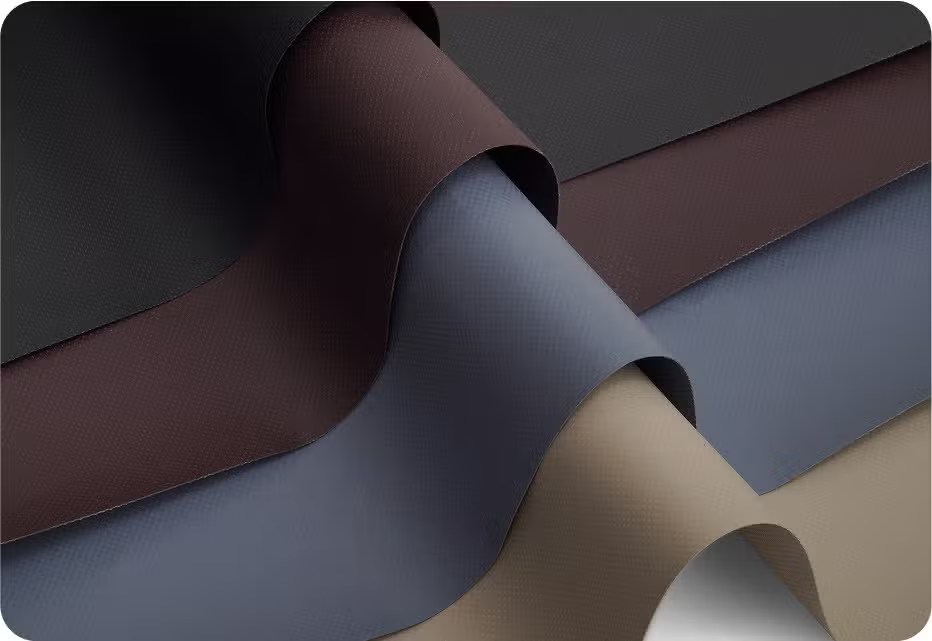
Compare abrasion resistance, UV performance, water behavior, flexibility, and handling weight on Our Fabrics. Browse related Equipment Covers. Reinforcement may help at guard corners and axle ends, but correct storage and a clean machine remain the first defense against wear.
Plan Retention Without Creating a Hazard
Use only approved frame points away from rotating parts, power connections, pinch zones, and walking paths. Securement should limit loose fabric without pulling the machine out of level. Remove the cover and relocate equipment before severe weather according to field policy; do not rely on straps to prevent tip-over.
Inspect Before Every Practice
Remove and store the cover before players enter the throwing zone. Inspect wheels, guards, bolts, feeder, frame, cords, controls, brakes, and ground. Look inside the cover for moisture, pests, grit, and damaged seams. Qualified staff should resolve mechanical or electrical faults before the machine returns to service.
Prepare a Machine-Specific Fit Package
Provide make and model, power type, stored head angle, wheel and guard dimensions, feeder plan, control and vent locations, leg stance, tires, cord storage, exposure, securement points, and labeled photos. Review the Pitching Machine Cover or Request a Quote.
Frequently Asked Questions
Can the pitching machine run while covered?
No. Remove the cover completely before power, charging, testing, adjustment, or operation.
Should the ball feeder stay installed for measurement?
Only if it is manufacturer-approved for storage and will remain in the same position every time; otherwise measure the machine without it.
Can a cover keep the machine from tipping in wind?
No. Stability depends on the equipment, surface, approved securement, and storage policy; relocate it when conditions require.
Turn Measurements Into a Clear Cover Brief
A dependable made-to-measure cover begins with the real storage configuration, safe-use limits, complete dimensions, and labeled photos. CoversForge can review fit, fabric, access, handling, and quantities for the documented application. Request a Quote when the specification is ready.
Share This Article

Written by : CoversForge
Follow Us
Latest Articles
September 9, 2026
September 9, 2026