 Business





Garden Statue Covers: Plan for Irregular Shapes, Bases, Details, and Winter Storage

Garden sculpture can combine a heavy base with narrow necks, [...]
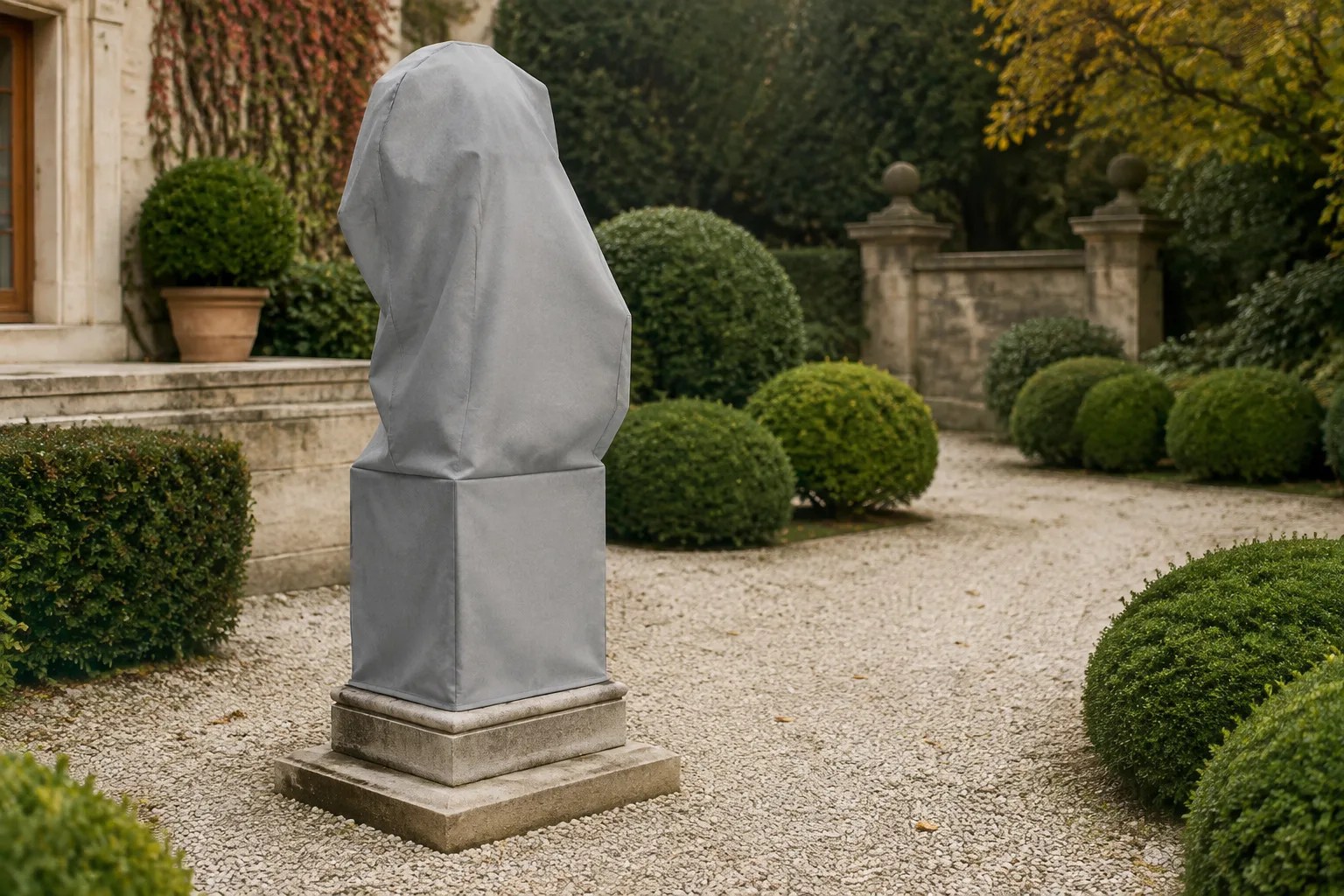
Garden sculpture can combine a heavy base with narrow necks, projecting arms, wings, tools, scrollwork, or delicate surface details. A custom garden statue cover should be planned from the real silhouette, material condition, pedestal, anchoring, and winter environment rather than from height alone.
A cover cannot stabilize a loose sculpture, repair cracks, stop internal freeze-thaw damage, or guarantee suitability for every stone, metal, resin, ceramic, or painted finish. Follow the artist, conservator, or manufacturer’s care guidance, and resolve structural or surface problems before covering.
Identify the Material and Condition First
Document whether the piece is stone, cast concrete, bronze, steel, resin, ceramic, wood, painted composite, or a mixed construction. Inspect for cracks, spalling, corrosion, flaking paint, loose joints, biological growth, and prior repairs. Fragile or valuable work may need conservator advice before any textile touches it.
Measure the Base and Pedestal Separately
Use How to Measure to record base width, depth, height, corner profile, plinth steps, pedestal dimensions, and the joint between them. Confirm which parts are included under the cover. Keep the hem clear of soil and standing water, and do not interfere with drainage or anchors.
Map the Widest Irregular Projections
Measure maximum width and depth at several labeled heights, not only at the ground and top. Note arms, wings, antlers, tools, bowls, scrolls, and undercuts. Add front, side, and top-view sketches with fixed datums. A shaped allowance should bridge delicate points instead of gripping them.
Create Stand-Off Clearance for Fragile Details
Identify surfaces that must not carry textile pressure. Smooth, inert stand-off structures may be appropriate only when approved for the object and securely installed without rubbing or trapping moisture. Do not improvise with sharp wire, untreated wood, adhesive, or foam that could stain or react with the artwork.
Manage Moisture and Freeze-Thaw Risk
Begin with a clean, dry object and check whether the material requires seasonal drying or a breathable shelter. Prevent the hem from sealing against wet ground. Inspect after rain, snow, and temperature swings. Moisture entering porous material can freeze and expand even when the outer surface is covered.
Account for Wind and Pedestal Stability
Confirm the sculpture and pedestal are structurally sound and anchored as designed. Use only approved securement points that do not load decorative parts, grout joints, railings, or landscaping. A close fit can reduce flapping, but a cover adds wind area and cannot make an unstable statue safe.
Choose Fabric and Interior Contact Carefully
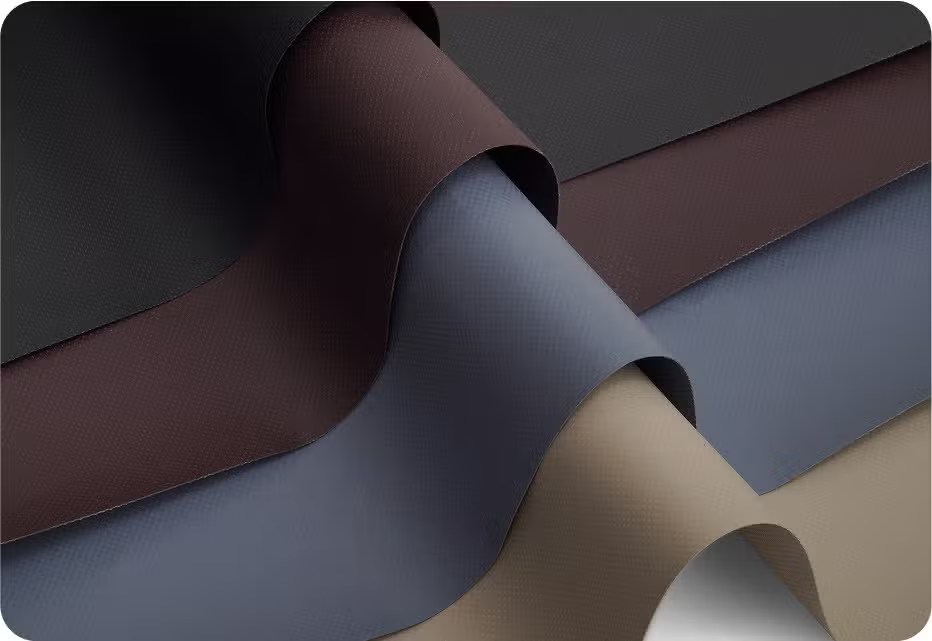
Compare UV resistance, water behavior, abrasion performance, flexibility, and weight on Our Fabrics. Browse Custom Covers. Smooth finishes need clean contact surfaces and generous clearance; rough masonry may require reinforcement while still allowing inspection and drying.
Plan a Two-Person Installation
For tall or delicate pieces, use trained adults and approved access equipment. Orient the cover before lifting, lower it without dragging across projections, and close fasteners gradually. Never climb the statue, lean ladders on it, or use the cover to pull, lift, or reposition the artwork.
Inspect Throughout the Storage Season
Check the cover, interior, hem, seams, closures, pedestal, anchors, finish, surrounding soil, and drainage at scheduled intervals and after severe weather. Remove leaves and snow using material-safe methods. Dry the cover before refitting and stop if abrasion, moisture, pests, or structural movement appears.
Prepare a Sculpture-Specific Fit Drawing
Provide material, condition notes, overall height, cross-sections at labeled elevations, base and pedestal details, fragile zones, approved stand-offs, anchors, hem height, exposure, access method, and photos. Review the Garden Statue Cover or use Request a Quote.
Frequently Asked Questions
Is one fabric suitable for every statue material?
No. Material, finish, condition, moisture behavior, contact sensitivity, and exposure all influence the specification.
Should the cover fit tightly around arms or wings?
No. Fragile projections need deliberate clearance so the textile does not grip, bend, or abrade them.
Can the cover replace winter conservation work?
No. Structural repairs, surface treatment, drying, anchoring, and conservation decisions must be handled separately.
Turn Measurements Into a Clear Cover Brief
A dependable made-to-measure cover begins with the real storage configuration, safe-use limits, complete dimensions, and labeled photos. CoversForge can review fit, fabric, access, handling, and quantities for the documented application. Request a Quote when the specification is ready.
Share This Article

Written by : CoversForge
Follow Us
Latest Articles
September 9, 2026
September 9, 2026