 Business


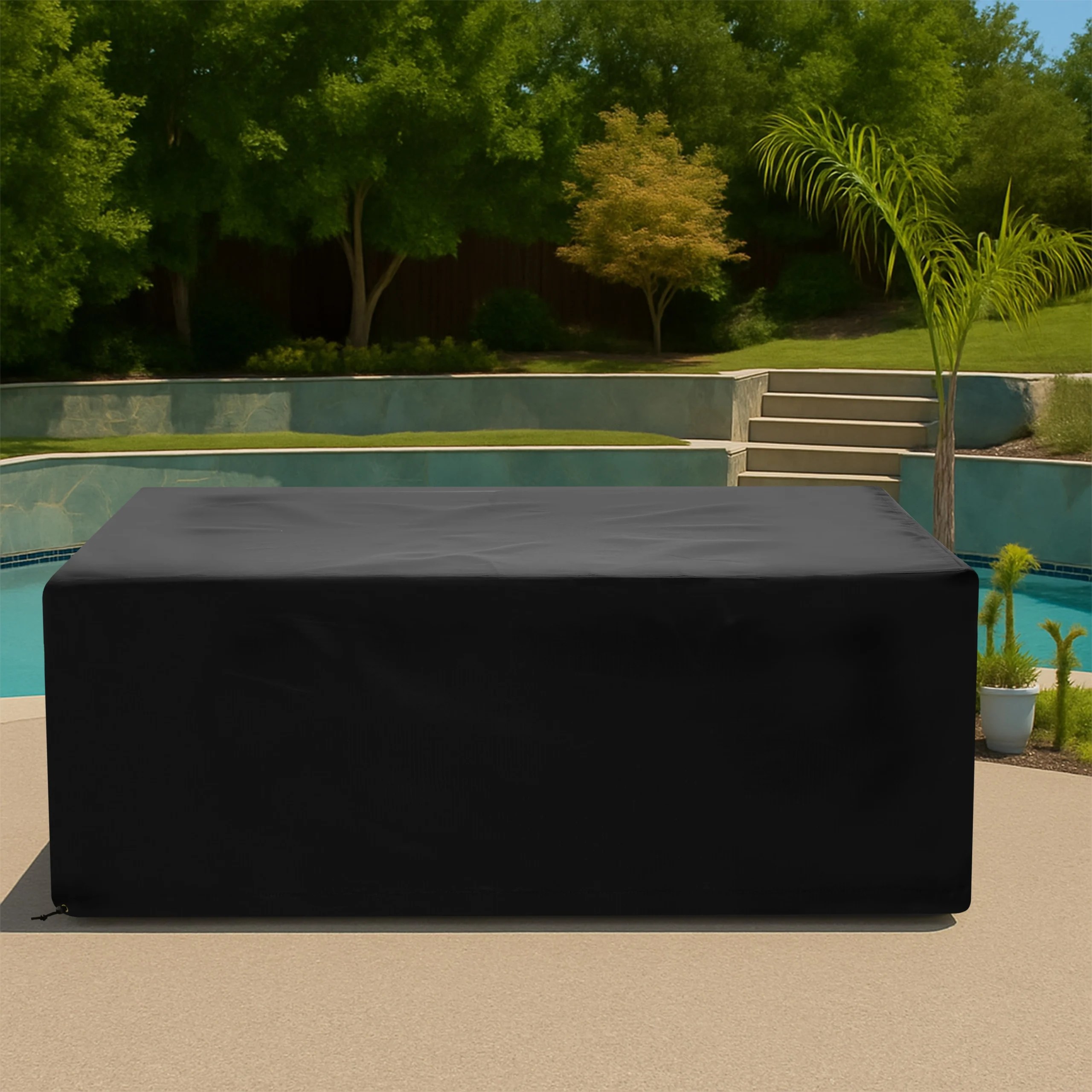




Pedestal EV Charger Covers: Plan for Cables, Bollards, Doors, and Ventilation

A freestanding EV charger has more geometry than its cabinet [...]
A freestanding EV charger has more geometry than its cabinet suggests. The display hood, connector holsters, coiled leads, side doors, ventilation paths, pedestal, base plate, and nearby bollards all change the stored outline. A custom pedestal EV charger cover should be built around the exact installed unit and a clearly defined powered-down condition.
This type of cover is for approved inactive storage or temporary protection only. It must never be installed while a vehicle is charging, while connectors are energized, or when the charger manufacturer requires unrestricted cooling or public access. Follow the charger maker, electrical authority, property operator, and accessibility rules before introducing any cover.

Define the Safe Covered Condition First
Document who is authorized to take the charger out of service, how power is isolated, how long the unit remains inactive, and which warning or lockout steps apply. Confirm that residual heat, moisture, and diagnostic cycles have cleared. A fitted textile is not an electrical enclosure, a lockout device, or a substitute for the equipment maker’s approved shutdown procedure.
Measure the Cabinet, Pedestal, and Base Plate
Use How to Measure and record maximum cabinet width, depth, height, corner radii, pedestal dimensions, mounting plate, anchor bolts, and the transition between cabinet and post. Measure from rigid outer points without pressing on screens or trim. Add the lowest safe hem height so fabric stays clear of standing water and snow.
Map Connectors, Holsters, and Cable Loops
Record the number of connectors, holster positions, handle projections, lead diameter, cable-management arms, and the repeatable way the cable is stored. Do not force a charging lead into a tighter coil for the sake of a slim cover. The cable should remain supported by approved hardware, not by a fabric pocket or strap that can load the connector.
Keep Service Doors and Emergency Features Identifiable
Locate door hinges, latches, payment panels, emergency stops, labels, indicator areas, and technician access points. Decide whether the cover is removed completely for every inspection or needs a deliberately placed access flap. Do not obscure required safety markings during any condition in which the charger remains available to the public.
Respect Cooling, Drainage, and Condensation Limits
Identify all intakes, exhausts, louvers, drain paths, and warm components. A vented cover does not authorize covering operating electronics. Begin with a cool, dry unit and allow the enclosure to breathe according to manufacturer guidance. Set the hem above drainage channels, and inspect beneath the cover after rain, temperature swings, or long storage.
Account for Bollards and Site Clearances
Measure the charger separately from protective posts, curbs, wheel stops, canopy columns, and adjacent dispensers. A one-piece cover should not bridge to a bollard unless the specification intentionally includes it and does not create a trip or access hazard. Preserve pedestrian routes, accessible clear space, vehicle circulation, and the operator’s required working zone.
Choose Fabric for Exposure and Repeated Handling
Compare UV resistance, water behavior, abrasion performance, flexibility, and finished weight on Our Fabrics. Browse related Equipment Covers. Commercial teams often remove covers before opening hours, so manageable weight, labeled orientation, reinforced high-contact zones, and easy cleaning matter as much as weather resistance.
Build an Operator Inspection Routine
Before fitting, check the cabinet, connectors, leads, pedestal, base fasteners, drainage, ground surface, and cover interior. During storage, look for trapped moisture, pests, tampering, abrasion, blocked vents, displaced cables, and trip hazards. Remove the cover immediately if the unit restarts, displays heat, or requires service; only qualified personnel should address electrical faults.
Prepare a Charger-Specific Fit Package
Provide manufacturer and model, shutdown condition, cabinet and pedestal dimensions, connector layout, stored cable profile, door and vent locations, base plate, bollards, exposure, handling plan, quantity, and labeled photos. Review the Pedestal EV Charger Cover or use Business Inquiries for multi-site specifications.
Frequently Asked Questions
Can the charger operate while covered?
No. Remove the cover before charging or normal operation and follow the equipment manufacturer’s cooling and access requirements.
Should the cable be wrapped around the cover?
No. Store connectors and leads on approved charger hardware in a repeatable arrangement before measuring or covering.
Can one cover include the charger and bollards?
Only when the combined layout is intentionally measured and site safety, access, drainage, and handling have been reviewed.
Turn the Measurements Into a CoversForge Brief
Good cover specifications start with the real storage position, safe-use limits, complete measurements, and labeled photos. CoversForge can review fit, fabric, handling, access, and quantity for the documented application. Request a Quote when the brief is ready.
Share This Article

Written by : CoversForge
Follow Us
Latest Articles
September 9, 2026
September 9, 2026