 Business






Propane Tank Covers: Plan Ventilation, Valve Access, and Safe Clearance

Plan a custom propane tank cover with code-compliant ventilation, valve and label access, stable clearance, dry storage, secure hems, and safe handling.
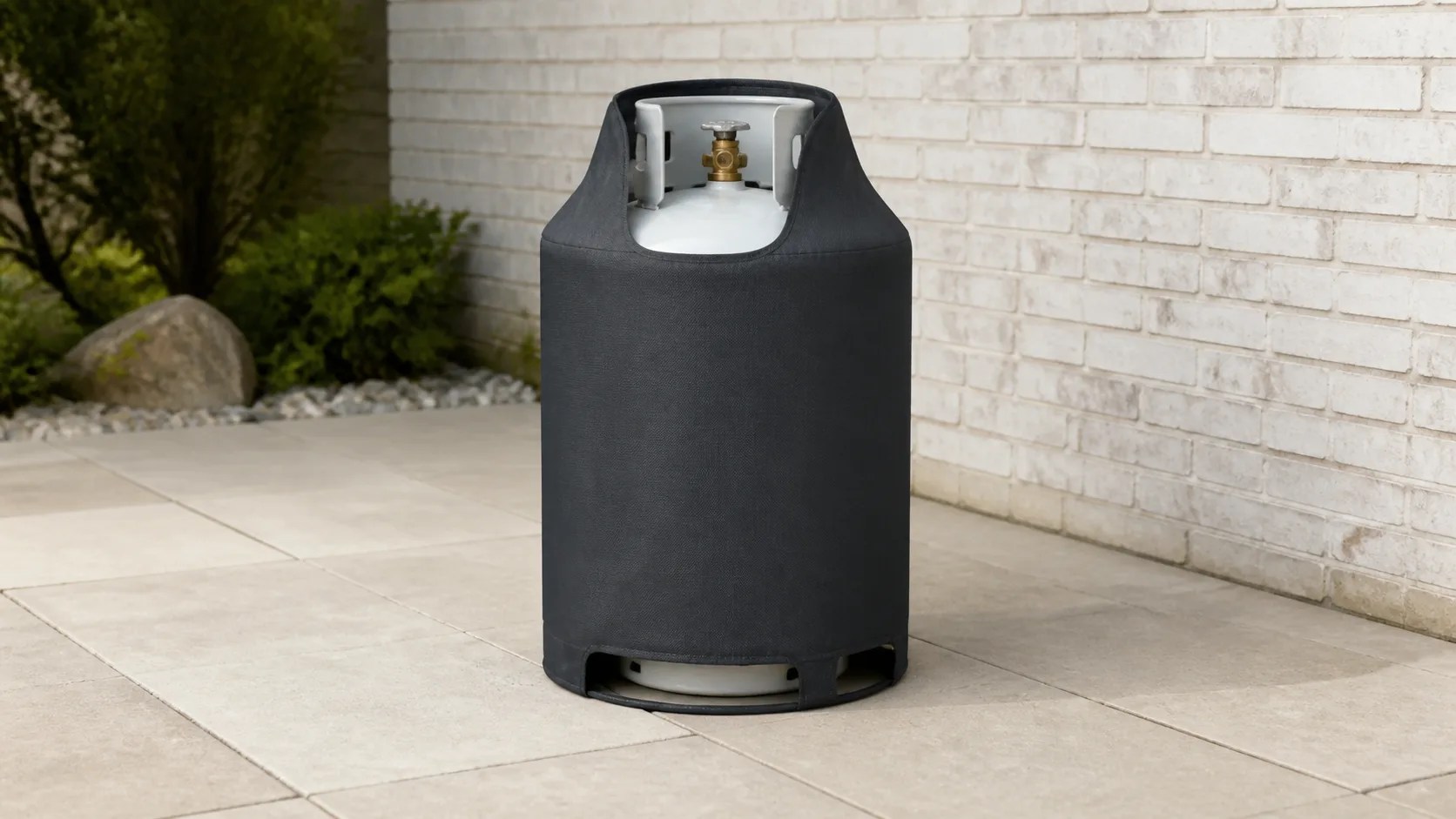
Propane cylinders and tanks require a different design mindset from furniture. Valves, relief devices, labels, connections, and required air movement must remain compatible with the appliance maker’s instructions and applicable fire code. A custom propane tank cover should be considered only after confirming that a cover is permitted for the exact container, location, and operating state.
Keep the container upright and outdoors where required, maintain mandated clearances, and never use fabric to hide damage, corrosion, odor, or a suspected leak. If gas is smelled or a problem is suspected, leave the area and follow the supplier’s emergency guidance. Never operate an appliance, exchange a cylinder, or service a valve while a cover is installed.
Confirm That Covering Is Permitted
Start with the propane supplier, appliance manual, local fire authority, and property rules. Some installations must remain fully exposed or use only a listed rigid enclosure. Record the container type, capacity, connection arrangement, and whether it is connected, disconnected, or reserved. A fabric cover must never override required ventilation, inspection, separation, labeling, or access provisions.
Measure the Fixed Cylinder Envelope
Only measure a stable container in its approved upright position. Using How to Measure, record maximum body diameter, total height, base ring, collar, handle openings, valve guard, regulator, hose direction, and any hard projection. Do not compress hoses or turn fittings merely to reduce the profile. Photograph the installation without exposing private serial information unnecessarily.
Keep Valves and Relief Devices Clear
Map the service valve, relief valve, gauge, regulator, connector, and shutoff access. The design must not press on a fitting or restrict a device intended to vent. Plan an opening only if it complies with manufacturer and code requirements. Never fasten a strap to a valve, hose, regulator, or protective collar, and never hang tools or accessories from the finished cover.
Preserve Required Ventilation
A tight, sealed bag is not an appropriate propane enclosure. Openings and clearances must allow any released gas to disperse as required, especially near the lower portion because propane vapor can collect in low areas. Do not add foam, insulation, or an inner liner without specific approval. Keep the container away from ignition sources, drains, pits, and enclosed spaces according to governing rules.
Retain Labels and Inspection Access
Safety labels, capacity markings, recertification information, and container condition must remain inspectable on the required schedule. Decide whether the cover will be removed for every inspection or include a compliant access flap. A flap should not snag a valve or invite operation through the fabric. Replace illegible labels through the supplier rather than copying unofficial instructions onto the cover.
Choose Materials for the Approved Setting
Review outdoor fabric characteristics on Our Fabrics, but treat that comparison as secondary to fire-code and supplier requirements. Browse Equipment Covers only after suitability is confirmed. Avoid presenting any fabric as fireproof or gas-tight. Color, UV resistance, and cleanability matter only when the installation remains safe and compliant.
Control Moisture Without Sealing the Tank
Keep the lower edge above standing water and avoid a top shape that funnels rain toward valves or connections. Install the cover only on a clean, dry exterior if allowed. Do not trap ice, salt, fertilizer, or corrosive residue against the steel. Periodically remove the cover in a safe condition and inspect for rust, abrasion, insects, and blocked ventilation openings.
Secure Without Touching Critical Hardware
If a permitted design needs wind control, place it around the stable body or approved base zone with conservative tension. Closures must not interfere with the cylinder support, regulator, hoses, exchange handle, or emergency access. Check the installation after severe weather. If the cover shifts toward a valve or blocks a required gap, remove it and revise the design before reuse.
Create a Written Inspection Routine
Keep a short site record showing who approved the covering method, when the container was last inspected, and the conditions that require immediate removal. Before each installation, check for odor, frost, corrosion, dents, loose fittings, damaged hoses, water accumulation, and blocked air paths without manipulating the valve unnecessarily. Confirm the cover is dry and that every required opening remains unobstructed. Schedule periodic uncovered reviews by qualified personnel rather than relying on appearance through a flap. Record weather damage and supplier service promptly so the next user can see the container’s current status. Train staff and household members not to operate through the cover, store objects on top, move the container by pulling fabric, or treat the textile as a protective barrier during an emergency.
Prepare a Compliance-First Request
Provide container type and capacity, manufacturer instructions, location photos, clearances, connection state, valve and label locations, ventilation requirements, permitted fastening zones, and approving authority guidance. Review the Custom Propane Tank Cover and use Request a Quote for a documented review. Commercial teams can coordinate specifications through Business Inquiries.
Frequently Asked Questions
Is a fitted propane tank cover always allowed?
No. Permission depends on the container, appliance instructions, supplier guidance, local fire code, ventilation, and location. Some installations must remain exposed or use only an approved rigid enclosure.
Should a propane cover close around the valve?
A cover must never press on, seal, or obstruct a valve, regulator, relief device, label, hose, or required inspection area. Confirm every opening with the responsible supplier or authority.
Can fabric make an indoor propane storage location safe?
No. A fabric cover cannot change where propane may be stored, create code-compliant ventilation, or make an enclosed location safe. Follow the supplier and governing rules for location and clearance.
Share This Article

Written by : CoversForge
Follow Us
Latest Articles
September 9, 2026
September 9, 2026