 Business


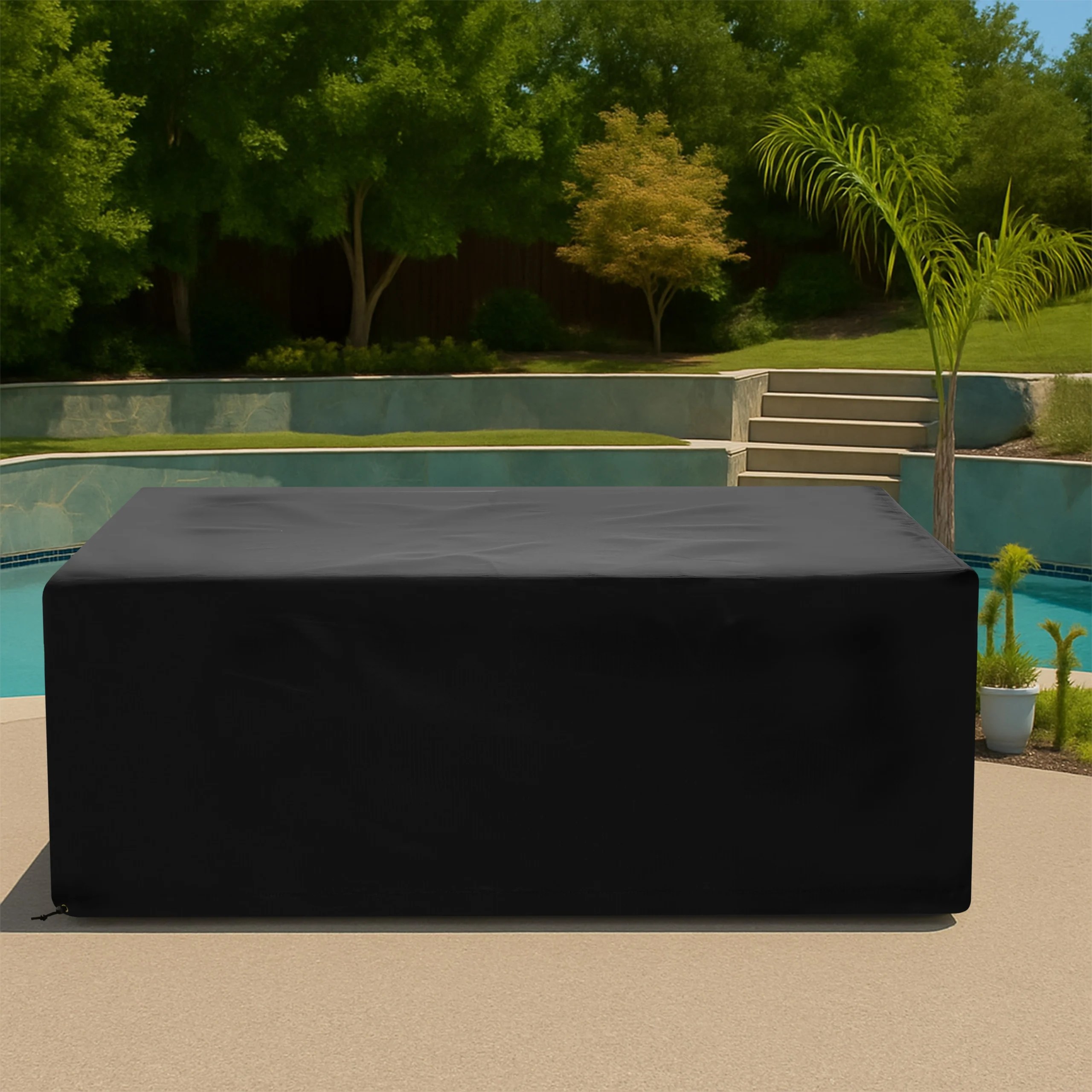




Garage Shelf Covers: Measure Bays, Casters, Loads, and Access

Measure a custom garage shelf cover around loaded bays, uprights, casters, wall anchors, access panels, airflow, floor clearance, and secure closure points.

Open garage shelving makes tools, seasonal supplies, and maintenance products easy to reach, but it also exposes them to dust, windblown grit, workshop overspray, and visual clutter. A custom garage shelf cover can create a cleaner storage zone when it is patterned around the rack’s actual loaded shape rather than the empty frame alone.
Start by deciding what will stay on the shelf, how often each bay must open, and whether the unit is fixed, mobile, or wall-anchored. A cover is not a substitute for safe shelving practice. Keep loads within the rack maker’s limits, store hazardous materials as their labels require, preserve fire and electrical clearances, and correct unstable or damaged shelving before measuring.
Define the Loaded Storage Envelope
Photograph the rack in its normal organized condition and identify anything that projects beyond the uprights. Record bins, tool cases, shelf lips, hooks, labels, power-tool handles, and overhanging stock. Remove temporary clutter rather than designing around it. The finished pattern should fit a repeatable arrangement, so mark the intended location of each oversize item and avoid relying on fabric tension to hold loose objects in place.
Measure Width, Depth, and Height by Zone
Use How to Measure to record maximum width across uprights, maximum depth from the wall side to the frontmost loaded item, and height from the top surface to the planned hem. Check each bay because lower shelves may be deeper or carry wheeled bins. Note cross braces and feet that widen the base even when the upper frame looks rectangular.
Account for Casters, Leveling Feet, and Anchors
If the shelf rolls, lock the casters in one approved parking orientation before measuring and record the widest wheel position. If it is anchored, do not hide loose fasteners, bowed uprights, or required inspection points. Keep the hem above the floor so it does not wick water, sweep up metal filings, or interfere with wheel brakes and leveling feet.
Choose Full-Front or Bay-by-Bay Access
A single front panel offers a clean appearance, while separate panels can reduce the amount of fabric handled for frequent access. Map zipper, flap, or roll-up locations away from sharp shelf corners and busy walkways. Openings should reveal labels and contents without requiring the user to reach behind a hanging panel. Never block emergency equipment, electrical panels, or code-required clearances.
Manage Dust Without Trapping Damp Air
A garage may experience condensation, wet vehicles, and rapid temperature changes. Install the cover only over dry shelving and dry contents. Plan conservative airflow near the lower edge or approved vents, especially around tools that were recently used outdoors. Do not cover charging batteries, hot equipment, wet chemicals, or any item whose manufacturer requires open ventilation.
Select Fabric for Workshop Handling
Compare abrasion resistance, cleanability, flexibility, water performance, and finished weight on Our Fabrics. Related solutions appear among Equipment Covers. A manageable fabric is useful for daily access; reinforcement can protect normal contact zones at shelf corners, but sharp burrs and damaged metal should be repaired first.
Place Closures on Stable Frame Members
Use fixed uprights or an approved lower frame as reference points. Do not wrap straps around cords, gas lines, sprinkler piping, shelf contents, or moving casters. Secure loose strap tails and confirm the cover cannot drift into a vehicle path. When a rack is mobile, remove the cover before rolling it so fabric cannot catch under wheels or hide obstacles.
Label Contents and Keep an Inspection Routine
Add an external inventory card or clear labeling plan if the cover conceals multiple bays. Periodically uncover the rack, inspect fasteners and anchors, check for leaks or pests, and confirm that heavy items remain low and stable. Clean the cover according to its fabric guidance, then allow both sides to dry completely. A tidy exterior should never delay inspection of the structure or contents.
Run a Loaded Trial Fit
Fit the cover with the rack parked, stable, and organized. Close every panel, then open each bay in the order it is normally used. Confirm that seams clear shelf corners, the top does not sag onto tall items, the hem stays off the floor, labels remain reachable, and no closure crosses a walkway. Remove the cover and inspect for sharp contact marks. Revise the pattern if users must pull hard, move stored items, or disconnect an anchor to gain access.
Prepare a Complete Shelf Specification
Provide overall and bay dimensions, shelf count, loaded projections, caster or foot details, anchor locations, access frequency, exposure, closure preferences, and labeled photos. Review the Custom Garage Shelf Cover, browse Custom Covers, or use Request a Quote. Multi-site maintenance teams can coordinate repeated rack sizes through Business Inquiries.
Frequently Asked Questions
Should garage shelving be measured empty or loaded?
Measure the stable rack in its repeatable loaded arrangement. Record anything that projects beyond the frame, but remove temporary clutter and never use the cover to restrain loose or overloaded contents.
Can chargers or warm tools stay under the cover?
Only if their manufacturers explicitly allow that storage condition. Disconnect and cool tools as required, preserve ventilation, and never cover active charging, hot equipment, or damaged batteries.
How should a rolling shelf be covered?
Lock the casters in one parking orientation, keep the hem clear of wheels and brakes, and remove the cover completely before moving the rack.
Share This Article


