 Business





How to Measure a Built-In BBQ Island Cover Without Guesswork

Grill Cover Guide Built-in bbq islands can look ready for [...]
Grill Cover Guide
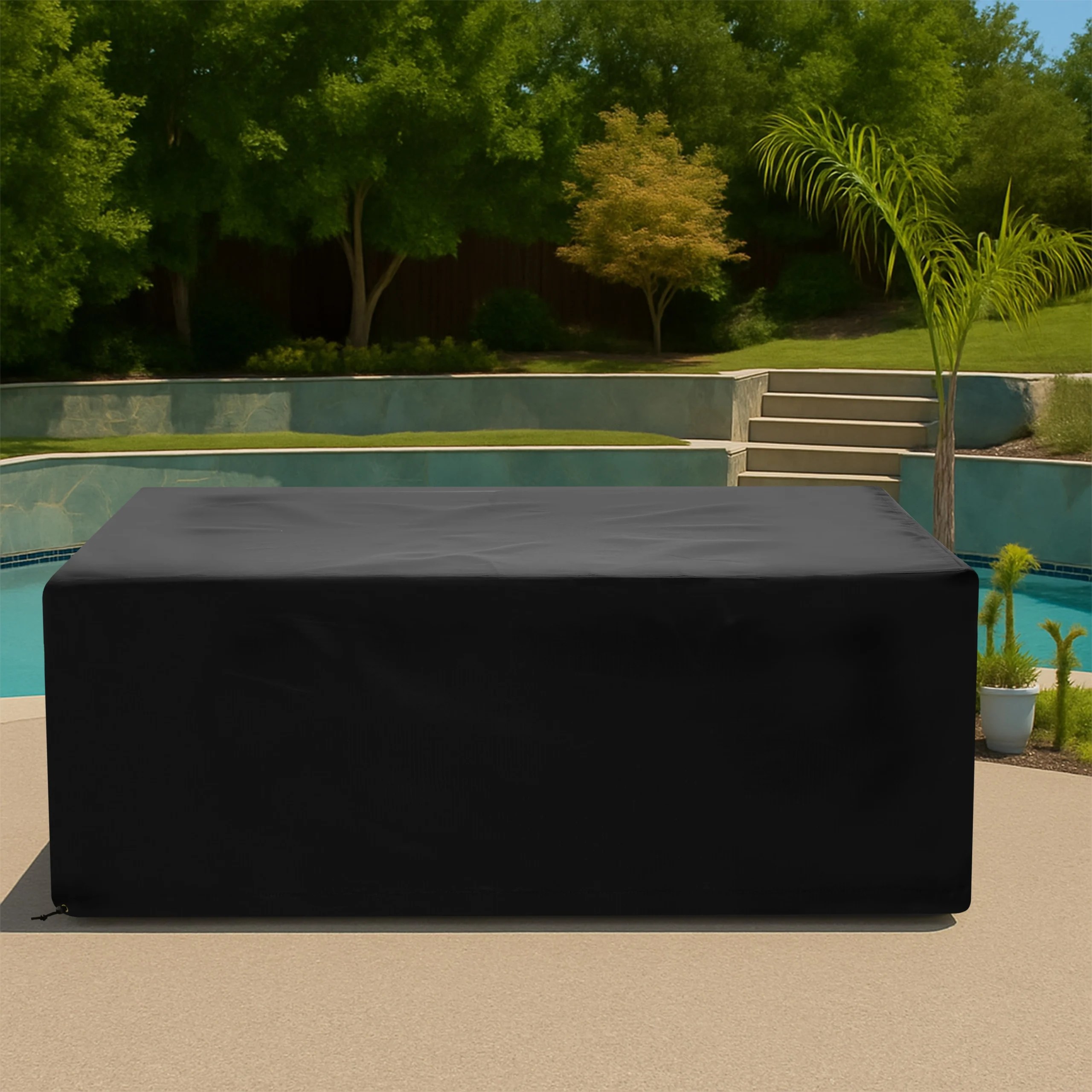
Built-in bbq islands can look ready for use one day and show weather wear the next. Grease residue, rain, dust, uv, side-burner moisture, and wind all add up, so the right fabric and the right measurements matter. If you are comparing options, start with Grill & Heating Covers and use this guide to plan a better fit before ordering.

Why Built-In Bbq Islands Protection Matters
Built-in bbq islands usually sit in places where weather changes quickly. Morning condensation, afternoon UV, blowing grit, and overnight rain can work into seams, surfaces, cushions, burners, controls, or storage drawers. A cover is not only about keeping an item clean; it helps slow the small damage that turns into fading, staining, corrosion, swelling, and extra maintenance.
The most useful cover is the one that fits the actual item you own. Built-in islands include controls, counters, faucets, and odd corners that need more than one rough dimension. When the shape is respected, the cover can sit flatter, protect more of the exposed surfaces, and look intentional instead of temporary.
Best Use Cases
This type of cover is especially useful for outdoor kitchen islands, built-in grills, side burners, counters, and sink stations. It also works well when the item is visible from a patio, driveway, storefront, pool area, or commercial outdoor space where a clean appearance matters as much as protection.
Homeowners often order covers to reduce seasonal cleaning. Businesses use them to keep guest areas, service equipment, and outdoor fixtures presentable between uses. In both cases, a fitted cover saves time because the protected item is easier to uncover, inspect, and use again.
How to Choose the Right Fabric
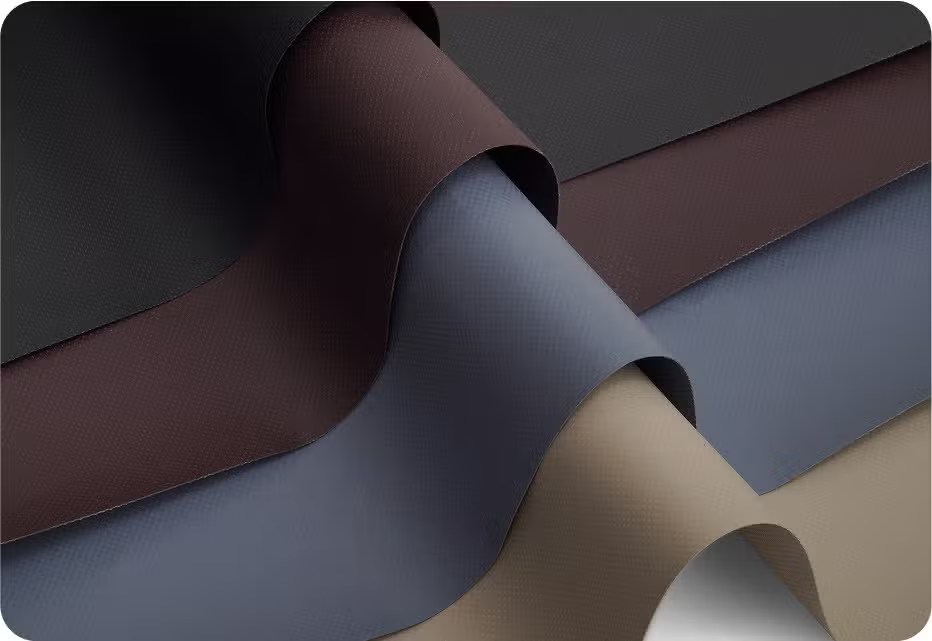
Start with waterproof outdoor fabric that can handle regular rain while remaining comfortable enough to install and remove. UV resistance is important because sunlight can weaken fabric and fade exposed surfaces over time. If the item has sharp corners, metal edges, wheels, or frequent handling, reinforced corners or stronger seam construction can make the cover more reliable.
Thickness matters, but it is not the whole story. A very heavy universal cover can still perform poorly if it sags, flaps, or leaves key parts exposed. Fit matters as much as fabric weight because a properly shaped cover puts material where protection is needed and reduces stress in the wrong places.
Waterproof and UV Protection
Waterproof protection helps block rain, snow, sprinkler spray, and wet debris from sitting directly on the item. UV-resistant material helps limit sun exposure during long outdoor storage. Together, these features support year-round protection in changing weather, especially when the cover is used consistently instead of only during storms.
A good fit improves weather protection because loose fabric can form pockets that collect water. Oversized covers may also lift in wind and uncover the very surfaces you wanted to protect. The goal is not a skin-tight cover; it is a measured fit with enough allowance for easy handling and less room for sagging.
How to Measure Correctly
Measure the actual built-in BBQ islands, not an old cover. For rectangular items, record width, depth, and height at the widest and tallest points. For round items, measure diameter and height. If the item has an unusual footprint, sketch the top view and label each side so the final cover follows the real shape.
Include protruding parts such as handles, shelves, wheels, controls, vents, hitches, arms, cushions, cords, hoses, rails, burners, mirrors, or brackets. Photos are helpful for irregular shapes because they show where fabric needs to clear hardware or wrap around raised parts. Avoid adding too much extra size; loose fabric can flap, sag, collect water, and wear faster.
Why Custom Fit Beats Universal Covers
Universal covers are made to fit many items loosely, which is convenient at first but often weaker outdoors. Extra fabric can catch wind, rub against corners, expose lower sections, and create puddles on flat areas. For irregular shapes, a universal cover may protect the top while leaving controls, legs, handles, or side panels vulnerable.
A custom cover is planned around the surfaces that actually need protection. That makes it cleaner for visible spaces and stronger for long-term use. If you need a solution for unusual dimensions or grouped pieces, made-to-fit Grill & Heating Covers are usually a better investment than replacing a loose cover again later.
Ordering Checklist
- Confirm the exact item or group you want to cover.
- Measure width, depth, and height from the actual item.
- Use diameter and height for round shapes.
- List every protruding part that should be included.
- Decide whether the cover needs reinforced corners, tie-downs, or easier handling details.
- Choose waterproof, UV-resistant fabric for outdoor exposure.
- Take photos when the shape is not simple.
FAQ
Are custom covers worth it?
Yes, when the item stays outdoors, has unusual dimensions, or needs a cleaner appearance. Custom sizing reduces loose fabric and helps protect the right surfaces.
How tight should the cover fit?
It should be close enough to avoid heavy flapping or puddling, but not so tight that it is hard to install or stresses seams.
Should I measure an old cover?
No. Measure the actual item because old covers may be stretched, oversized, or shaped for a different product.
Is waterproof better than water-resistant?
For outdoor storage, waterproof fabric is usually the safer choice because it is designed to block rain and wet debris more consistently.
Plan Your Custom Cover With CoversForge
Get made-to-fit protection for built-in BBQ islands with waterproof, UV-resistant fabric options.
Share This Article


