 Business





Custom Equipment Covers vs Tarps: How to Choose the Right Protection

Equipment Cover Guide Tarps are useful for temporary coverage, but [...]
Equipment Cover Guide
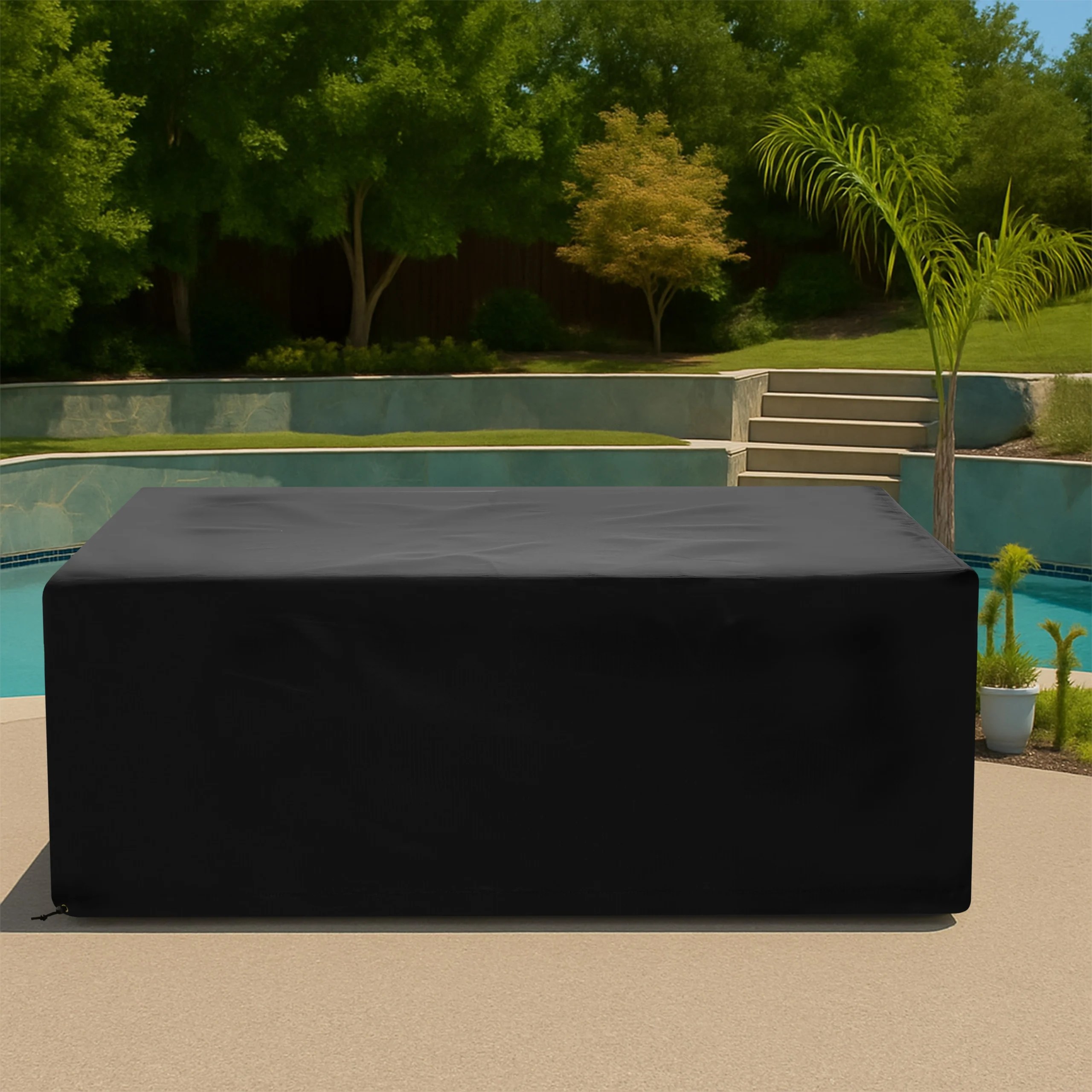
Tarps are useful for temporary coverage, but equipment that stays outdoors or in visible work areas often needs a custom cover shaped around the actual machine or cart. If you are comparing made-to-fit options, start with Equipment, Garage & Tool Covers and use this guide to prepare the right details before ordering.

Why Equipment Covers vs Tarps Matters
Equipment usually has handles, wheels, cords, vents, control boxes, rails, and uneven heights. A flat tarp can cover the general area but may leave gaps or create awkward folds.
Long-term tarp use can also create water pockets, tie-down stress, and a messy appearance in commercial spaces.
Best Use Cases
This guide applies to generators, tool carts, compressors, rolling cabinets, machines, appliances, and job-site equipment.
It is helpful for garages, schools, restaurants, hotels, facilities, warehouses, and outdoor work areas.
How to Choose the Right Fabric
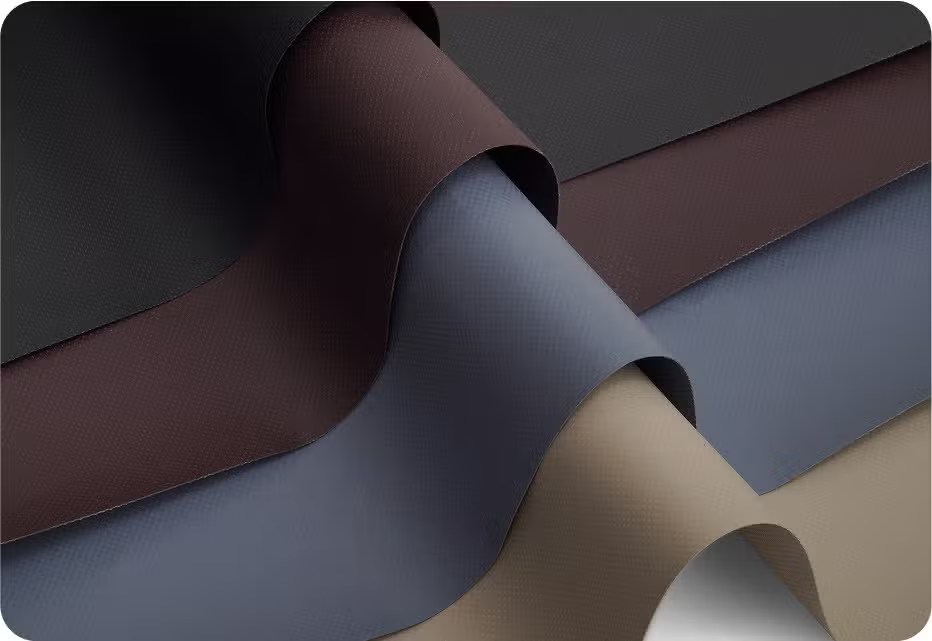
A custom equipment cover should use waterproof fabric, UV resistance, and reinforcement at high-contact points.
Choose waterproof outdoor fabric with UV resistance, stable stitching, and handling comfort. Fabric thickness is only one factor. A cover that is too loose can flap, sag, and collect water, while a cover that is too tight can stress seams and corners. The best result comes from matching fabric strength with accurate measurements.
Waterproof and UV Protection
Equipment may face rain, dust, humidity, sunlight near doors, wet floors, job-site debris, and wind.
Waterproof protection helps block rain, sprinkler overspray, wet leaves, snow melt, and everyday moisture. UV resistance helps reduce fading, drying, cracking, and heat-related aging. These features perform better when the cover sheds water naturally and stays secure in wind.
How to Measure Correctly
Measure the full parked profile, including handles, wheels, cords, hoses, vents, shelves, guards, levers, and control panels.
Measure the actual item, not an old cover. Record width, depth, and height at the largest outside points. For round items, measure diameter and height. Include handles, shelves, wheels, controls, vents, hitches, arms, cushions, cords, hoses, and any protruding part that changes the profile. Photos are helpful for irregular shapes.
Why Custom Fit Beats Universal Covers
Custom equipment covers beat tarps when the item needs repeated use, cleaner presentation, and better fit around protruding parts.
Universal covers are built to fit many items loosely. That can work for temporary coverage, but outdoor protection usually needs a cleaner fit. A custom cover reduces exposed gaps, helps prevent water pockets, looks more professional, and protects the surfaces that matter most.
Before placing an order, it also helps to think about how often the cover will be removed, who will handle it, and whether the covered item sits in a customer-facing area. A cover used every day needs a practical fit and fabric that people will actually use, while long-term storage may need stronger weather resistance and more secure fastening points.
Ordering Checklist
- Confirm the item type, location, and exposure level.
- Measure width, depth, and height at the largest outside points.
- Include handles, shelves, wheels, controls, vents, cords, hoses, hitches, arms, or cushions.
- Choose fabric based on rain, UV, wind, dust, storage time, and handling frequency.
- Use photos when the item has an irregular, curved, or grouped shape.
- Review the matching category page: Equipment, Garage & Tool Covers.
FAQ
Are tarps good enough for equipment?
Yes. Custom covers are worth considering when the item has value, outdoor exposure, unusual dimensions, or a visible location where a clean fit matters.
How do I measure equipment for a custom cover?
Measure the item in the position it will be covered. Use the largest outside dimensions and include any part that stays attached during storage or daily use.
When should I choose custom instead of a tarp?
For outdoor use, choose waterproof and UV-resistant fabric. If the cover will be handled often, also consider flexibility, reinforced corners, and secure tie-down points.
Plan Your Custom Cover With CoversForge
Get made-to-fit protection for generators, carts, tools, machines, and commercial equipment with waterproof, UV-resistant fabric options.
Share This Article

Written by : CoversForge
Follow Us
Latest Articles
September 9, 2026
September 9, 2026