 Business





Zero Turn Mower Covers: Measure the Deck, ROPS, Controls, and Seat

A zero-turn mower is wider, lower, and more irregular than [...]
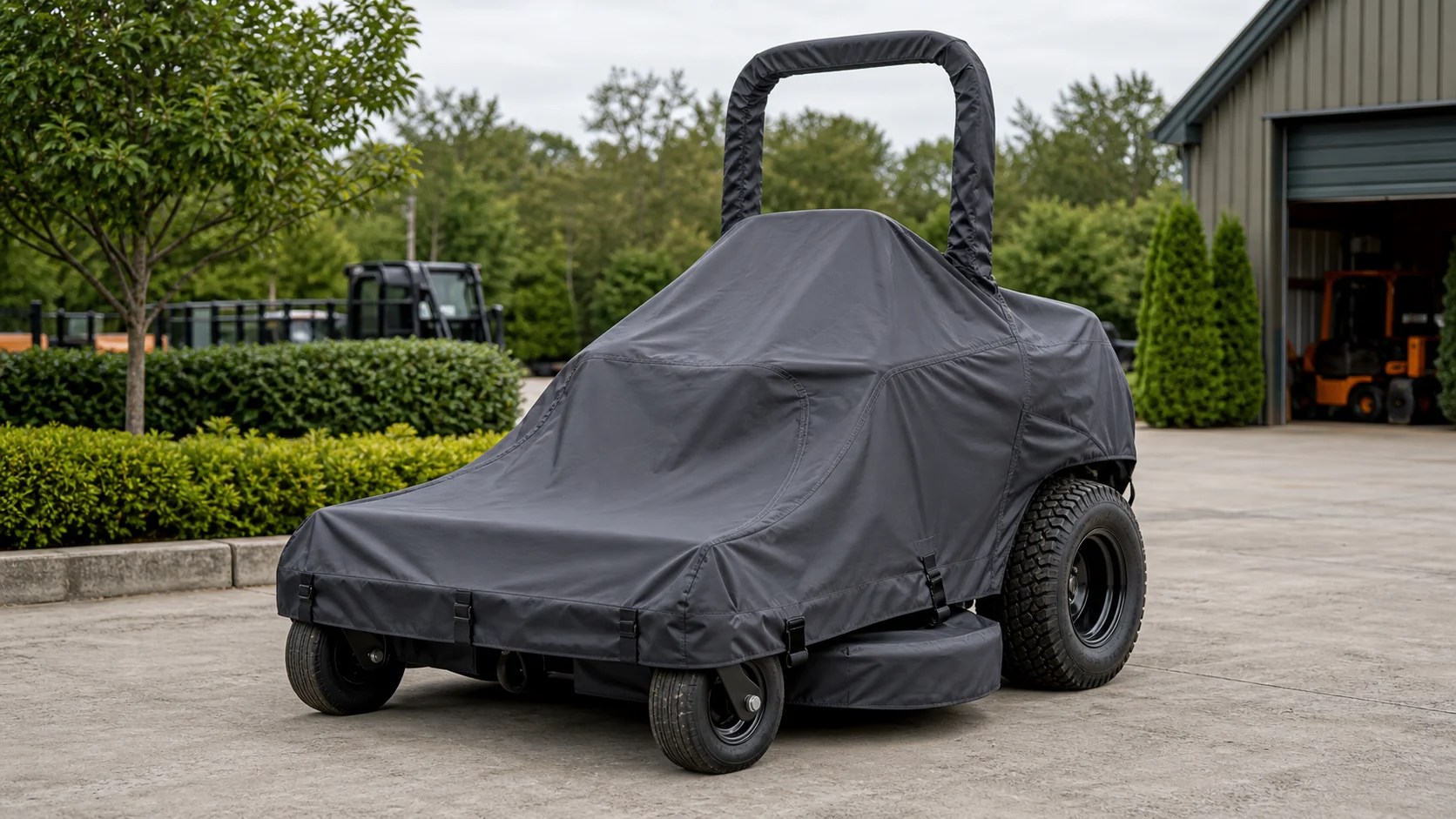
A zero-turn mower is wider, lower, and more irregular than a conventional riding mower. The cutting deck extends beyond the tires, the control levers rise beside the seat, and an upright rollover protection structure can add several feet to the stored height. Custom zero turn mower covers account for those real dimensions instead of forcing a loose rectangular shell over a machine with expensive exposed systems.
This guide focuses on the stored configuration a homeowner, landscaping contractor, school, or facilities team actually uses. Accurate measurements make the cover easier to install, reduce wind movement, and keep the pattern from loading fabric against sharp deck corners or control hardware.
Choose the Stored Configuration Before Measuring
Decide where the mower will sit and which components remain installed. Record whether the ROPS stays upright or folds, whether the discharge chute is extended, and whether a bagger, hitch, light kit, canopy, or rear weight stays on the machine. A cover measured around a stripped residential setup will not fit the same mower after commercial accessories are added. Park on level ground, lower the deck to the normal storage position, lock the parking brake, and photograph the exact configuration before taking dimensions.
Measure the Deck as the True Maximum Width
The deck—not the rear tires—is often the mower’s widest point. Measure from the outermost edge on one side to the outermost edge on the other, including anti-scalp wheels, guards, and the discharge chute in its stored position. Then record the deck depth and ground clearance. The How to Measure guide provides the basic width-depth-height framework, but a zero-turn quote should add close views of every corner where metal projects beyond the tire line.
Treat the ROPS as a Separate Profile
An upright ROPS creates a tall, narrow frame above a broad mower body. If the fabric simply bridges from that bar to the deck, it may form large unsupported slopes that catch wind or hold water. Measure total height to the top of the ROPS, bar width, bar depth, and its position relative to the rear axle. If the ROPS folds for storage, measure the mower with it locked in the folded position and note the hinge points so the pattern does not bind during removal.
Map the Seat, Levers, Console, and Engine Area
Measure the top of the seat, the outside span of both control levers, console projections, armrests, fuel cap, engine guard, and rear bodywork. Specify whether the levers rest inward or outward when parked. Tight fabric can press levers or snag an armrest; excessive allowance can flap and abrade the same parts. A shaped upper section can follow the operator area while leaving enough handling room to slide the cover on without climbing over the deck.
Include Attachments and Rear Hardware
Bagger frames, collection bins, tow hitches, striping kits, spreader mounts, and rear bumpers change both length and height. List each attachment that remains installed and provide overall dimensions with and without removable pieces. Commercial crews may need one pattern for bare mowers and another for units that carry baggers. Separating configurations is usually more reliable than making one oversized cover that fits every machine poorly.
Let the Machine Cool and Dry First
A mower cover is for storage, not immediate use after cutting. Shut down the machine, follow the manufacturer’s cool-down guidance, clear grass from the deck and engine area, and allow wet surfaces to dry. Never place fabric against a hot exhaust or muffler. The cover design can support airflow during storage, but it cannot replace routine cleaning, fuel-system maintenance, battery care, or the ventilation clearances specified by the mower manufacturer.
Plan Fastening Around Tires and Wind Exposure
The mower’s low deck creates several useful lower anchoring zones, but straps must not drag under blades, deck hardware, or tires. Ask for reachable buckles near the wheelbase or a shaped hem that sits above the ground. Open trailers and exposed service yards need more wind security than a locked garage. A stable fit reduces lift while still allowing one person to remove the cover without crawling beneath the machine.
Match Fabric to Storage Conditions
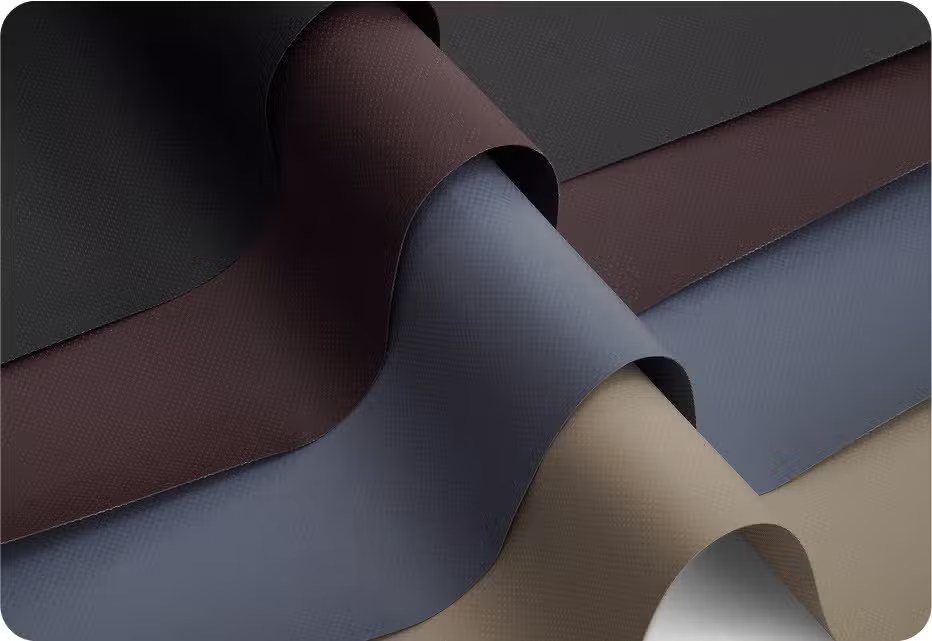
A mower stored under a roof has different needs from one parked in full sun and rain. Compare handling weight, UV exposure, waterproof construction, abrasion resistance, and expected storage duration on Our Fabrics. The heaviest material is not automatically the best daily-use choice; crews may prefer a manageable cover they will install consistently after the equipment is cool and clean.
Send a Quote Package That Shows the Whole Machine
Provide total length, deck width, ROPS height, tire positions, operator-area dimensions, attachments, and photographs from the front, rear, both sides, and a raised three-quarter angle. The best next step is the Zero Turn Mower Covers product page, followed by Request a Quote for unusual accessories or a fleet. Buyers comparing several outdoor machines can also review broader Equipment Covers.
Share This Article


