 Business





U-Shaped Sectional Covers: Measure Three Runs Without Losing the Inner Corners

A U-shaped sectional combines three connected seating runs, two inside [...]
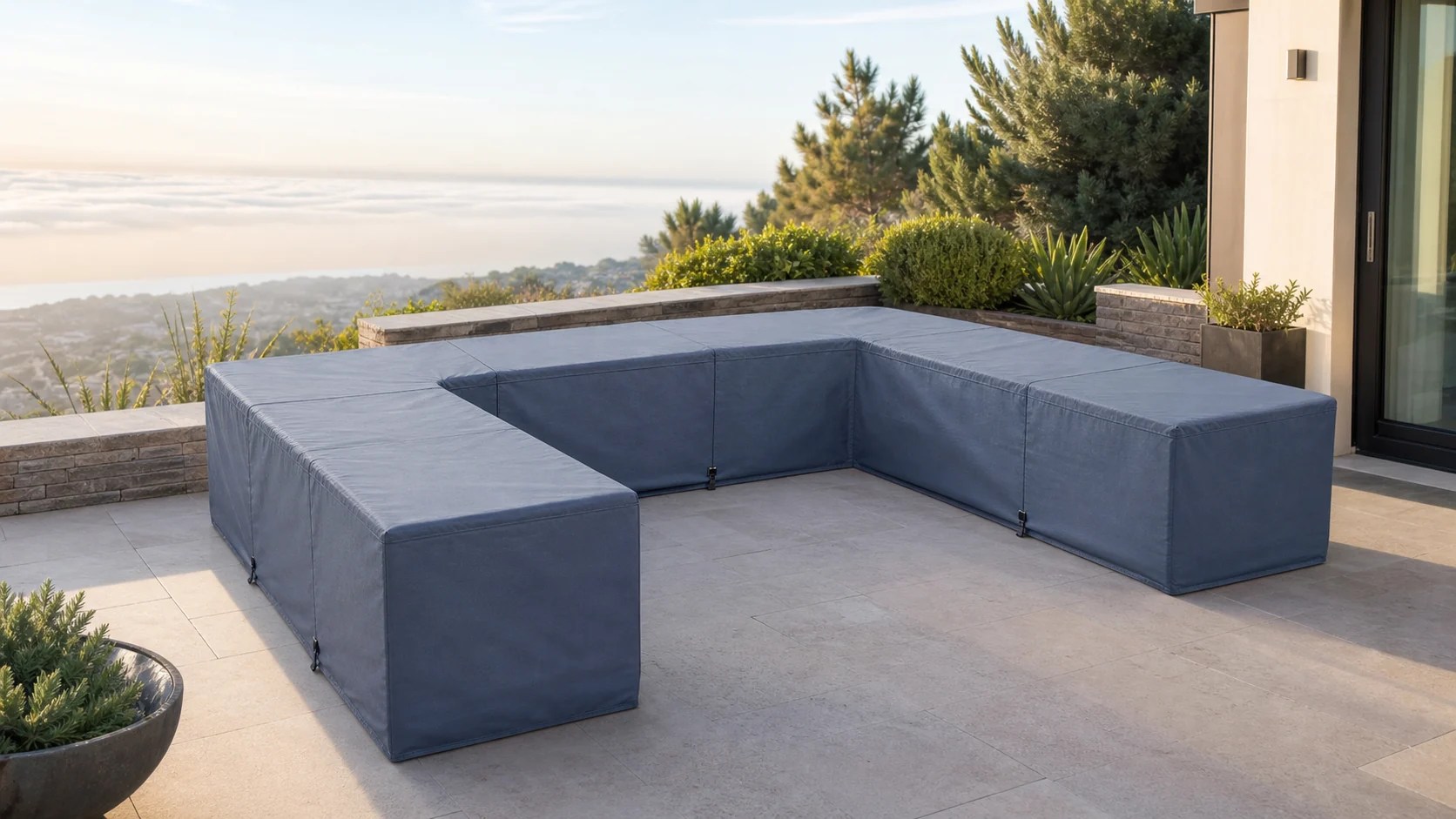
A U-shaped sectional combines three connected seating runs, two inside corners, multiple backs, and two open ends. Treating it as one outside rectangle produces excess fabric over the center opening and weakens control at the corners. Custom U shaped sectional covers should follow the actual plan view, preserve each return, and allow the cover to settle around the furniture without forcing the modules apart.
This is a section-by-section measuring job. Start by arranging every module in its final storage position, aligning the feet, and deciding whether cushions stay on the furniture. A repeatable layout is more valuable than a nominal model name because sectional combinations often change after delivery.
Lock the Sectional Into Its Storage Layout
Connect the modules exactly as they will sit beneath the cover. Confirm whether clips, brackets, or straps keep the pieces together and whether either return is longer. Mark the left, center, and right runs when viewed from the open side of the U. Photograph that orientation before measuring. If the modules move freely on smooth paving, solve the movement first; a cover should not be expected to pull separate sofas into alignment during every installation.
Draw the U From Above Before Taking Totals
Make a simple plan sketch with the center run across the back and both returns extending forward. Record the outside length of all three runs and the open distance between the two front ends. Add the inside length of each return and the inside length along the center section. The How to Measure framework still applies, but these inner measurements prevent the pattern from collapsing into a loose rectangle across the open center.
Measure Both Inner Corners as Real Geometry
Inside corners may be square, rounded, wedge-shaped, or formed by a curved connector. Measure from fixed seam lines or frame edges, not from soft cushion corners that change under pressure. Record corner depth, radius where relevant, and the location of any raised back joint. Close photos taken from above help the pattern team see where one run ends and the next begins. Never assume the two inner corners mirror each other.
Record Seat Depth, Back Height, and Arm Profiles
Measure floor-to-seat height, seat depth, maximum back height, back thickness, and the height and width of each end arm. Include sloped backs, decorative caps, side tables, reclining sections, and low-profile chaise ends. The highest point may sit at a corner rather than along the center. A stepped cover can follow those changes while leaving enough installation allowance to move over arms without dragging across cushion fabric.
Decide What Happens to Cushions and Pillows
If cushions remain in place, arrange them consistently and measure the occupied furniture, including loose back pillows that rise above the frame. If cushions move to dry storage, measure the bare sectional and keep the quote photos consistent with that choice. A cover cannot correct for alternating setups. Dry all textiles before covering, and do not use an exterior cover as a substitute for the cushion manufacturer’s storage guidance.
Choose One Cover or Controlled Sections
A single U-shaped cover gives unified protection, but a large installation may be heavy and awkward for one person. Two or three labeled sections can be easier to handle if overlaps and fastening points are planned around real module joints. Base the choice on daily workflow, exposure, and the number of people available—not only on furniture size. If using multiple covers, show which seam belongs at each inside corner so water is not directed into the seating area.
Build Runoff Into the Wide Seating Surface
Deep sectional seats create broad horizontal areas where water may settle. Use the furniture’s existing slopes or broad approved supports to encourage drainage, and keep the open center free of hanging fabric. Closures should control the perimeter without pulling the two returns inward. Recheck the cover after rain and after furniture movement; a new low spot can indicate that a module shifted, a support fell, or the layout no longer matches the original measurements.
Select Fabric for Sun, Handling, and Wind
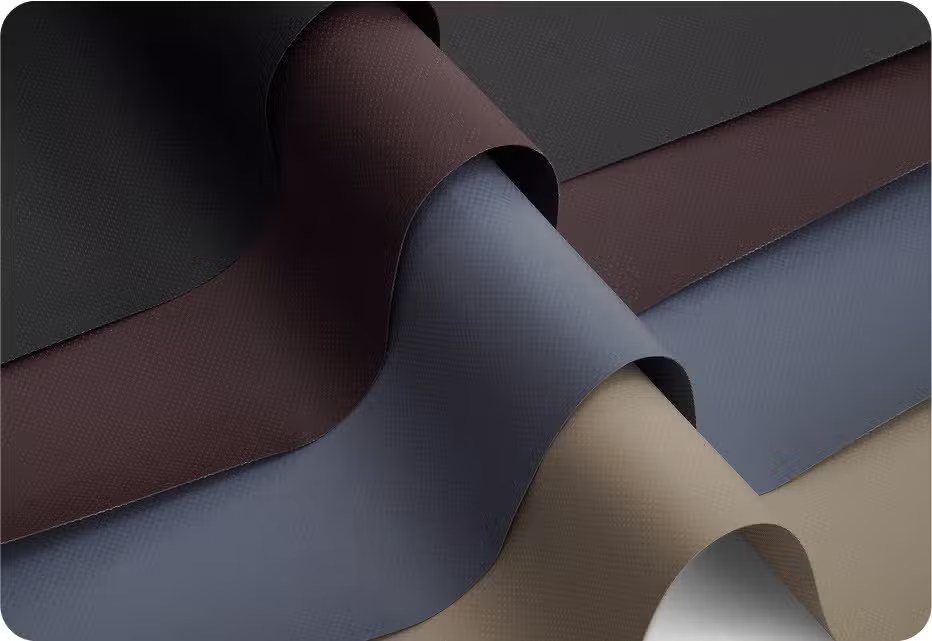
Review material weight, ultraviolet exposure, waterproof construction, abrasion resistance, and cleaning requirements on Our Fabrics. Long U-shaped perimeters benefit from reachable fastening points near each front end and along the center run. Avoid cords across the open walkway. A practical cover should fold into a labeled storage location without being dragged over coping, rough masonry, or wet ground.
Verify the Layout With Control Measurements
Before submitting the order, repeat three control measurements: the overall outside width across both returns, the front-to-back depth of each side, and the diagonal from one open front end to the opposite rear corner. Compare the second reading with the first sketch and investigate any mismatch instead of averaging it away. Mark module seams with removable tape and include a photo showing the tape labels. This final check catches swapped left and right returns, unnoticed gaps between modules, and furniture that shifted while individual dimensions were being recorded.
Quote the Three Runs as a Complete System
Send the plan sketch, outside and inside run lengths, center opening, corner geometry, heights, arms, cushions, module connections, and photographs from above and from every side. Start with U-Shape Sectional Couch Custom Covers, compare related Patio Furniture Covers, and use Request a Quote for asymmetrical layouts. Commercial terraces can coordinate repeat sets through Business Inquiries.
Share This Article


