 Business





Picnic Table Covers: Measure Attached Benches, Ends, and Umbrella Openings

A picnic table is not simply a tabletop with four [...]

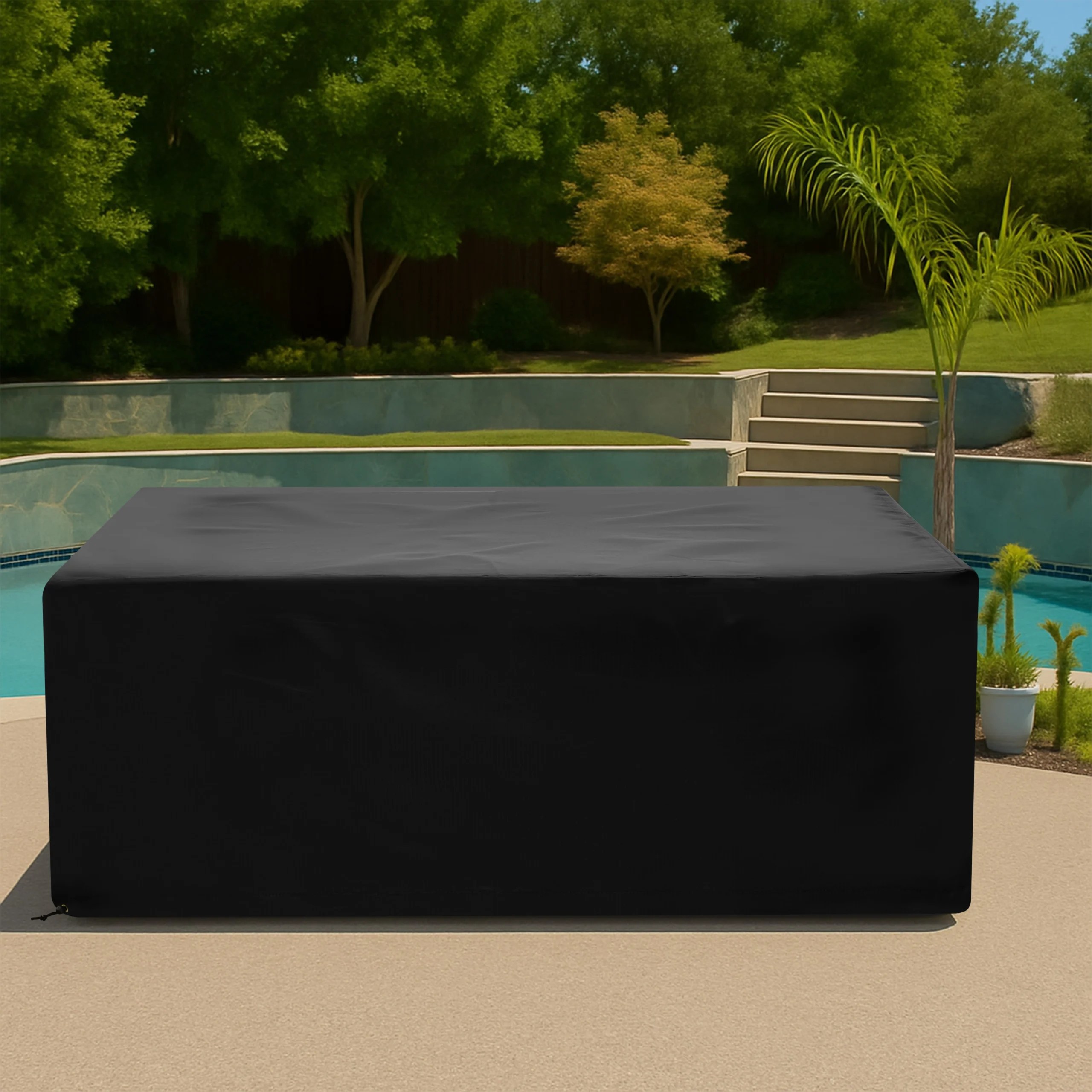
A picnic table is not simply a tabletop with four legs. Its attached benches extend the usable footprint, the end frames angle toward the ground, and cross-bracing creates hard points that a loose rectangular tarp cannot follow well. Custom outdoor picnic table covers can be patterned around the complete table-and-bench profile so one fitted cover protects the assembly without leaving large pockets of unsupported fabric.
The most reliable measurements come from the exact configuration used in storage. Before reaching for a tape, decide whether the cover will include the benches, whether an umbrella pole remains installed, and how often staff or family members need to remove the cover. Those choices affect the pattern, closures, drainage plan, and handling weight.
Choose One-Piece or Tabletop-Only Coverage
Most fixed picnic tables are easiest to protect as one connected shape: tabletop, attached benches, end frames, and lower structure. A tabletop-only cover is smaller, but it leaves seats and braces exposed and may need separate anchoring. Photograph the full assembly and mark every component that must sit beneath the finished cover. For a removable-bench or modular design, list which pieces stay attached during storage instead of assuming the product name communicates the actual configuration.
Measure the Tabletop as the Upper Reference
Record tabletop length, width, thickness, and total height from the ground. Measure to the farthest real edge, including end caps, rounded corners, trim, hardware, or a slight overhang. The basic width-depth-height sequence on How to Measure is a useful starting point, but a picnic table needs additional lower-profile dimensions because the benches are usually wider than the support frame and lower than the main top.
Map Both Attached Benches Separately
Measure each bench length, seat width, seat thickness, and height from the ground. Then record the outside distance from the left bench edge to the right bench edge; this is often the true maximum width. Do not assume both sides are identical. Repaired boards, accessible extensions, end seats, and commercial hardware can change one side. Note the horizontal distance from each bench edge to the tabletop so the pattern can follow the stepped profile instead of bridging across it.
Document Ends, Legs, and Cross-Bracing
Take straight-on photos of both table ends and measure the maximum spread of the legs at ground level. Include diagonal supports, A-frame members, bolts, foot plates, and any anchor brackets. Sharp fasteners should be repaired or padded before covering, not hidden beneath tight fabric. If the table is permanently anchored, show the anchor locations and nearby curbs so closures can be positioned where a user can reach them without crawling under the benches.
Plan the Umbrella Opening Before the Pattern
If an umbrella pole stays installed, measure its diameter, height, and position from two adjacent tabletop edges. Decide whether the cover needs a reinforced split, collar, or closure around the pole. If the umbrella is removed, the table can usually use a simpler unbroken top panel. Never trap a wet umbrella beneath the cover. Dry and store the canopy according to its instructions, then close or protect the tabletop opening without creating a low spot that collects rain.
Create a Drainage Shape, Not a Flat Basin
Wide picnic tabletops can hold water when fabric spans a perfectly flat surface. A cover should follow an existing crown or use an approved support beneath the center to encourage runoff. Keep supports broad and smooth so they do not abrade the material or create a sharp peak. Inspect the installed cover after the first storm; persistent puddles usually signal a geometry or tension problem, not a reason to tighten straps until the seams are overloaded.
Make Daily Removal Practical for Public Spaces
Parks, campgrounds, schools, restaurants, and event venues may uncover many tables each morning. Specify which end opens first, whether one person must handle the cover, and where the removed material will be stored. Numbered covers can match an asset register and reduce mix-ups between similar tables. A clean removal route also keeps wet or dirty fabric away from seating surfaces that guests will use immediately.
Match Fabric and Fasteners to Exposure
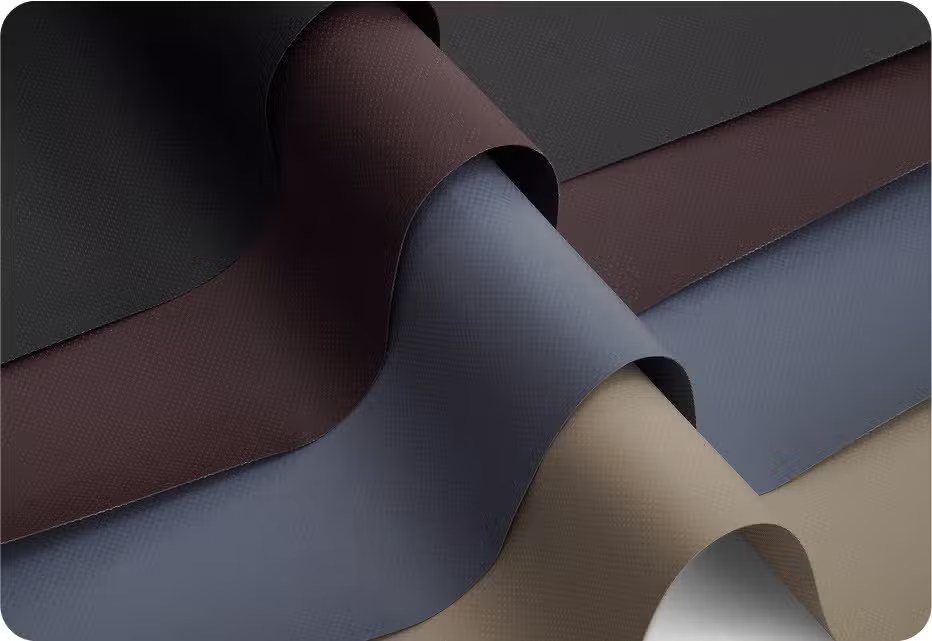
Compare ultraviolet exposure, rain, snow, wind, handling frequency, and expected storage duration on Our Fabrics. A fitted hem or reachable buckle near each end can reduce lift without running cords through a walking path. Keep the lower edge above standing water and abrasive pavement where practical. The goal is secure protection that staff will actually reinstall, not the heaviest possible material with closures no one can reach.
Send a Complete Picnic Table Quote Package
Provide tabletop dimensions, outside bench span, individual seat measurements, end-frame profile, ground spread, umbrella details, anchors, and photos from all four sides. Review the Picnic Table Custom Covers product page, then use Request a Quote for unusual frames or openings. Buyers planning several matching tables can contact Business Inquiries and browse related Patio Furniture Covers.
Share This Article


