 Business




Wall Mounted EV Charger Covers: Cables, Clearance, and Outdoor Storage
Outdoor EV charging hardware is usually compact, but the shape [...]
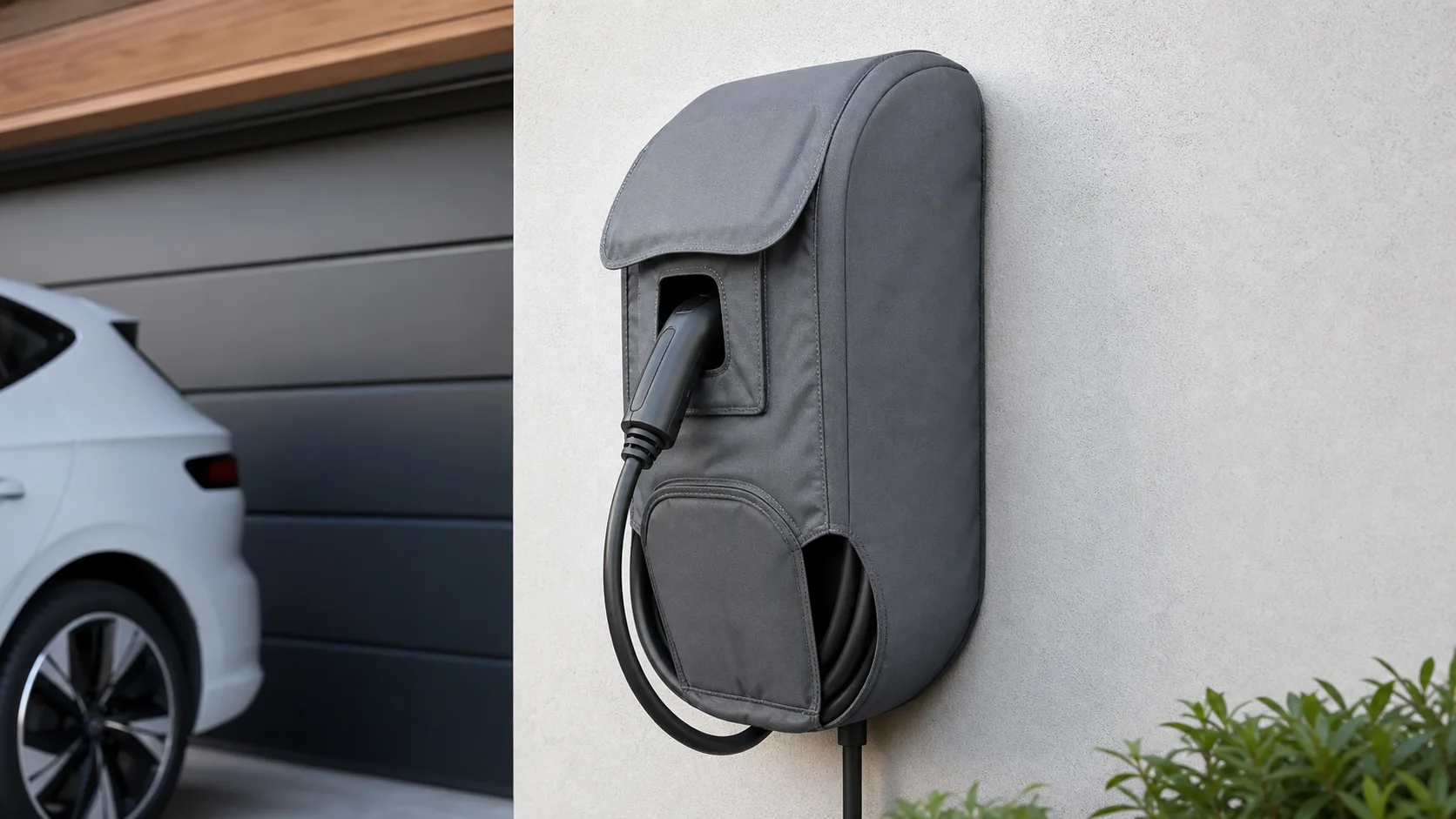
Outdoor EV charging hardware is usually compact, but the shape is more complex than a simple box. Cable loops, plug cradles, brackets, display faces, bottom ports, and wall clearances all affect how a cover fits. A custom wall mounted EV charger cover helps protect idle charging equipment from rain, sun, dust, and debris while respecting manufacturer clearance and safe-use requirements.
This is an underserved product keyword with strong commercial and residential intent. The article supports the wall mounted EV charger product page by explaining what should be measured, what should remain accessible, and when the cover should be used.
Confirm the Cover Is for Storage
An EV charger cover should be used according to the charger manufacturer instructions. In most cases, a protective cover is for idle or storage periods, not for charging operation. The cover should be removed before use if ventilation, display access, plug handling, heat dissipation, or manufacturer guidance requires it. This article should avoid implying that a covered charger can operate unless the charger maker specifically permits it.
Measure the Charger Body and Mounting Area
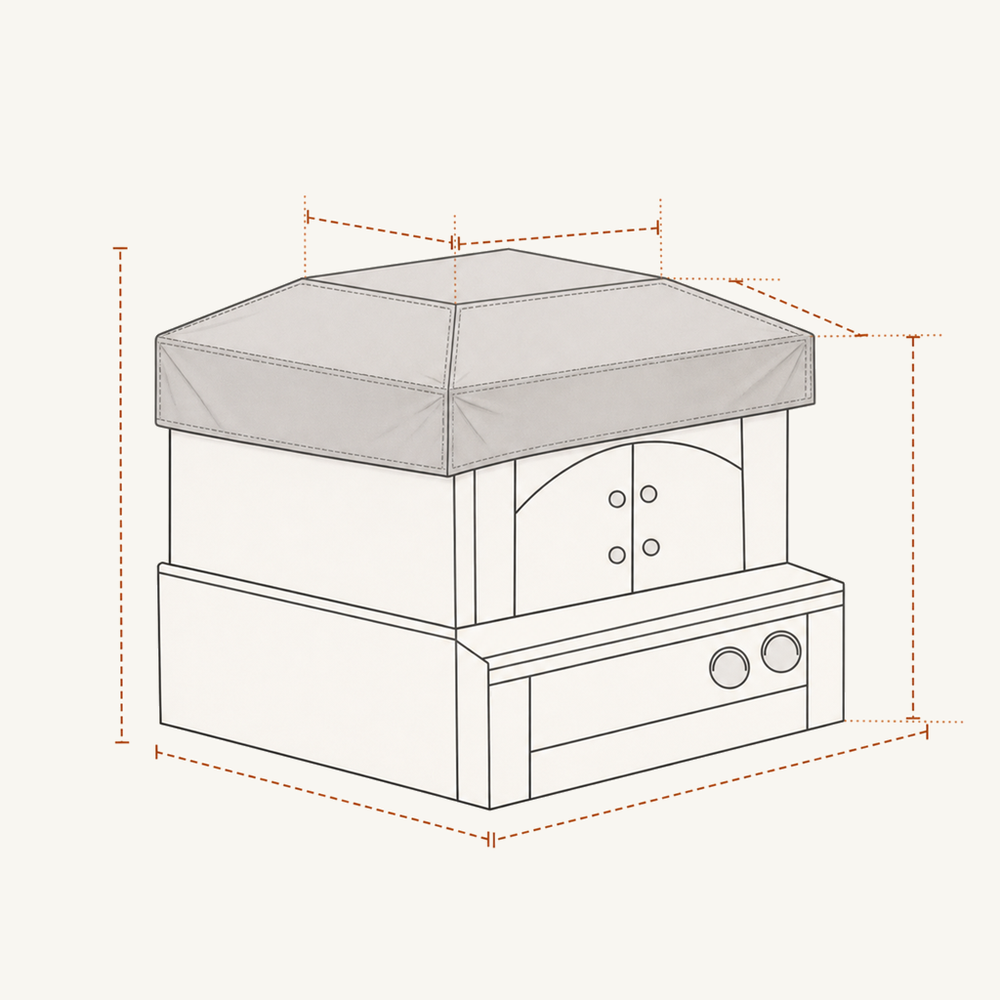
Record the charger body width, height, and depth, then measure the wall bracket, raised display, side buttons, cable exit point, plug dock, and any bottom or side projections. Include the wall material and whether the charger sits under an overhang, inside a carport, on an exposed driveway, or on a commercial charging wall. Photos from straight-on, side, and bottom angles help the cover team see the true stored shape.
Account for Cable Loops
Cable storage is the main design detail. Some owners wrap the cable around the charger body; others use a separate wall hook. The cover can be designed for the charger only, the charger plus cable loop, or the entire charger-and-hook zone. If the cable loop is included, measure the outside width, depth, and lowest point of the loop. If not, make sure the cover does not press against the cable exit or plug dock.
Protect the Plug Without Creating a Water Trap
The plug cradle and connector area need weather-conscious design. A cover should not funnel rain into the dock or hold moisture against the connector. Depending on the model, the pattern may need a shaped lower area, an overlap, or a closure that keeps the cover stable without sealing the wrong part. Drainage and manufacturer clearance are more important than making the cover look tight.
Choose Fabric for Sun, Rain, and Daily Handling
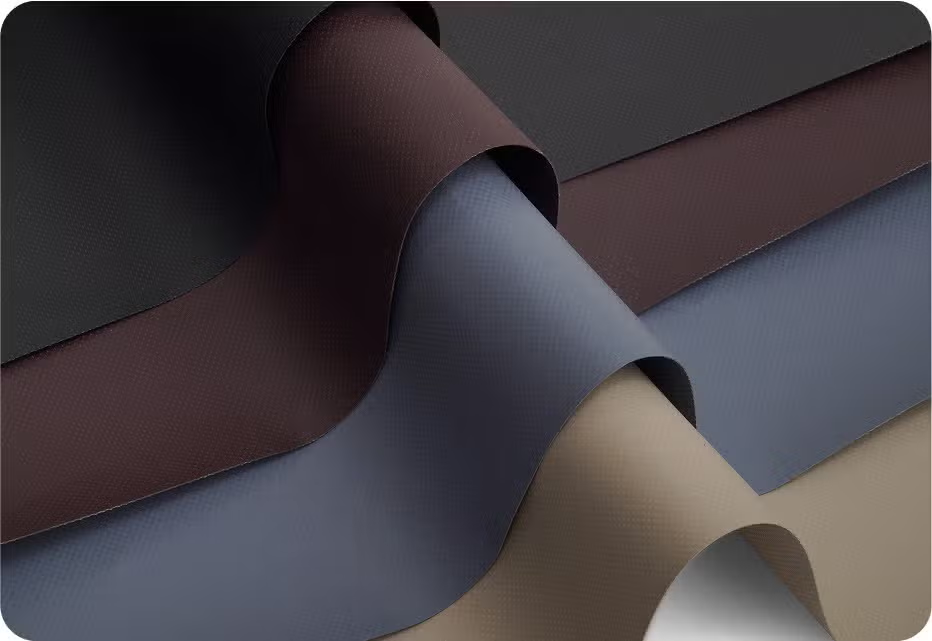
EV charger covers may be removed frequently, so fabric should balance protection and handling weight. A heavy cover that is awkward to remove may be left off; a too-light cover may flap in wind or wear quickly. Review options on Our Fabrics, then choose based on exposure, wall orientation, rain patterns, and whether the charger is residential, fleet, or commercial.
Fastening on a Wall-Mounted Object
Unlike a grill or patio table, a wall-mounted charger has no legs for lower straps. Fastening may need side closures, hook-and-loop, elastic shaping, or anchor points that work with the wall and cable arrangement. Keep closures easy to reach and avoid designs that require the user to pull hard against the charger bracket. The cover should feel secure but removable.
Fleet and Multi-Unit Charging Locations
Hotels, apartment communities, workplaces, and fleet yards may have multiple chargers. For repeat orders, group chargers by model and mounting configuration. A few chargers may have different cable hooks, bollards, signage, or wall offsets. Send those differences with the quote so one pattern is not forced onto unlike installations. Multi-unit buyers can move from the product post to Commercial Sales.
Next Click for the Buyer
The strongest target page for this search is Custom Wall Mounted EV Charger Cover. Support the conversion path with How to Measure, Request a Quote, and the broader Equipment Covers category for related charging, storage, and commercial equipment protection.
Quote Details That Reduce Back-and-Forth
Send total dimensions, photos from the front, rear, sides, and top angle, plus notes about projections, controls, wheels, cables, vents, access doors, brackets, and storage position. If several units need covers, identify which ones are identical and which have different hardware. A product-specific cover is easier to build when the quote request explains how the asset is actually stored and handled.
Why This Product Post Matters
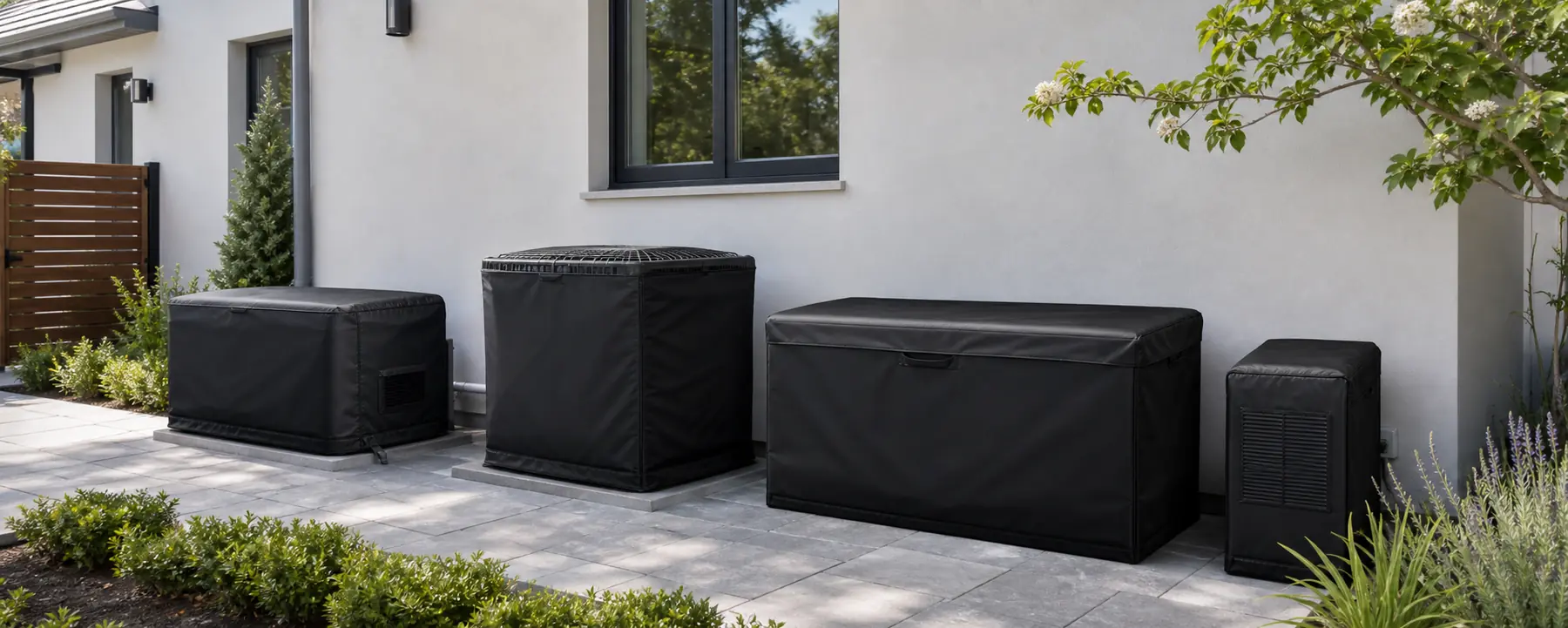
This topic targets a narrow product search that broad competitor category pages often mention without enough detail. The article proves that CoversForge understands the object, then points the reader to the product page, Equipment Covers, Our Fabrics, How to Measure, and Request a Quote. That path turns product SEO into a practical lead path instead of another isolated blog post.
Share This Article
