 Business





Outdoor Daybed Covers: Plan for Canopies, Cushions, and Drainage

Outdoor daybeds are often the most comfortable pieces on a [...]

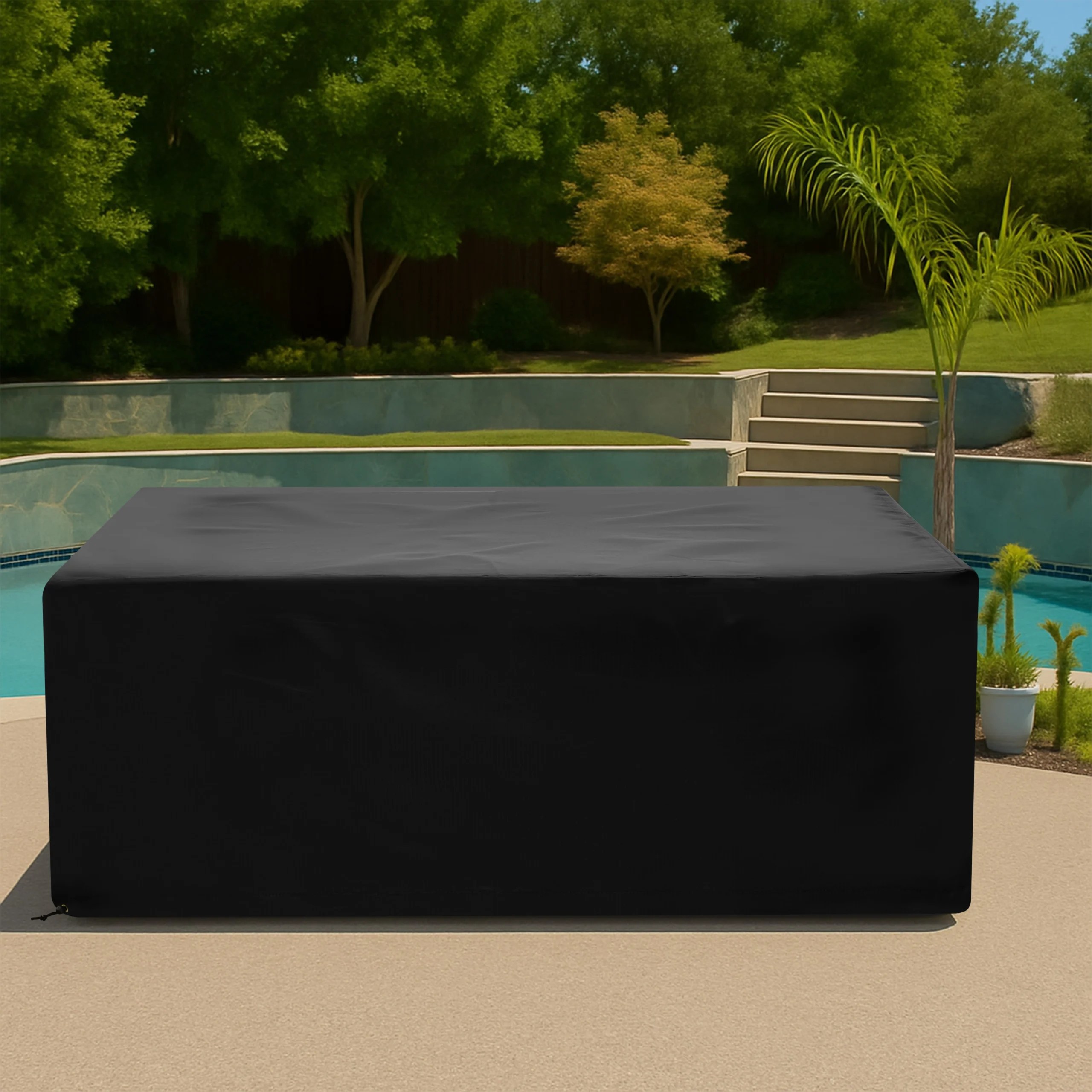
Outdoor daybeds are often the most comfortable pieces on a patio, but they are also among the hardest to cover well. A daybed may include a deep cushion stack, side bolsters, a canopy frame, curtains, wheels, low platform edges, or integrated side tables. Custom outdoor daybed covers help protect these larger lounge pieces by fitting the stored shape instead of forcing a flat tarp over a complex layout.
This topic is a useful SEO opportunity because shoppers are usually past the browsing stage. They already know they have a large daybed and are trying to protect a specific investment. A product-led guide can answer the measurement questions that broad patio cover pages often miss.
Start With the Stored Configuration
The first decision is how the daybed will be stored when covered. Are the cushions left in place? Are pillows removed? Is the canopy raised, folded, or detached? Are curtains tied back? The cover should be designed around that real storage position.
If the cover is made for the daybed with all cushions installed, measure the top of the cushion stack, not just the frame. If the canopy frame stays up, include total height and post positions. If the canopy fabric comes off separately, a lower-profile cover may be more practical.
Measure the Full Footprint
Daybeds are larger than standard chaise lounges, and small measurement errors become more visible on large panels. Record overall width, depth, and height at the widest and tallest points. Include rounded corners, raised side bolsters, platform lips, side tables, canopy posts, and wheels.
- Overall width: Measure across the widest point, including side rails or tables.
- Overall depth: Measure from the front edge to the rear-most frame or cushion point.
- Base height: Record the frame height and cushion-stack height separately.
- Total height: Include canopy posts, folded frames, or raised bolsters.
- Corner shape: Photograph rounded or beveled edges so the cover can follow them better.
Use the How to Measure guide as the starting point, then add daybed-specific photos from the front, side, rear, and above if possible.
Canopy Frames Need Special Planning
A canopy frame changes the cover from a simple lounge cover into a taller structure. The cover may need openings, sleeves, or shaped panels around posts. If the frame is exposed to wind, loose fabric around the upper canopy area can move a lot, so fit and fastening become important.
For daybeds with removable canopy fabric, it may be better to remove the canopy and use a lower cover over the frame and cushions. For built-in canopies, a custom cover can protect the entire structure, but the measurements must be precise enough to avoid tight stress points around the upper corners.
Cushion Protection and Moisture Management
Many daybeds have thick cushions that are expensive to replace. A cover helps block sun, leaves, pollen, dust, and light rain, but moisture still needs a path to escape. Covering damp cushions can trap humidity and create odors. Let cushions dry before long storage whenever possible.
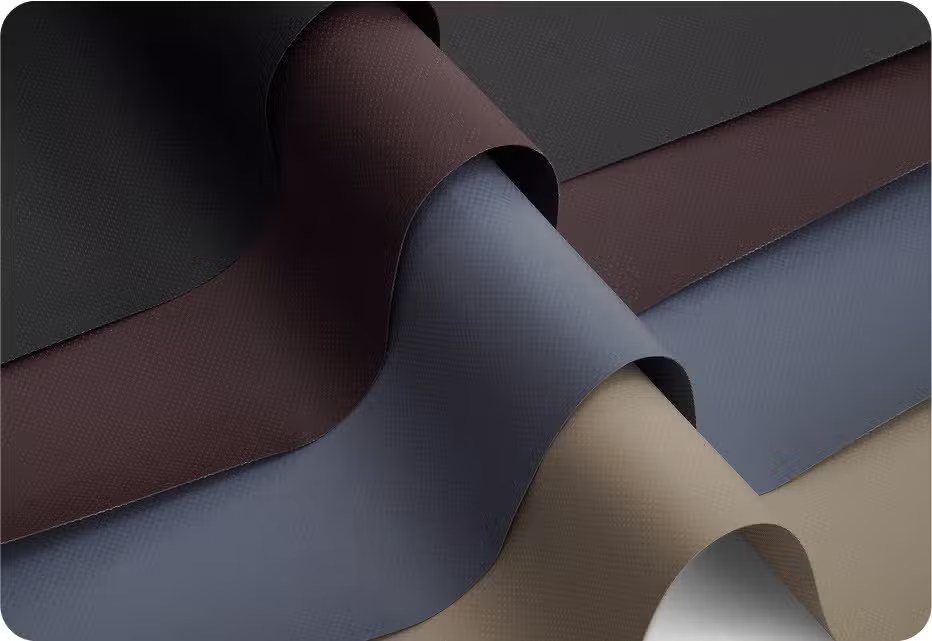
For poolside daybeds, chemical splash and reflected UV can be part of the exposure. Fabric choice should balance water resistance, UV performance, cleaning ease, and daily handling. Compare options on Our Fabrics before choosing a cover for strong sun or near-pool use.
Drainage on Large Flat Panels
Large daybed covers can collect water if the top panel is too flat. A custom pattern can reduce sagging, but the furniture shape also matters. If the cushion top is completely flat, consider whether pillows should be removed or positioned in a way that creates slight runoff during storage.
Water pooling is not just a fabric problem. It is a geometry problem. A cover that fits too loosely may form low pockets. A cover that is too tight can pull on seams. The right allowance gives the cover enough room to install while still keeping the top panel controlled.
Access, Zippers, and Handling
Because daybed covers are large, think about how one person will install and remove the cover. A zipper, split panel, or labeled corner may make daily use easier. If the cover is heavy and awkward, it may be left off, which defeats the purpose.
For resort, hotel, or rooftop settings, repeatable handling matters even more. Staff should be able to identify the correct cover, install it quickly, secure it, and store it without dragging fabric across rough paving.
Residential vs Commercial Daybeds
A homeowner may need one fitted cover for a backyard lounge area. A hotel, resort, or apartment property may need several daybed covers with consistent dimensions, color, and fastening. For commercial projects, standardizing covers by model or location can reduce confusion and simplify replacement orders.
Business buyers can organize daybed dimensions, model names, photos, and site exposure notes before requesting a quote. The Business Inquiries page is useful for multi-cover projects and repeat ordering.
Build the Cover Around Real Use
A daybed cover should match the way the furniture is stored, handled, and exposed. A poolside daybed used every weekend needs different handling than a resort daybed covered every night by staff. A canopy-frame daybed needs different measurements than a simple rectangular lounge.
To plan a made-to-measure cover, start with the Custom Outdoor Daybed Covers product page, browse related patio furniture covers, or submit photos and measurements through Request a Quote.
Share This Article


