 Business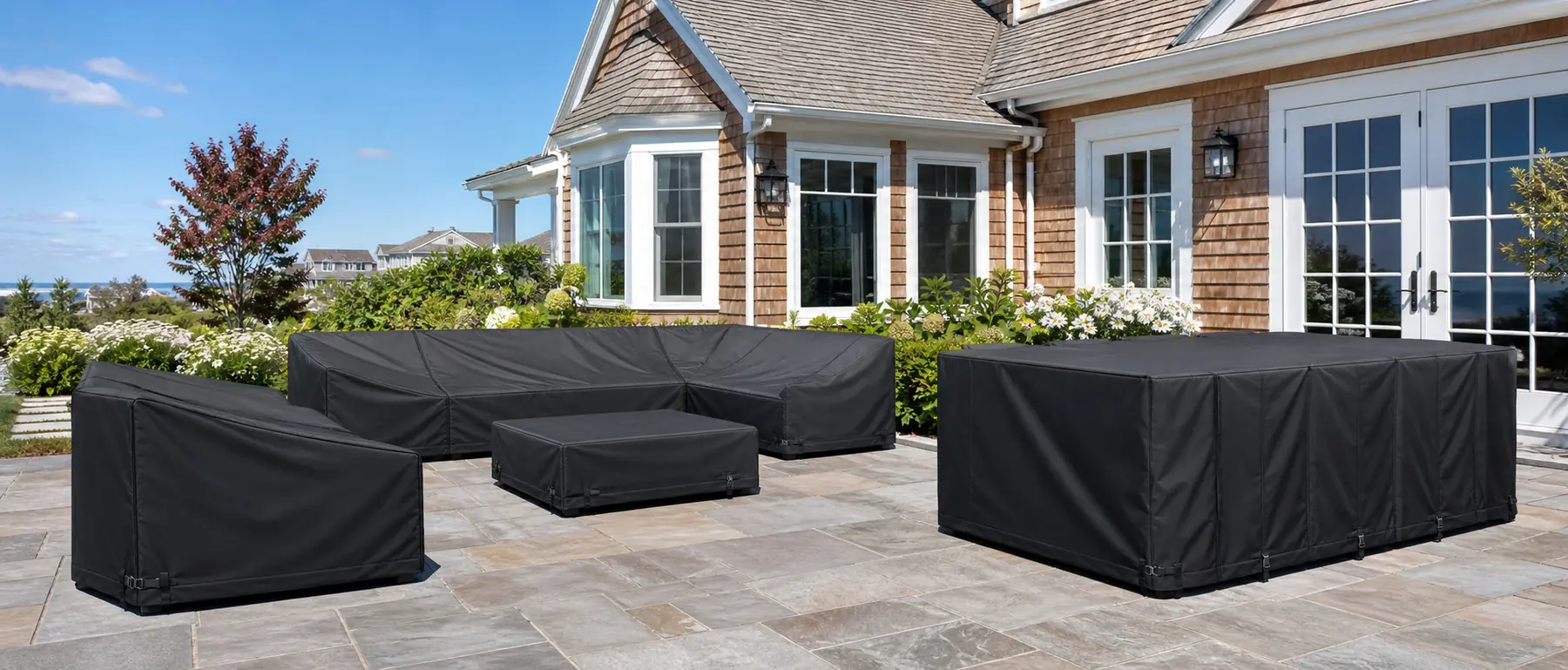




How to Choose a Custom Covers Manufacturer for Bulk Orders
Bulk buyers do not evaluate custom covers the same way [...]

Bulk buyers do not evaluate custom covers the same way a homeowner evaluates one patio cover. A restaurant group, hotel, rental company, property team, or equipment operator needs consistent fit, repeatable ordering, practical materials, clear communication, and a supplier who can turn many different assets into a controlled production project. That is why how to choose a custom covers manufacturer for bulk orders is a high-value commercial SEO topic.
This article supports the Commercial Sales page. It should help buyers build a better RFQ, understand what proof to ask for, and move from article to quote request when they are ready.
Start With the Asset List
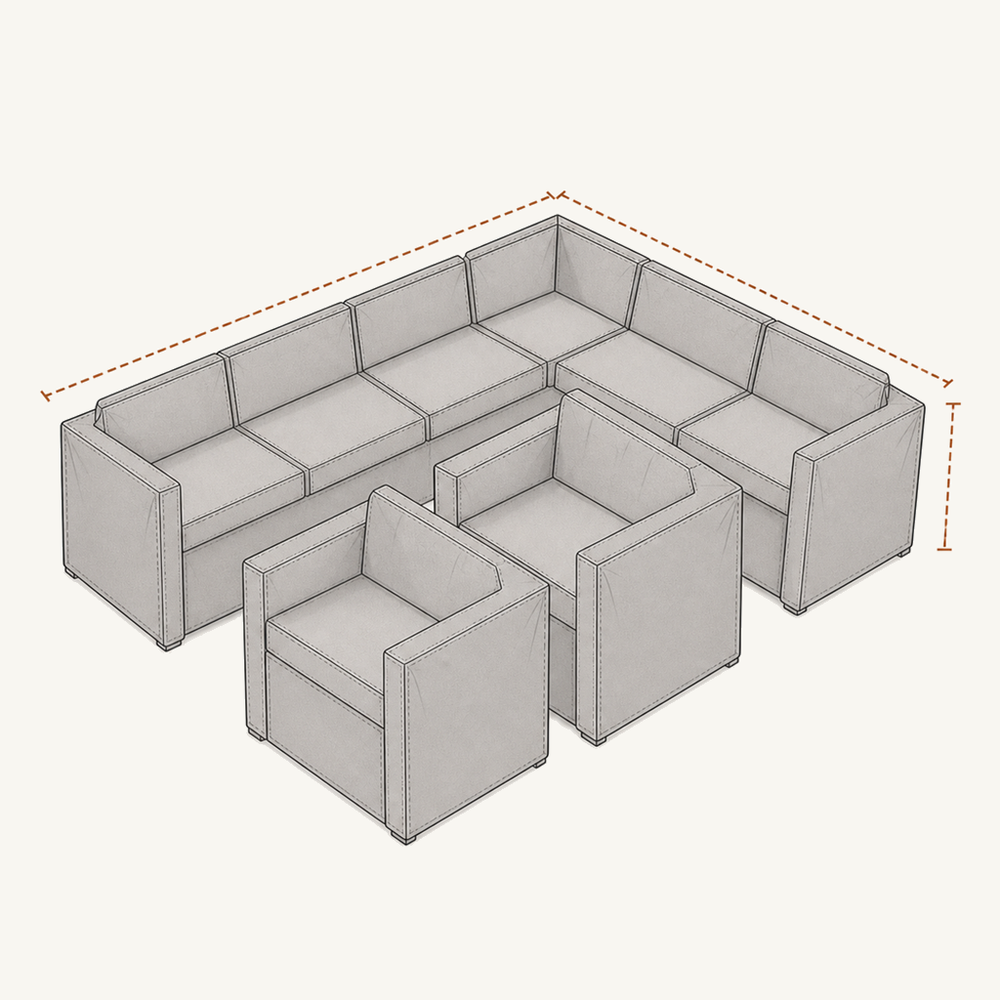
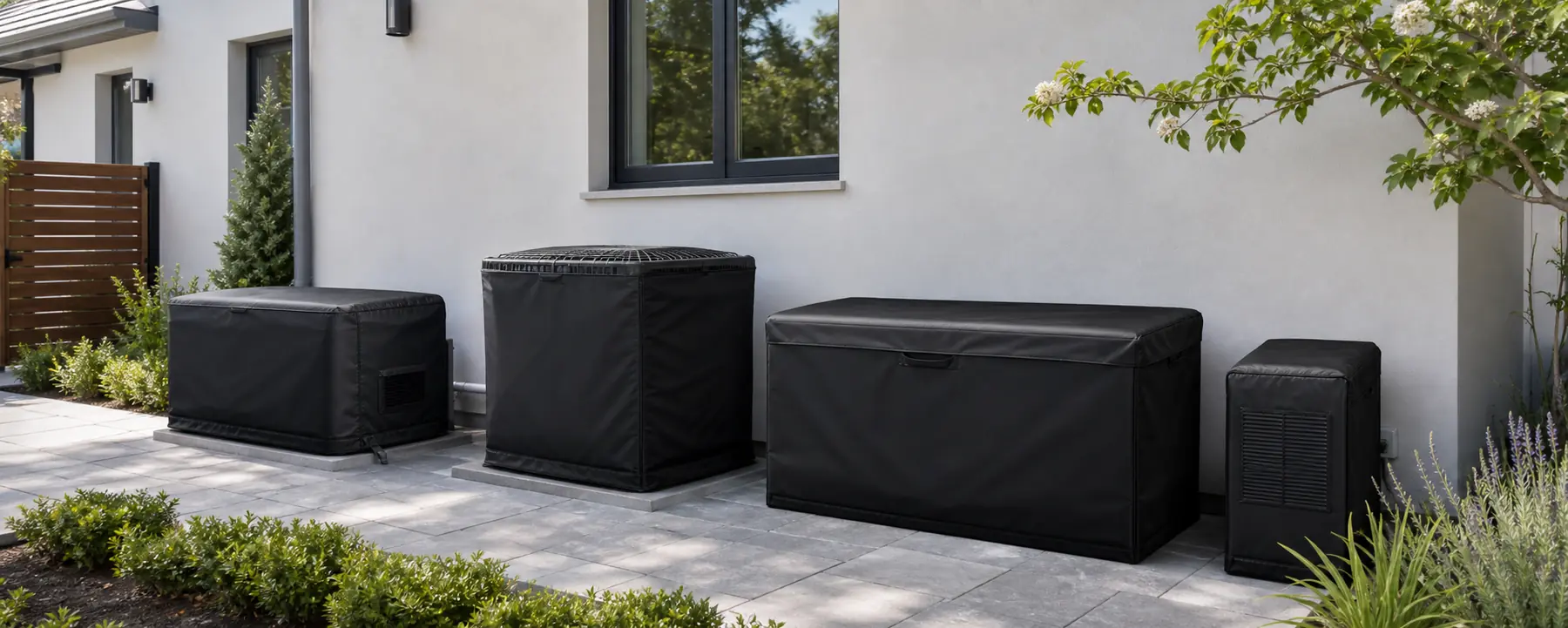
A manufacturer can only quote accurately when the buyer provides a usable asset list. Group assets by type, location, quantity, dimensions, exposure, and whether each cover is for daily use, seasonal storage, transport, or shutdown protection. A patio set, utility cart, kiosk, grill, forklift, and pool equipment cover may all use different patterns and handling assumptions.
Check Measurement Support
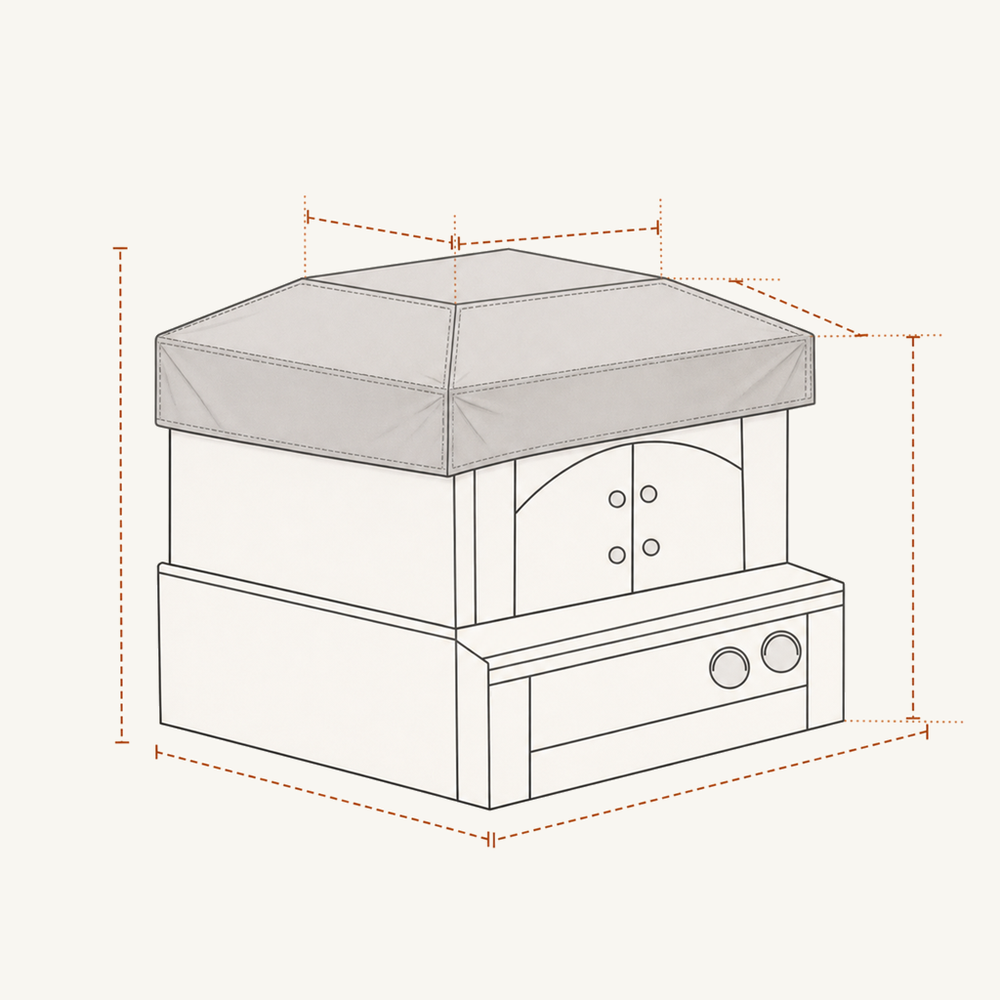
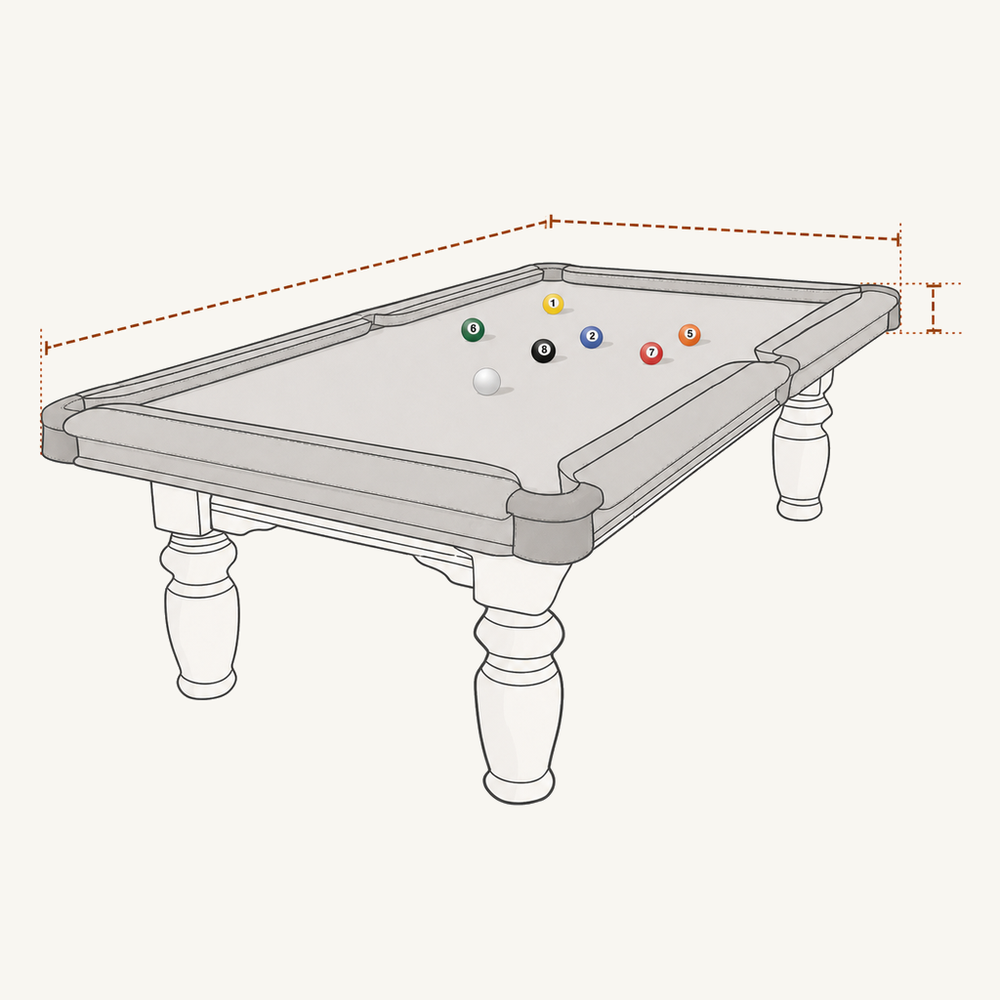
Bulk orders fail when every location measures differently. Ask whether the manufacturer provides clear measurement guidance, photo requirements, and review steps before production. CoversForge should point buyers to How to Measure and encourage consistent photo angles for repeat assets. For complex items, a sample pattern may be smarter than rushing the full quantity.
Compare Materials by Use Case
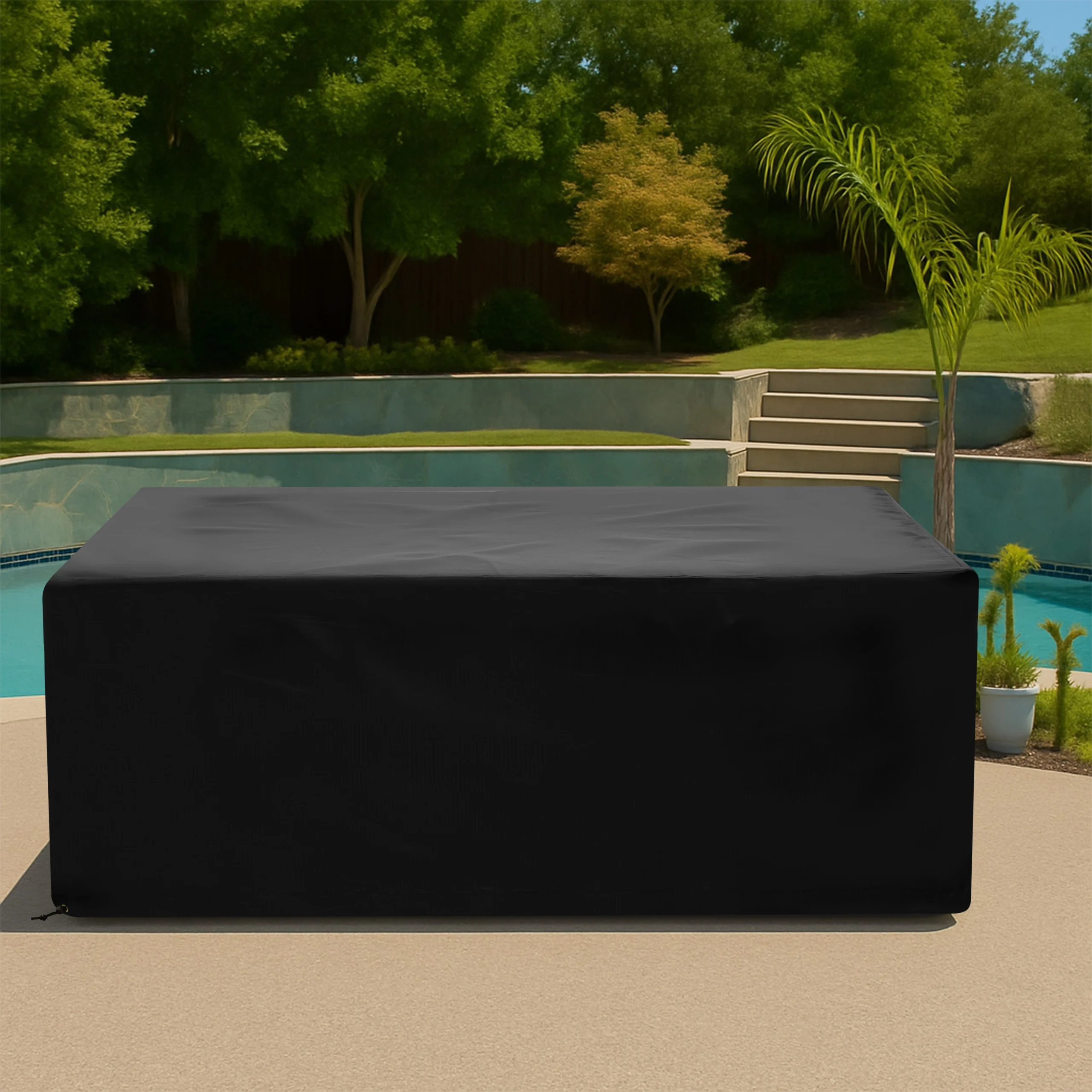
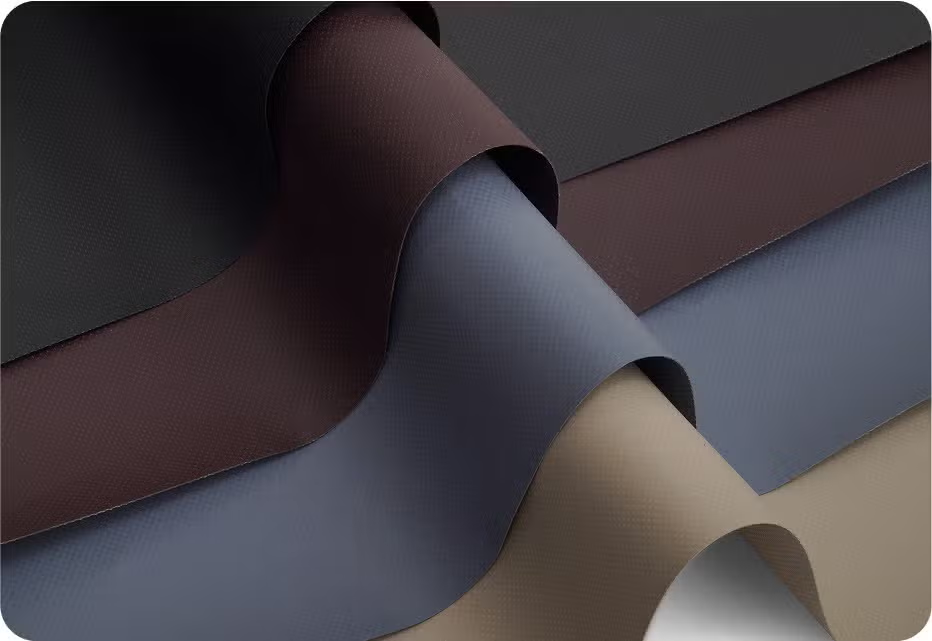
A good manufacturer should not push one material for every asset. The right fabric depends on rain, sun, wind, abrasion, handling frequency, and how heavy the cover can be for staff. Bulk buyers should review Our Fabrics, then match material groups to exposure levels rather than choosing only by price.
Ask About Prototypes and Approvals
For repeat orders, sample approval can prevent expensive mistakes. One approved cover can confirm fit, access flaps, straps, logos, fabric weight, and staff handling before producing the rest. This is especially important for restaurant furniture groups, hotel luggage carts, kiosks, industrial equipment, or assets with unusual shapes.
Look for Pattern Consistency
The advantage of a factory-direct manufacturer is repeatability. Once a pattern is confirmed, the buyer should be able to reorder the same cover with the same dimensions and feature choices. Ask how patterns are stored, how revisions are tracked, and what information is needed if a site has a slightly different model.
Evaluate Feature Planning
Bulk covers often need more than a plain shell. Buyers may need access panels, cable pass-throughs, vents, reinforced corners, printed labels, color grouping, buckles, elastic hems, drawcords, or packaging by location. A supplier should help decide which features reduce daily friction and which features only add complexity.
Choose a Supplier That Understands Commercial Workflows
A commercial cover program is an operations project. The manufacturer should understand quantities, lead times, packaging, labeling, replacement orders, and communication with multiple stakeholders. Readers who need this level of support should go directly to Commercial Sales, compare broader Custom Covers, or submit project details through Request a Quote.
Build a Better RFQ Before You Send It
A strong bulk-order request should include more than a rough quantity. Add a spreadsheet with asset names, locations, dimensions, photos, exposure notes, desired fabric, color preferences, fastening needs, packaging needs, and the date the covers must be in service. If the order includes multiple branches or properties, label each asset by site so finished covers can be packed and distributed cleanly. This reduces back-and-forth and helps the manufacturer identify which covers can share a pattern and which need separate review.
Use This Article as a Commercial Landing Page Bridge
The SEO purpose of this post is to capture supplier-research traffic before the buyer is ready to submit a form. The article should answer enough procurement questions to build confidence, then move the reader to Commercial Sales for account-level help, Business Inquiries for project intake, and Custom Covers when they need to understand the full product range. That path keeps the blog from becoming isolated content and turns it into a bridge between search intent and a real quote conversation.
For SEO, this page should also earn internal links from future posts about restaurant covers, hotel equipment covers, fleet storage covers, kiosk covers, and pallet or rack covers. Those posts can all point back to the commercial page when the buyer needs a quote for multiple assets. Over time, the cluster tells search engines that CoversForge is not only selling individual covers, but also handling repeatable custom-cover programs for business teams.
Share This Article
