 Business





Forklift Covers: Cover the Cab, Controls, Seat, or Whole Machine?

Forklifts are often stored in demanding environments: warehouse yards, loading [...]
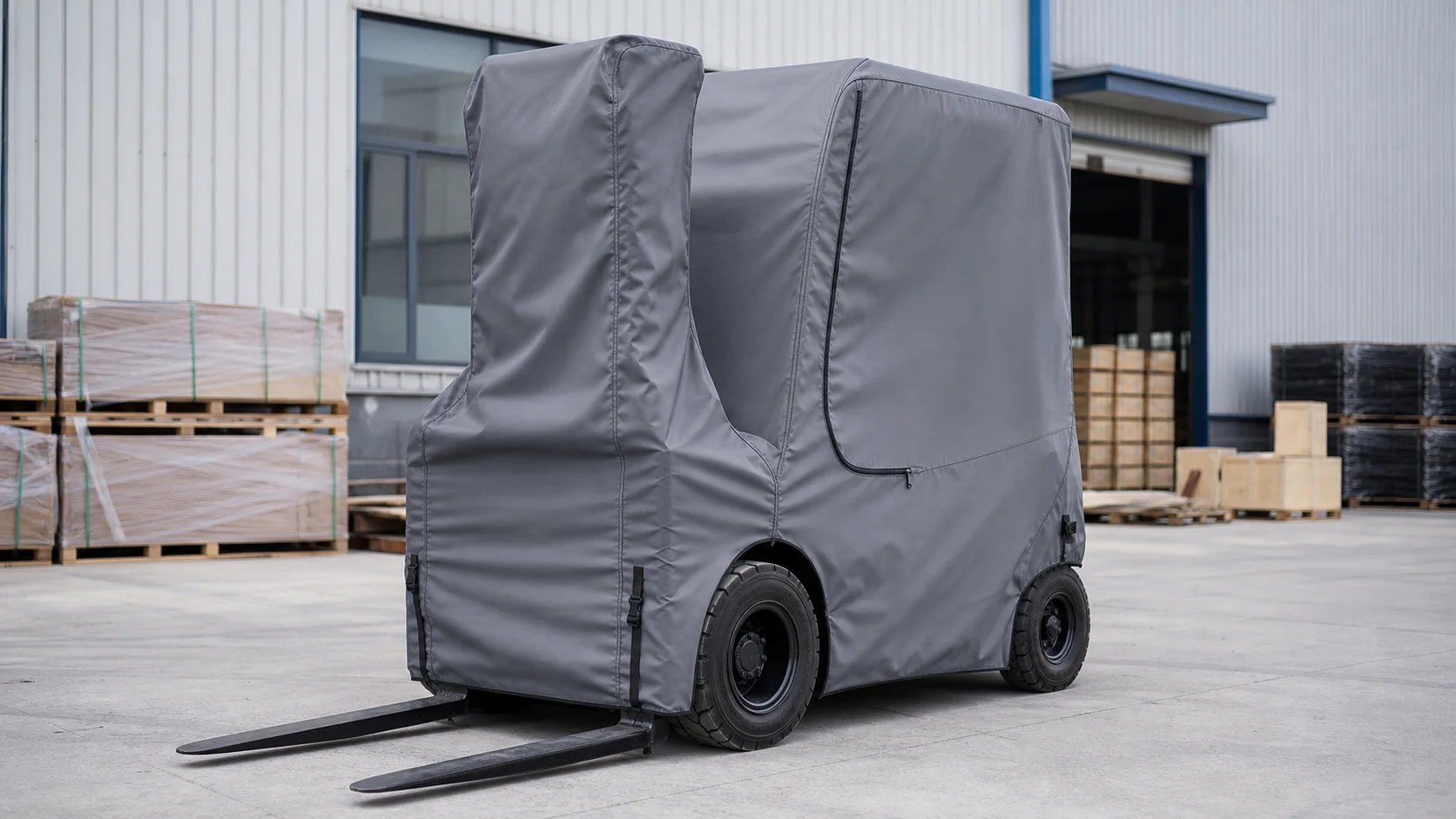
Forklifts are often stored in demanding environments: warehouse yards, loading docks, construction areas, rental fleets, and partially covered storage bays. Even when the machine is built for hard work, idle exposure can affect seats, controls, dashboards, electrical areas, paint, decals, and operator compartments. Custom forklift covers help facilities protect equipment during storage by matching the coverage level that the operation actually needs.
This is a strong B2B SEO topic because the buyer is usually not browsing casually. They may manage a fleet, maintain warehouse assets, or protect equipment between shifts. A custom cover guide should therefore focus on coverage decisions, measurement accuracy, safe storage, and repeatable ordering.
Choose the Right Coverage Level
Not every forklift needs a full-machine cover. Some buyers only need to protect the seat and control area. Others need a cab cover, overhead guard cover, mast-base cover, or full storage cover. The correct choice depends on where the forklift sits, how often it is used, and which parts are most exposed.
- Seat and control cover: Useful for quick overnight protection in semi-covered areas.
- Cab or overhead-guard cover: Protects operator areas from rain, dust, and sunlight.
- Partial equipment cover: Covers the body while leaving mast and forks accessible.
- Full storage cover: Best for longer idle periods or outdoor fleet storage.
Before measuring, decide which coverage level fits the workflow. A cover that protects too little may not solve the problem. A cover that protects too much may be too slow for daily use.
Measure the Stored Position
Forklifts have moving parts, so measurements should be taken in the position used for storage. Lower the forks according to safe storage procedures, set the mast and attachments in the normal parked position, and measure the machine as it will actually sit while covered.
Record overall length, width, and height, but also measure key projections: overhead guard, seat back, steering column, control levers, counterweight shape, wheel positions, mast base, fork carriage, and attachments. Photos are essential because forklift shapes vary widely by brand, capacity, mast style, and accessory setup.
Cab, Controls, Seat, and Dashboard Protection
The operator area is often the highest-value coverage zone. Seats, controls, dashboards, switches, and warning labels can take damage from UV, rain, dust, and debris. A partial cover around this area may be easier to handle than a full-machine cover, especially for forklifts used daily.
If the cover needs access panels or zippers, place them where workers can reach them safely from the ground. Avoid designs that require climbing on the forklift or pulling fabric around awkward mast areas.
Mast, Forks, and Attachment Clearance
Masts and forks create long, irregular shapes. In many cases, it is better to cover the body and operator area while leaving forks outside the main cover. If the mast base or attachment must be protected, measure the projection carefully and note sharp edges or grease points that could contact the fabric.
For forklifts with side shifters, clamps, fork positioners, or specialty attachments, include the attachment dimensions and photos. A standard forklift cover pattern may not account for those added shapes.
Fabric and Reinforcement for Industrial Use
Industrial covers see harder handling than many residential patio covers. They may be removed by multiple workers, folded on concrete, stored near tools, or exposed to forklift traffic areas. Reinforced seams, abrasion-aware fabric choice, and strong lower fastening points can improve service life.
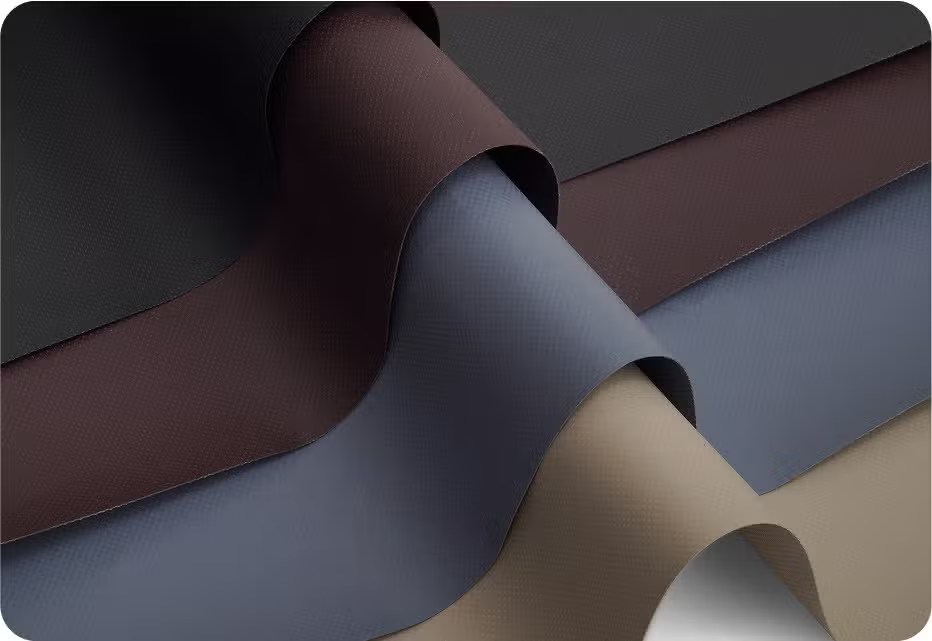
Review material choices on the CoversForge fabric page. For forklift storage, the best fabric balances weather resistance with manageable handling. A very heavy cover may protect well but become difficult to use consistently.
Fastening Without Creating a Safety Problem
Straps and buckles should secure the cover without interfering with safe storage or operation. The cover must be fully removed before the forklift is operated. Do not design a cover that leaves loose straps near wheels, forks, pedals, or moving parts.
For outdoor storage, lower fastening helps reduce wind lift. For indoor dust protection, a simpler hem may be enough. The fastening plan should reflect the site conditions and how often the forklift is returned to service.
Fleet and Repeat-Order Planning
Facilities with multiple forklifts should group machines by model, capacity, mast type, and coverage level before ordering. If every forklift is different, each one may need its own measurement set. If the fleet uses repeat models, a factory-direct cover program can standardize patterns and make replacement orders easier.
Business buyers can use the Commercial Sales page to organize multi-unit or repeat cover projects. Include quantities, storage conditions, required coverage levels, and whether each unit shares the same dimensions.
When Custom Forklift Covers Make Sense
A custom forklift cover is worth considering when equipment sits outdoors, when the operator area needs protection, when the machine has a nonstandard cab or attachment, or when a business needs consistent covers across a fleet. The value is not only in covering the machine. It is in making the cover practical enough that the team uses it correctly.
Start with the Custom Forklift Covers product page, compare related equipment covers, or submit dimensions and photos through Request a Quote. A clear coverage plan helps turn a large industrial asset into a repeatable custom-cover project.
Share This Article

Written by : CoversForge
Follow Us
Latest Articles
September 14, 2026
September 14, 2026
September 14, 2026