 Business





Custom Waterproof Pallet Covers: Protect Inventory in Overflow Storage
Overflow inventory rarely waits for perfect storage conditions. Pallets may [...]
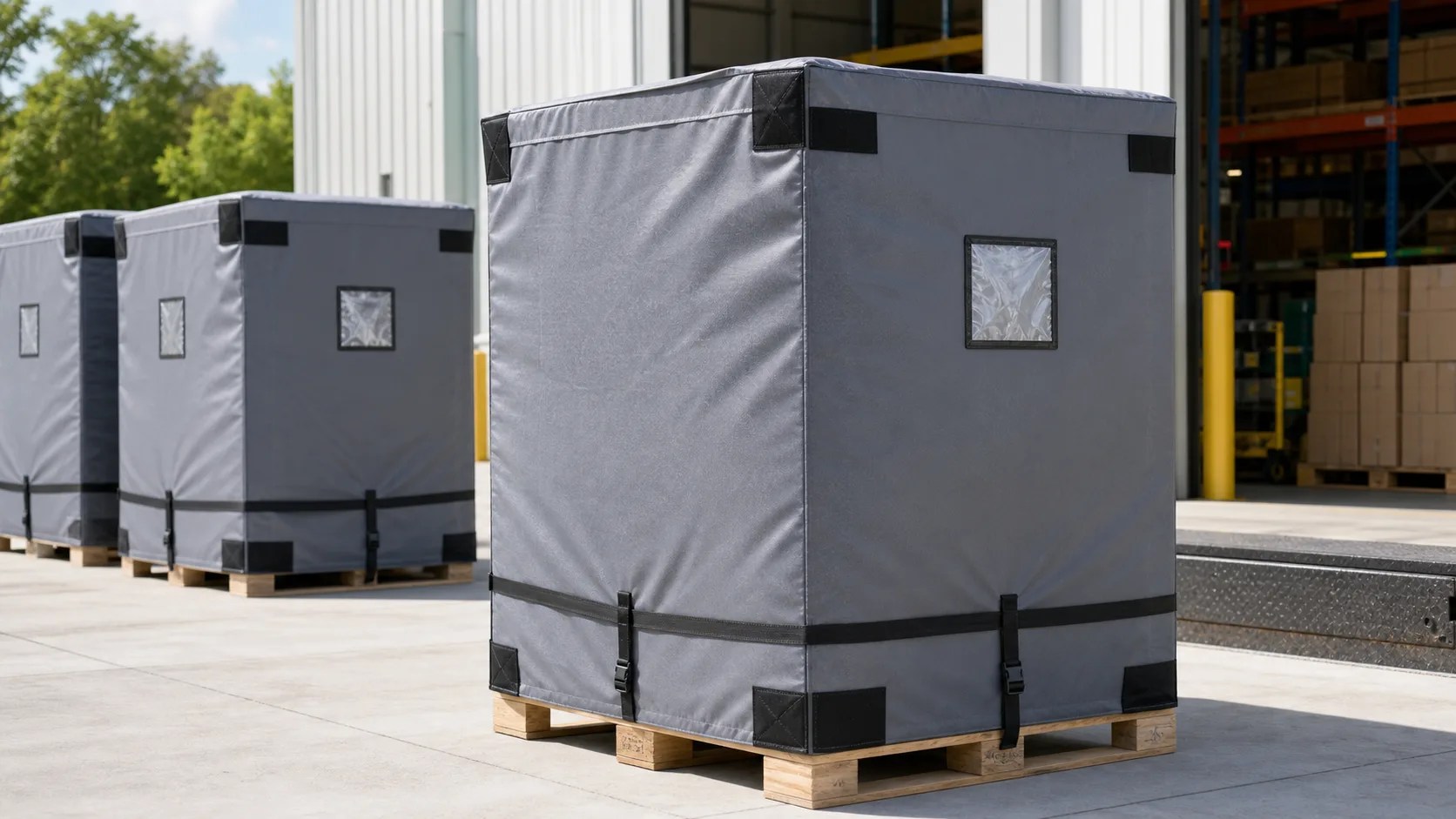
Overflow inventory rarely waits for perfect storage conditions. Pallets may sit near loading doors, in covered yards, under temporary canopies, or outside during short-term staging. Custom pallet covers waterproof searches come from buyers who need a repeatable way to protect goods without treating every pallet as a one-off tarp problem.
This article supports the Pallet Covers product page and commercial buyers who manage inventory, logistics, warehouses, distribution centers, event supplies, or production overflow.
Start With Pallet Size and Load Height
The cover should be measured around the loaded pallet, not only the wood pallet footprint. Record length, width, total height, and whether the load is square, rounded, uneven, or shrink-wrapped. Common pallet footprints can share a pattern, but load height may vary by product. If height changes often, consider ordering by standard height bands so warehouse teams can choose the right cover quickly.
Decide Between Full Drop and Partial Drop
A full-drop cover protects more of the load, while a partial-drop cover can be easier to remove during frequent picking or inspection. The right choice depends on whether the pallet is staged for hours, days, or weeks. For outdoor overflow, a lower drop with secure fastening can help protect against wind-driven rain. For indoor dust protection, a lighter partial cover may be more practical.
Waterproof Does Not Mean Ignore Drainage
Flat pallet tops can hold water if the cover has no slope or support. Even waterproof fabric performs better when water can run off instead of sitting on the load. If pallets are stacked with uneven cartons, the cover may naturally slope. If the top is flat, buyers should consider a crown, support piece, or storage layout that avoids pooling. Standing water adds weight and can stress seams over time.
Label Visibility and Picking Workflow
Warehouses still need to identify inventory after the cover goes on. Decide whether covers need clear label windows, printed ID panels, color coding, or access flaps. A cover that hides every label may protect the pallet but slow the operation. For repeat handling, mark covers by size or location so workers do not waste time matching covers to loads.
Fastening for Outdoor Staging
Pallet covers need fastening that works around pallet bases, racks, forklifts, and shrink wrap. Buckles, drawcords, and straps can help, but they should not interfere with lift entry points or create loose ends near traffic lanes. If pallets move by forklift while covered, the buyer should specify that workflow during quoting so the cover design can account for handling.
Fabric Selection by Exposure and Reuse
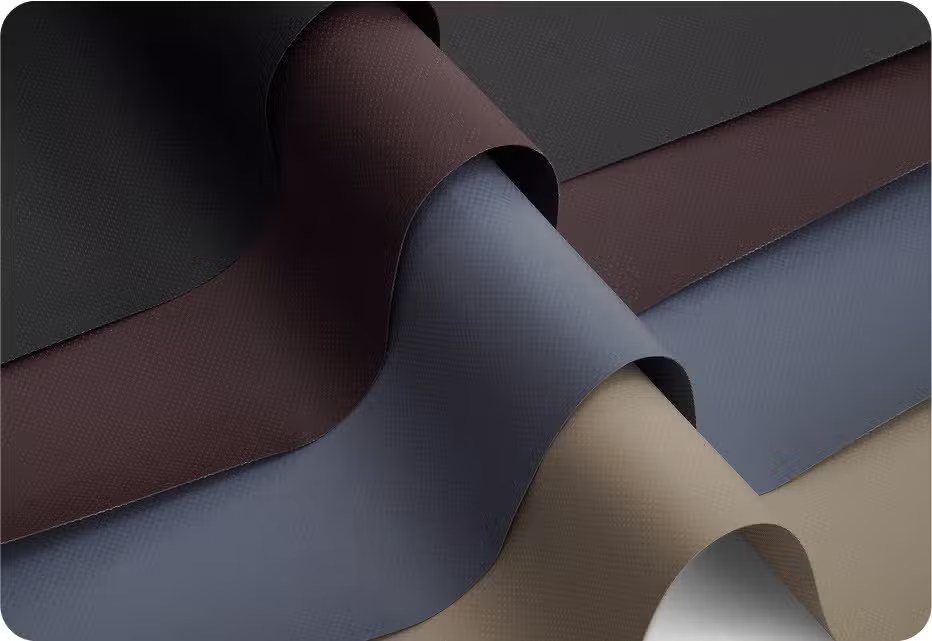
A disposable tarp mindset is different from a reusable cover program. If the covers will be reused daily, fabric durability and handling weight matter. If they protect seasonal inventory outdoors, UV and rain resistance matter more. Buyers should review Our Fabrics and match material to the storage environment, not only the lowest cost per cover.
Bulk Orders and Standardization
Pallet covers are a strong bulk-order product because many facilities can standardize by pallet footprint, height, and color. Create a simple ordering matrix: pallet size, height band, fabric, color, fastening, label window, quantity, and destination. This gives procurement a cleaner path to Commercial Sales when multiple warehouses or departments need covers.
The Product Page Path
The target page for this topic is Pallet Covers. The post should also link to Custom Covers, How to Measure, and Request a Quote. This keeps the article tied to product intent while still answering warehouse workflow questions competitors often leave shallow.
Quote Details That Reduce Back-and-Forth
Send total dimensions, photos from the front, rear, sides, and top angle, plus notes about projections, controls, wheels, cables, vents, access doors, brackets, and storage position. If several units need covers, identify which ones are identical and which have different hardware. A product-specific cover is easier to build when the quote request explains how the asset is actually stored and handled.
Why This Product Post Matters
This topic targets a narrow product search that broad competitor category pages often mention without enough detail. The article proves that CoversForge understands the object, then points the reader to the product page, Equipment Covers, Our Fabrics, How to Measure, and Request a Quote. That path turns product SEO into a practical lead path instead of another isolated blog post.
Share This Article


