 Business





Custom Pressure Washer Covers: Fit Hose Reels, Handles, and Wheeled Frames

A pressure washer is a compact machine with a surprisingly [...]
A pressure washer is a compact machine with a surprisingly complicated outline. Wheels, folding handles, hose reels, spray-gun holders, cords, and pump fittings can all extend beyond the main body. A custom pressure washer cover with hose reel should protect that complete storage profile without catching on the handle or forcing wet hose against the machine.
Prepare the pressure washer for safe storage first
A cover is for inactive storage, not operation. Turn the pressure washer off, disconnect power or follow the engine shutdown procedure, release system pressure, allow hot components to cool, and drain or winterize the unit as directed by its manufacturer. The machine and hose should be dry before the cover is installed.
Never use a fitted cover to solve an active leak, and never run an electric or gas pressure washer while it is covered. The cover can reduce exposure between uses, but it does not replace the equipment manual’s storage and freeze-protection instructions.
Choose one storage configuration and measure it
Decide whether the handle will be raised, folded, or telescoped. Wind the hose onto the reel in the same way each time. Store the spray gun, wand, power cord, and detergent bottle in their intended positions. Changing this arrangement after measuring can make the cover too short or create a new projection.
The dedicated pressure washer with hose reel cover page shows why the reel and frame need to be treated as part of one three-dimensional shape.
Record the maximum width, depth, and height
Use the widest points rather than the plastic body alone:
- Width: outside wheel to outside wheel, or across the hose reel if it extends farther.
- Depth: from the forward-most fitting or frame rail to the back of the handle or reel.
- Height: from the floor to the highest point of the handle in its storage position.
- Reel diameter and offset: note whether the reel is centered or mounted to one side.
- Base clearance: measure how far the body sits above the ground and where the wheels interrupt the hem.
Use the custom-cover measurement guide as a reference and add front, side, and back photos for any asymmetric frame.
Map every part that can snag the cover
Hose guides, hooks, wand brackets, engine controls, and exposed fittings can catch an inside seam. Mark these projections on a photo and measure their position from a fixed edge. A shaped panel or reinforced patch can carry repeated contact more reliably than simply making the whole cover loose.
If the hose reel has a crank handle, decide whether it will remain installed. A removable crank may create a much cleaner cover profile. If it must stay in place, note its maximum extension and preferred pocket or allowance.
Place the zipper where the cover can open fully
A tall pressure washer handle can make a simple drop-over cover inconvenient. A vertical zipper along a clear side lets the cover wrap around the handle and reel with less lifting. Keep the opening away from sharp brackets and hot exhaust components.
Handles sewn into the cover can also help with removal. They should be positioned over strong seams, not directly over a vent or access flap.
Ventilation supports dry storage—not operation
Covered vents can help residual humidity escape after the machine has been cleaned and dried. Place them high enough to avoid splashback and under weather flaps that deflect direct rain. Vent panels do not make it safe to cover a warm engine or an operating motor.
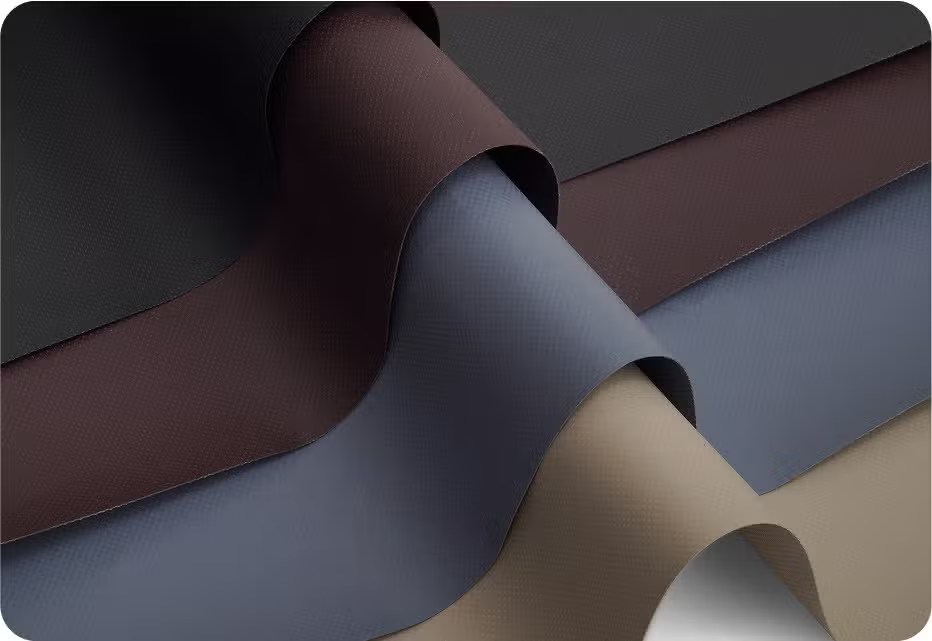
For a frequently used residential unit, a manageable fabric weight often matters as much as maximum thickness. Compare the available weather-protection options on the CoversForge fabric page.
Keep the cover secure around wheels and frames
A pressure washer is mobile, so the lower edge cannot rely on a perfectly flat base. Buckle straps can pass around stable frame members, while an adjustable hem can reduce flapping between the wheels. Do not route straps across brake levers, drain points, or delicate plumbing.
Leave enough ground clearance to keep the fabric out of standing water. If the machine is stored on soil or gravel, place it on a stable, drained surface before covering.
Build a simple pressure washer cover specification
- List the pressure washer type: electric, gas, compact, or commercial.
- State the fixed storage position of the handle, hose reel, and accessories.
- Provide overall width, depth, and height.
- Mark the reel diameter, crank, fittings, and snag points on photos.
- Choose the zipper side, vent locations, and tie-down points.
- Describe rain, sun, wind, and seasonal storage conditions.
Explore additional custom equipment covers for related yard tools and mobile machinery. For a nonstandard frame or several machines, submit the dimension sheet and photos through the custom quote form. A cover built around one repeatable storage configuration will fit more cleanly and be faster to use.
Share This Article

Written by : CoversForge
Follow Us
Latest Articles
September 14, 2026
September 14, 2026
September 14, 2026