 Business




Custom Pool Pump and Filter Covers: Service Access, Airflow, and Plumbing Clearance

Pool equipment pads combine motors, tall filters, valves, unions, gauges, [...]
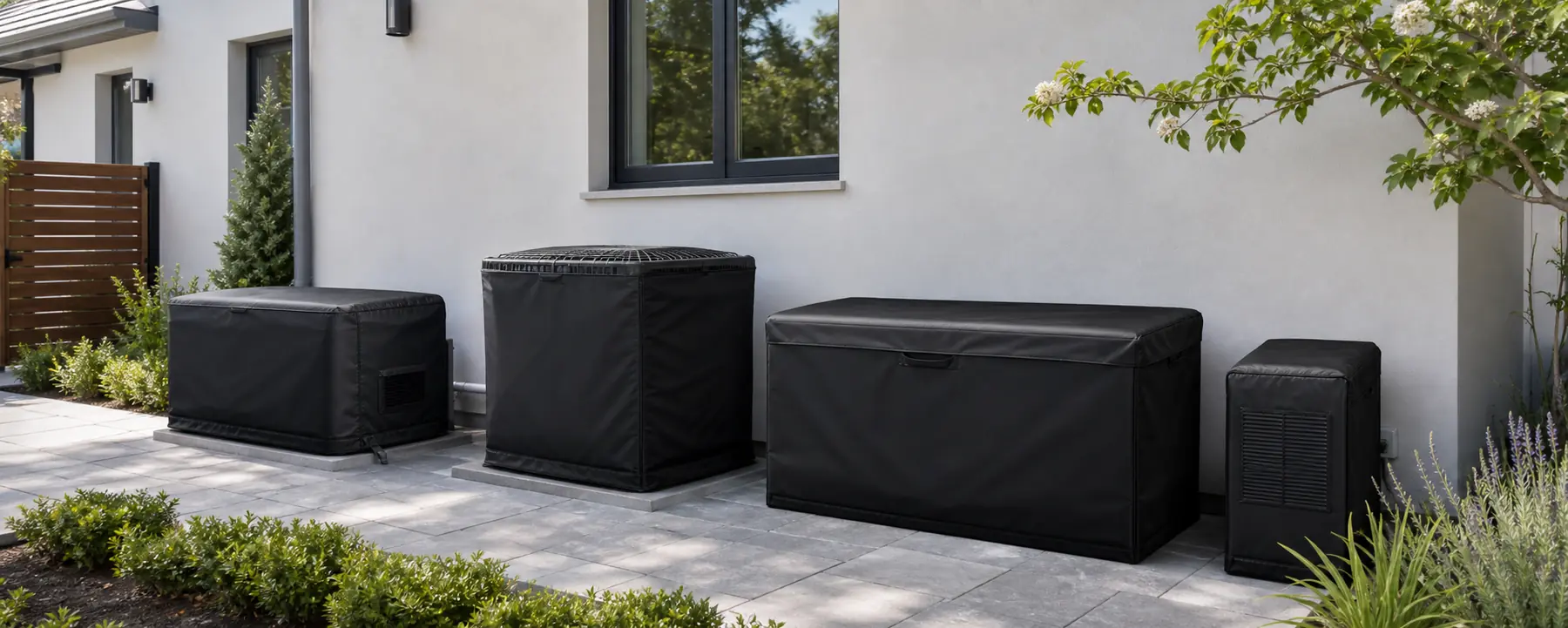
Pool equipment pads combine motors, tall filters, valves, unions, gauges, control boxes, and exposed plumbing in a compact space. A custom pool pump and filter cover must respect those service points and the equipment manufacturer’s airflow requirements. The goal is controlled protection during approved inactive storage—not sealing a running circulation system inside fabric.
Confirm when the pool equipment may be covered
Follow the pump, filter, heater, automation, and local winterization instructions first. Switch equipment off and isolate power when required. Allow motors and heaters to cool, relieve pressure safely, and make sure the pad is dry. Never cover operating equipment or block required combustion, cooling, drainage, or electrical clearances.
In many climates, a removable cover is most appropriate during an off-season shutdown or another manufacturer-approved inactive period. It does not replace freeze protection, equipment-room design, or a code-compliant enclosure.
Choose the coverage level before measuring
Three common approaches are possible:
- Pump-only cover: protects a compact motor and wet end while leaving most plumbing exposed.
- Pump-and-filter cover: follows the lower pump body and rises around the filter tank.
- Equipment-pad enclosure: covers a larger approved group of components with multiple access panels.
Do not automatically include heaters, electrical panels, chemical feeders, or other devices. Confirm that each component can be covered under its own instructions. The custom pool pump and filter cover should be scoped around a clearly defined equipment group.
Measure the complete plumbing envelope
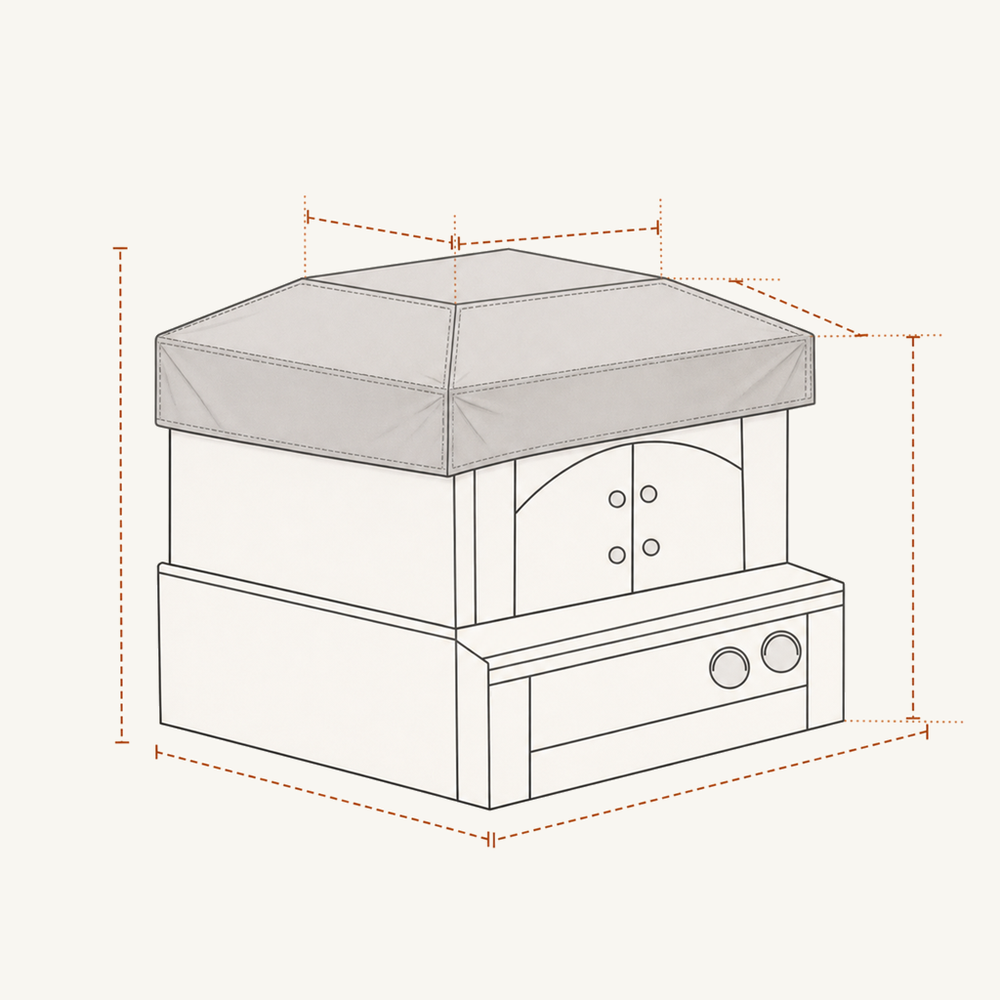
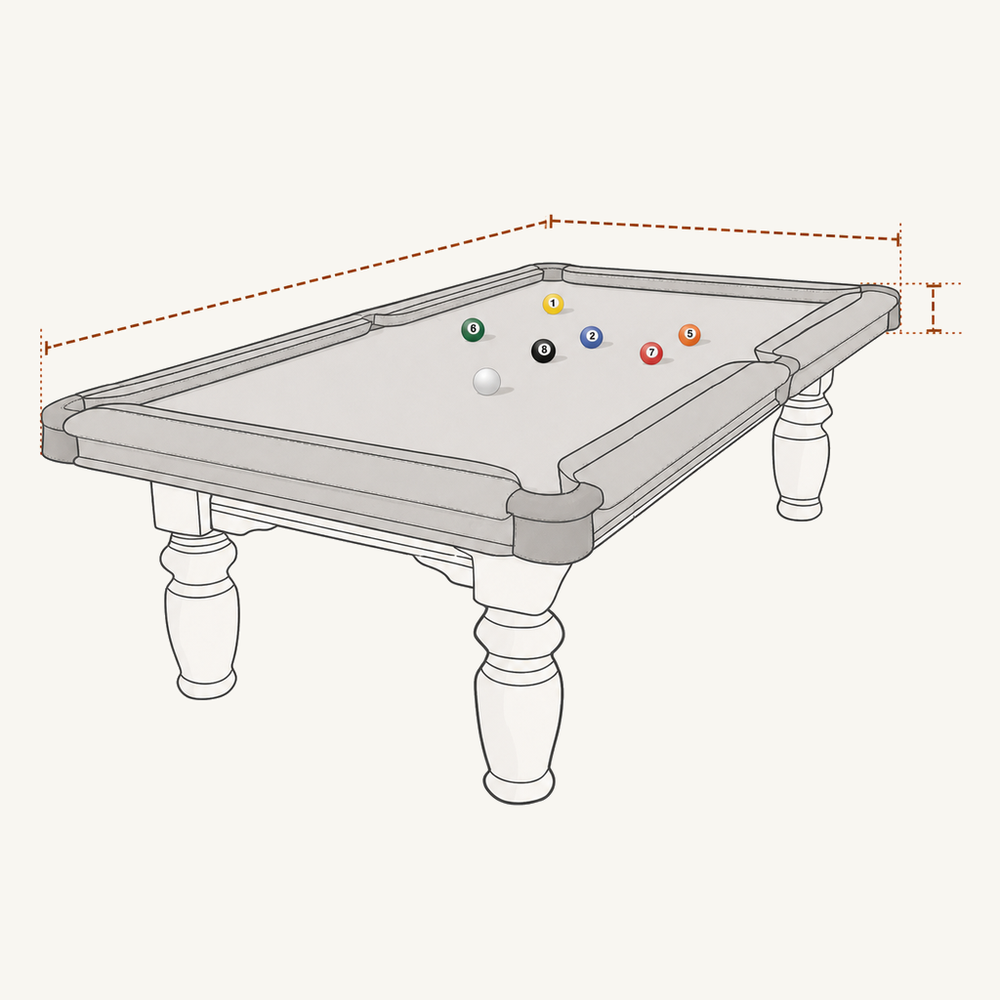
Start with overall width, depth, and height, then map the parts that cross those boundaries:
- pump motor, wet end, strainer lid, and base;
- filter tank diameter, clamp band, gauge, valve, and air-relief assembly;
- pipes, unions, elbows, and valves entering each side;
- drain plugs and low points that must remain reachable;
- electrical conduit and bonded connections;
- wall, fence, or equipment-pad clearance.
Measure from a stable pad edge or equipment base. Annotated photos and the CoversForge measuring guide help translate the irregular assembly into a cover pattern.
Design access panels around real maintenance tasks
Technicians may need to reach the pump basket lid, pressure gauge, multiport valve, drain plug, or unions while the system is inactive. A zippered or hook-and-loop panel can expose that service zone without removing the entire cover.
List each task and show the hand clearance required. An opening that reveals the gauge but blocks the valve handle is not useful. Panels should close securely after inspection and shed water away from the opening.
Keep required airflow and drainage clear
A cover designer should not guess the equipment’s ventilation requirements. Preserve every clearance specified by the manufacturer and local code. Covered mesh vents can support passive drying during storage, but they do not make it safe to operate a motor or heater beneath the cover.
The lower edge should not trap water on the pad. Leave controlled clearance around drainage paths and avoid fastening the cover to plumbing that may move, vibrate, or require service.
Plan pipe cutouts carefully
Where pipes pass through the cover boundary, use shaped openings or closable splits rather than forcing the fabric around hard elbows. Reinforce the edges and orient closures so rain is directed away from the cutout. Removable panels can be useful when pipe runs make a true drop-over cover impossible.
Do not tighten straps against PVC pipes, valve stems, gauges, or conduit. Anchor tie-downs to stable, approved points on the equipment base or pad.
Consider sun, rain, debris, and freeze-season conditions
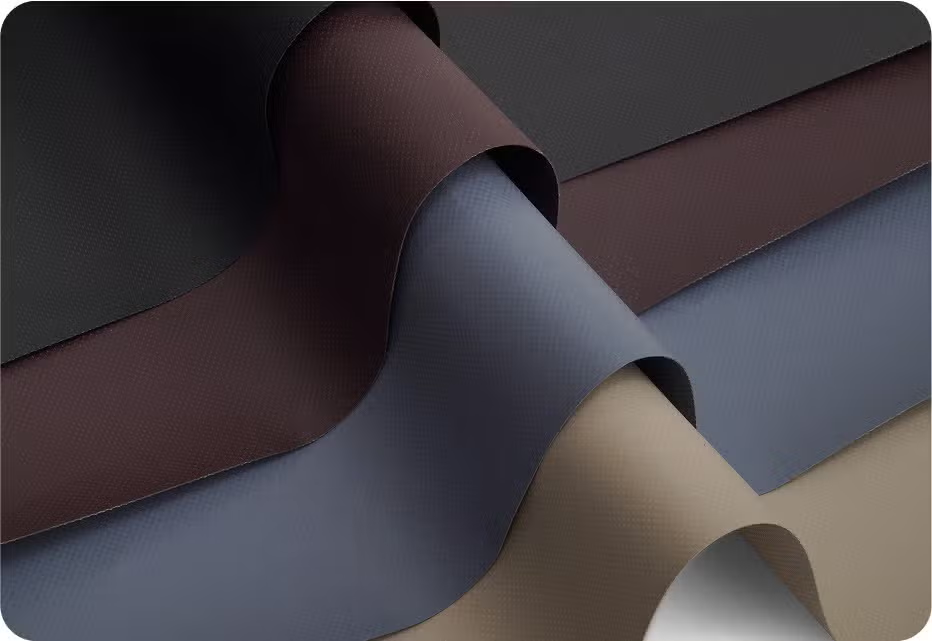
A pool pad may receive intense reflected sun and chemical splash, even when it is not directly beside the water. Choose fabric based on UV exposure, precipitation, handling frequency, and storage duration. Review the weather-ready choices on the CoversForge fabric guide.
A fabric cover does not insulate plumbing automatically. If freeze protection is required, follow a qualified pool professional’s winterization procedure and specify any approved insulation separately.
Make the cover removable by one person
Tall filter tanks can make a one-piece cover heavy and awkward. A vertical zipper, split section, or separate pump and filter covers may be easier to install. Exterior handles should align with reinforced seams, and each section should have an obvious orientation.
For commercial pools, equipment labels or color-coded sections can help maintenance teams return each cover to the correct assembly.
Pool equipment cover specification checklist
- Confirm the approved inactive or off-season use case.
- List every included and excluded component.
- Provide overall dimensions plus filter diameter and pump position.
- Mark pipes, valves, gauges, drains, conduit, and clearance zones on photos.
- Define service panels, pipe splits, vents, handles, and tie-down points.
- Describe sun, rain, debris, freeze conditions, and handling frequency.
Browse more custom equipment covers for other outdoor systems. For an irregular pad or multiple equipment groups, send the photos and dimension map through the custom cover quote form. A safe design begins with the equipment instructions and then builds the cover around accessible, inactive storage.
Share This Article
