 Business




Custom Outdoor Kiosk Covers: Screens, Pedestals, Printers, and Cable Runs
Outdoor kiosks sit in public, semi-public, and commercial spaces where [...]
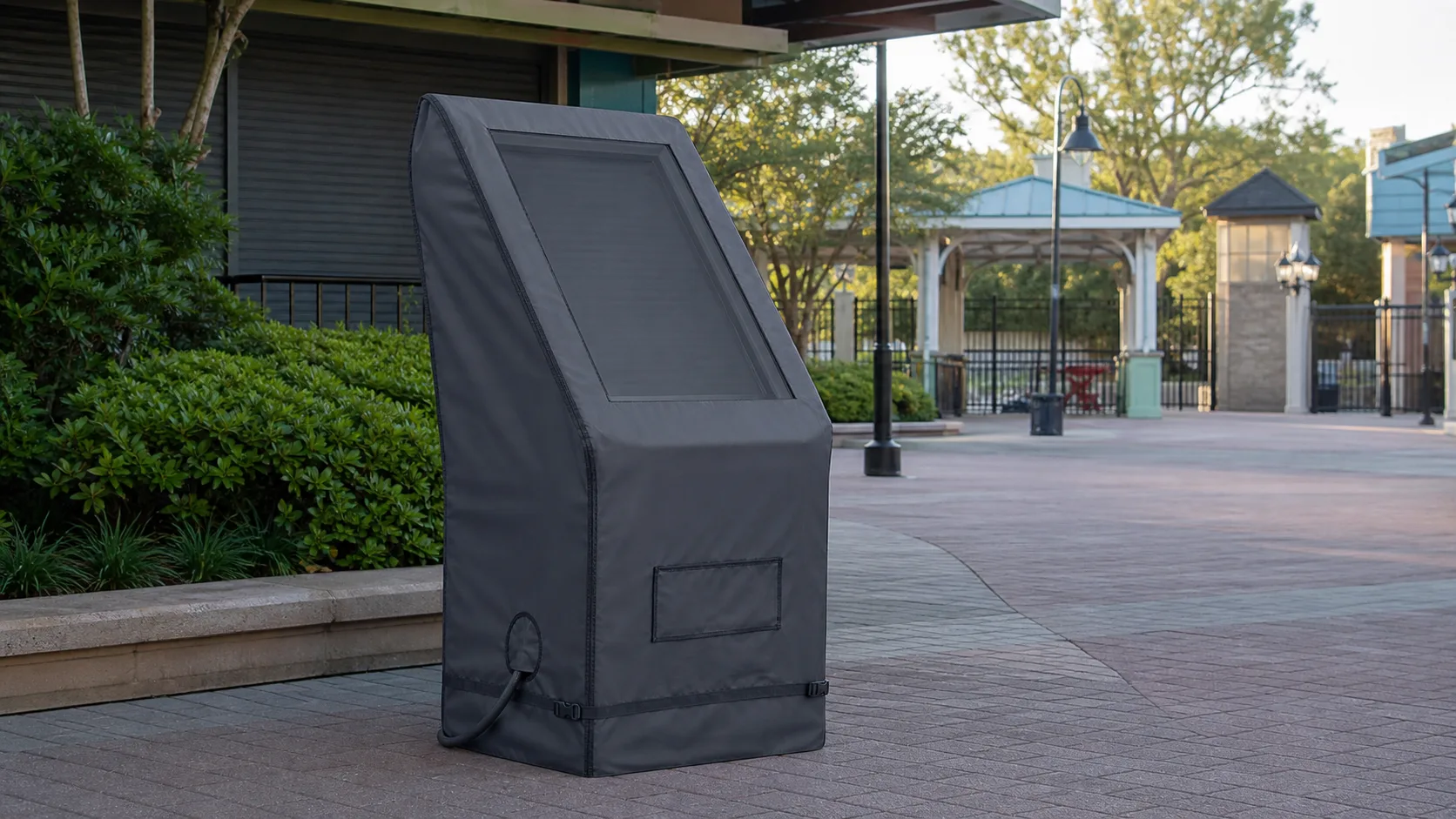
Outdoor kiosks sit in public, semi-public, and commercial spaces where weather protection has to respect screens, payment modules, printers, vents, cable runs, pedestal bases, and opening schedules. Custom outdoor kiosk covers are valuable because the equipment shape is rarely standard and the wrong cover can block the wrong area or leave exposed electronics unprotected.
This product-focused post should capture searches that competitors often mention only broadly under equipment covers. The goal is to move qualified visitors to the kiosk product page with a practical checklist.
Identify the Kiosk Type
A ticketing kiosk, ordering kiosk, parking kiosk, wayfinding screen, check-in station, and outdoor payment terminal may all need different coverage. Before measuring, identify whether the kiosk has a sloped screen, flat monitor, receipt printer, scanner, card reader, keypad, speaker, camera, antenna, or sun hood. Photos should show each side and the pedestal base.
Cover for Closed Hours, Storage, or Seasonal Shutdown
Most kiosk covers are for closed hours or storage, not for active operation. The design should make that usage clear. If a business wants quick nightly coverage, the cover needs simple handling and fast lower fastening. If the kiosk is shut down seasonally, a more complete cover with reinforced areas and cable accommodation may make sense.
Screen and Control Panel Protection
The screen is often the most visible and vulnerable surface. A custom cover can follow the sloped face and reduce loose fabric, but it should not press aggressively against delicate components. If a transparent window is requested, clarify whether visibility is actually needed during storage or whether a solid protective panel is better.
Ventilation and Manufacturer Clearance
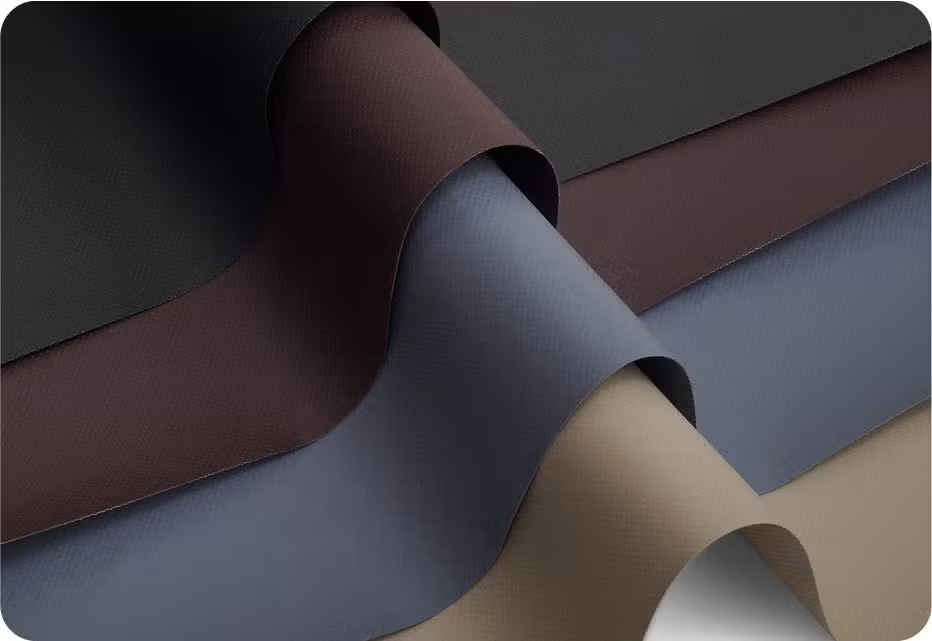
Kiosks may have vents, fans, power supplies, or cooling requirements. A cover should not imply that equipment can operate while covered unless the manufacturer specifically allows it. For storage covers, ensure the kiosk is powered down as required and that the cover design does not trap moisture against sensitive areas. Fabric choice should be reviewed on Our Fabrics.
Cable Pass-Throughs and Access Flaps
Cable runs are common on outdoor kiosks. A pass-through flap can help the cover sit correctly, but it should close securely and avoid directing rain toward the cable entry. If printers or service doors need access, place flaps on the service side and reinforce the edges because technicians may use them repeatedly.
Pedestal Base and Wind Control
Many kiosk covers fail at the base. A loose hem can lift in wind, while a tight hem can be awkward around bolts, plates, wheels, or conduit. Measure the pedestal width, depth, base plate, and any floor-mounted features. Lower straps or buckles can keep the cover stable in plazas, parks, parking lots, and venue entrances.
Internal Link Path
Send product-intent readers to Custom Outdoor Kiosk Covers. Add supporting links to Equipment Covers, Commercial Sales, and Request a Quote for multi-location projects or unusual hardware.
Quote Details That Improve Fit Accuracy
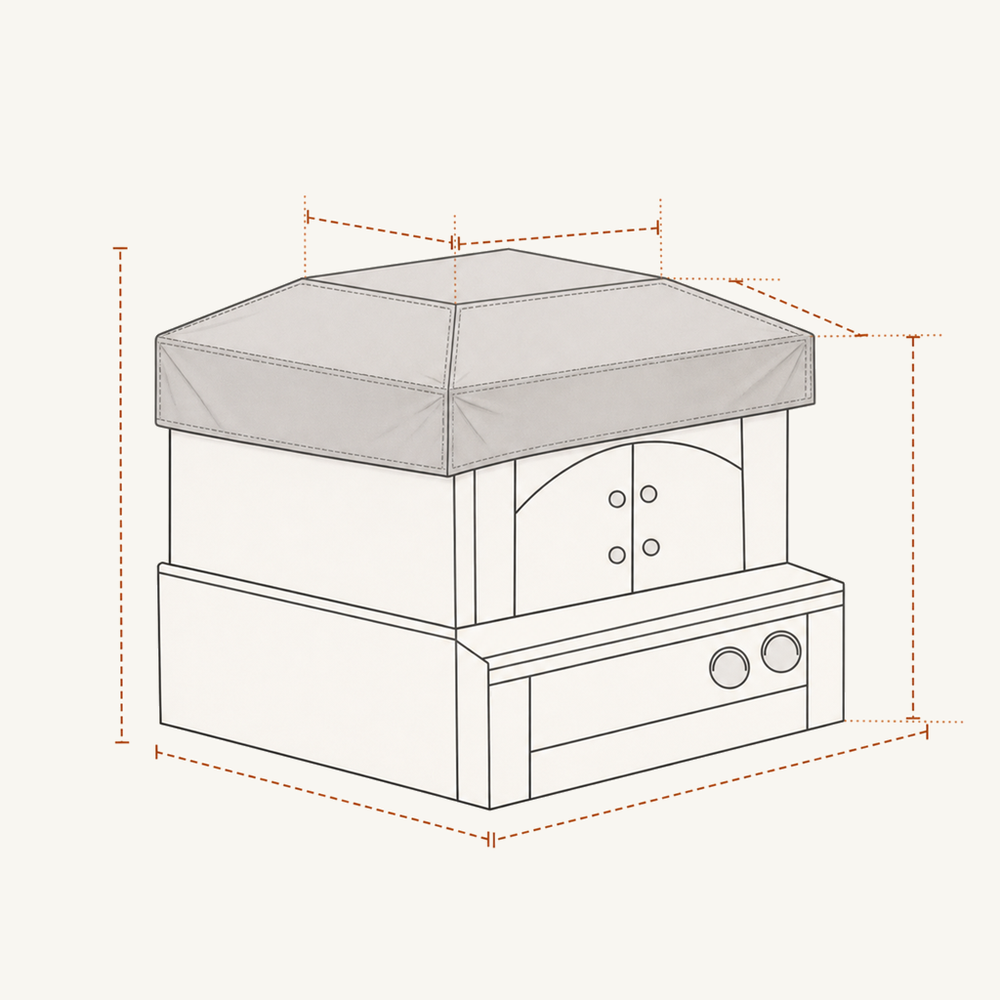
For product-specific covers, send the overall dimensions plus photos that show shape, height changes, controls, wheels, brackets, cables, vents, service doors, and anything that projects beyond the main body. Mention whether the cover is for daily protection, seasonal storage, shutdown, or fleet use. If the asset belongs to a business, include quantity, location count, and whether each unit is identical. These details help the factory decide where to add reinforcement, access, straps, or pattern adjustments.
Cluster Role and Next Click
The role of this post is to win a narrow product search that broader competitor pages often treat too lightly. The content should prove that CoversForge understands the actual object, then direct the reader to the product page for the commercial action. Related links to Equipment Covers, Our Fabrics, How to Measure, and Request a Quote keep the visitor inside a useful path instead of leaving them at a dead-end article.
For buyers managing more than one unit, the post should also encourage repeatable documentation. Keep the final dimensions, approved photos, cover color, fabric choice, fastening method, and any access-flap notes with the asset record. That makes replacement orders easier and helps teams avoid starting from zero when another location adds the same equipment. This is where product SEO and commercial SEO meet: a specific product page wins the search, while the site shows it can support repeat buying.
Share This Article
