 Business





Custom Grill Covers for Smokers: Fit Offset, Pellet, and Kamado Setups
Smokers are harder to cover than a simple rectangular grill. [...]

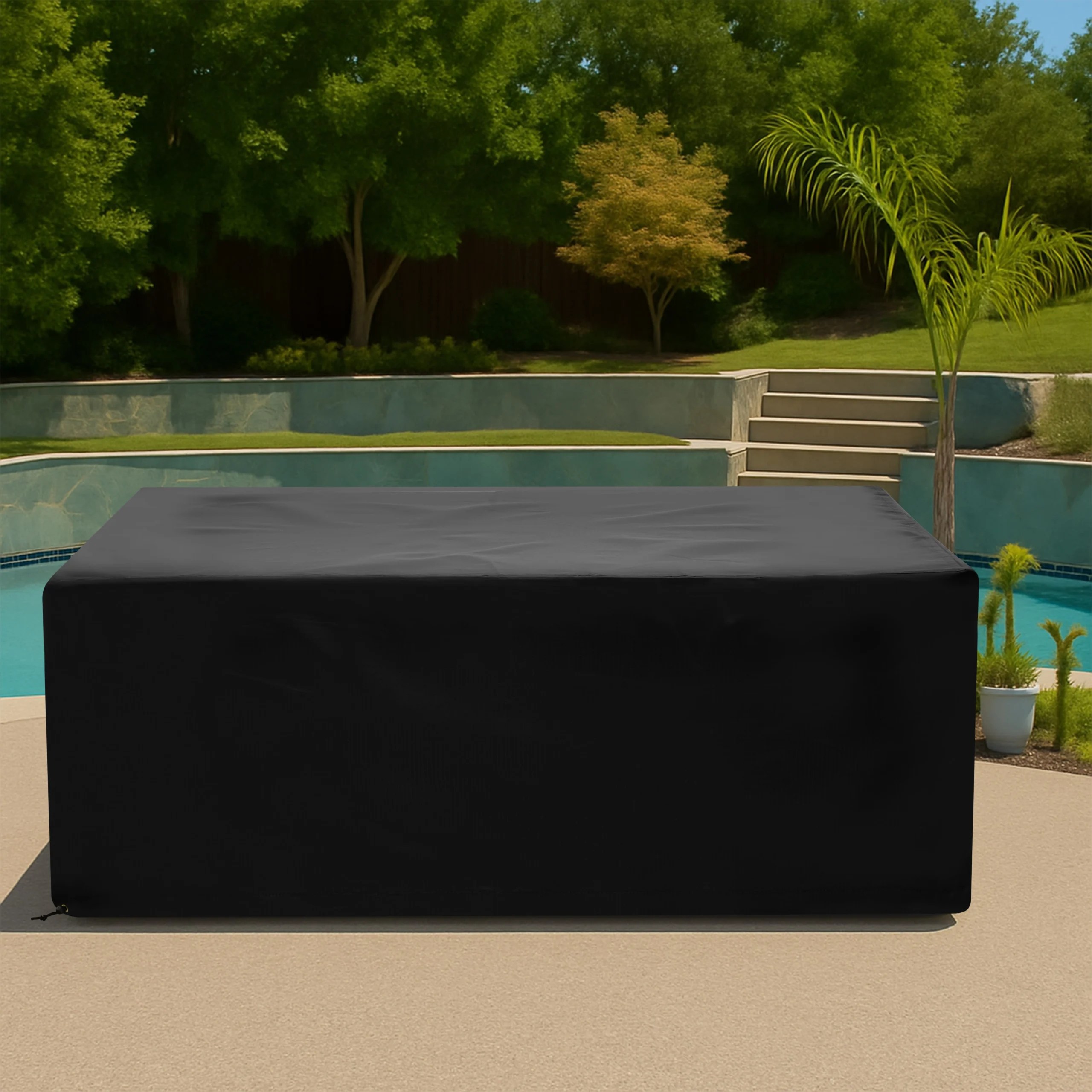
Smokers are harder to cover than a simple rectangular grill. Offset fireboxes, pellet hoppers, tall chimney stacks, side shelves, temperature gauges, handles, and wheel bases all create shapes that generic covers often miss. Custom grill covers for smokers are built around the real stored shape, so the cover protects the cooking chamber without fighting the equipment every time it is removed.
This topic supports the Custom Grill Covers page because smoker buyers usually know the exact problem they need solved. They are not only looking for fabric. They are looking for a cover that fits a specific grill style, protects exposed controls, sheds water, and stays on in wind.
Start With the Smoker Type
Offset smokers need firebox and chimney allowances. Pellet smokers need hopper coverage and a clean shape around control panels. Kamado cookers need a different pattern because the body is rounded and often sits in a cart. Before measuring, identify the smoker style and whether the cover should include shelves, carts, wheels, storage cabinets, and tool hooks. A one-size grill cover may be loose enough to fit, but the extra fabric can collect water, flap in wind, and pull against handles.
Measure the Stored Shape
Take measurements with shelves folded or opened exactly as the smoker will be stored. Record total width, depth, and height, then note each projection: chimney height and width, side shelf length, hopper box, firebox diameter, handle depth, wheel position, and any cover handles that should be added. Use the How to Measure guide for the basic method, then add smoker-specific photos from the front, sides, and top angle.
Plan Around Heat and Cooldown
A smoker cover is for storage, not operation. The grill must cool completely before the cover is installed. This matters for fabric life, coating protection, and safety around chimneys or fireboxes that can retain heat longer than the main body. A good blog-to-product path should make this clear so buyers choose the right cover for protection while keeping normal cooking routines safe.
Water Runoff and Chimney Shape
The chimney area is where many generic covers fail. If the cover tents awkwardly from the stack to the cooking chamber, rain can pool near seams or side shelves. A custom pattern can create a cleaner slope and reduce stress on that high point. For tall stacks, the cover may use a shaped pocket or a modified top profile. For removable stacks, buyers should decide whether they store the smoker with the stack attached.
Side Shelves, Hoppers, and Access Panels
Some smoker owners want a full cover that protects everything at once. Others want access to a pellet hopper, storage shelf, or cabinet without removing the entire cover. Flaps and zipper access can help, but they should be placed where water does not pour directly into the opening. Reinforced edges also matter because shelf corners and hopper boxes are common abrasion points.
Choose Fabric for the Exposure
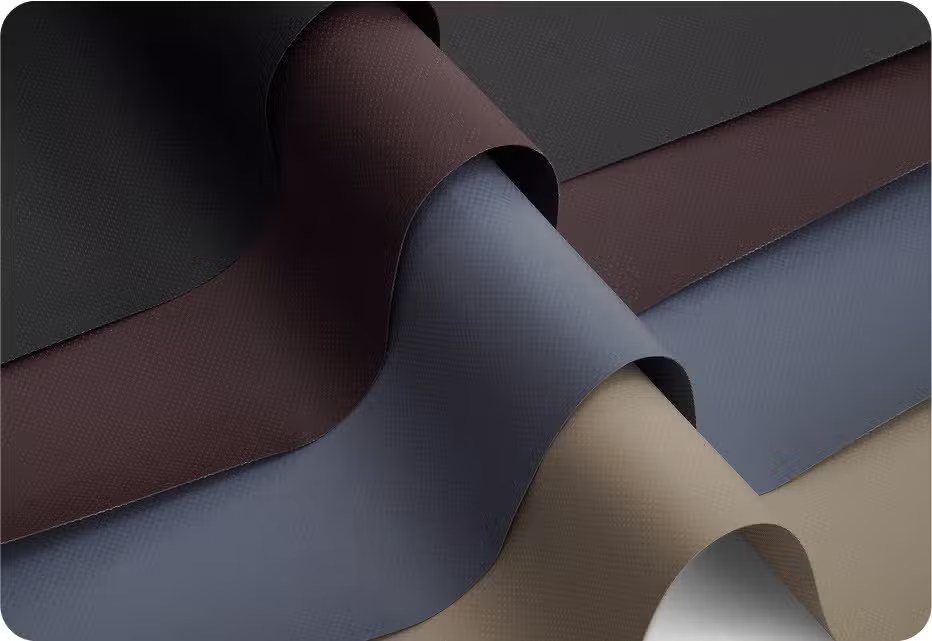
Backyard smokers may sit under a pergola, on an open deck, near a pool, or beside an outdoor kitchen. Fabric choice should follow the exposure. Review options on Our Fabrics and choose a material that balances water resistance, UV exposure, handling weight, and the local wind environment. For frequent cooking, a cover that is easy to remove will get used more consistently.
Turn the Blog Visit Into a Product Page Visit
The internal path should be simple: show the smoker problem, explain the measurement details, then send buyers to the relevant product page. For grill buyers, link to Custom Grill Covers, the broader Grill & Heating Covers category, and Request a Quote when the smoker has a nonstandard cart or attachment.
What to Prepare Before Requesting a Custom Quote
For this keyword, the best conversion happens when the reader can move from learning to ordering without starting over. Prepare the stored dimensions, photos from every side, notes about the weather exposure, and a short explanation of how often the cover will be removed. If the item has wheels, handles, shelves, raised backs, unusual corners, or a tight storage location, include those details in the first request. A custom cover is only as accurate as the information used to build the pattern, so the blog should train buyers to send useful measurements.
How This Supports the Target Page
This article is part of the traffic-capture layer above the target page, not a replacement for it. The post answers the long-tail question, handles objections, and links readers into the money page once they understand the fit problem. It also gives the target page stronger topical support by using related internal links to measuring, fabric selection, and the broader category. That is how a blog post earns its place in the cluster: it sends qualified readers to the relevant target page instead of collecting traffic with no next step.
Share This Article


