 Business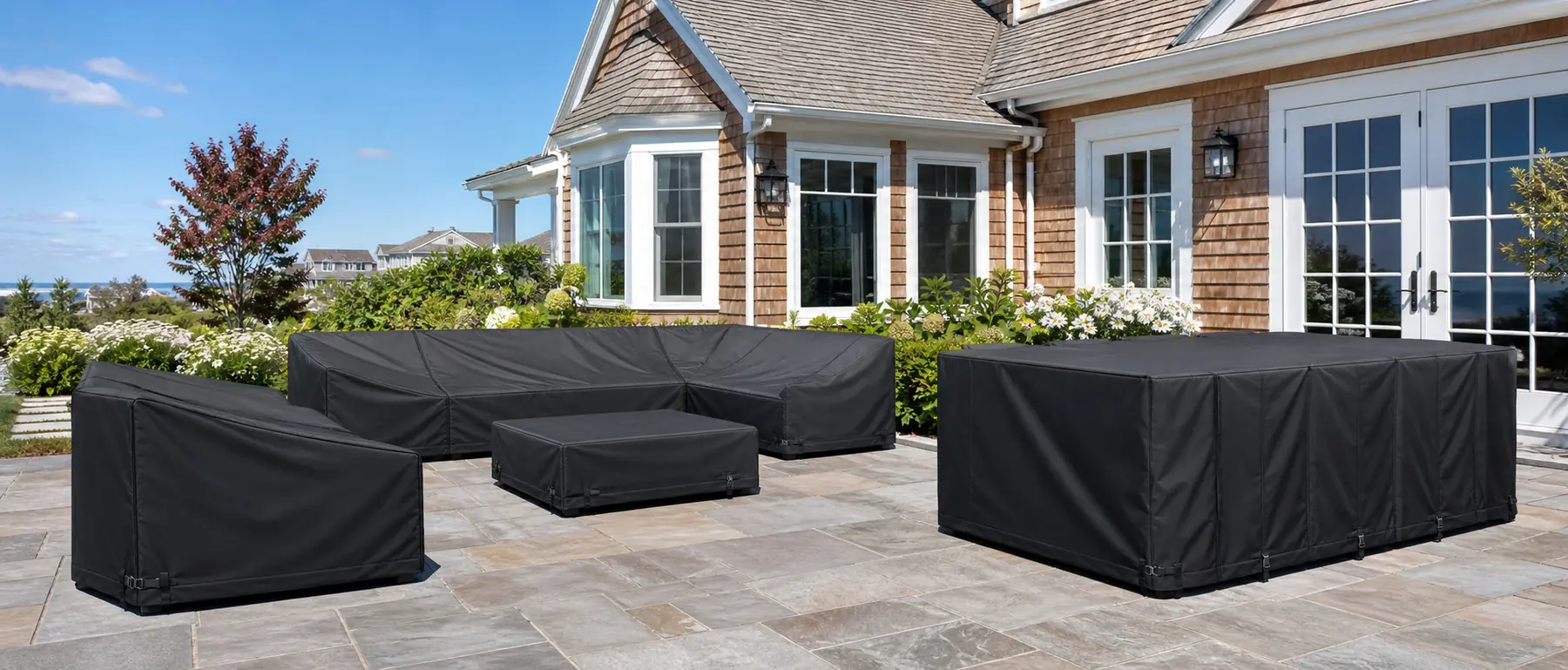




Bulk Custom Covers for Multi-Location Businesses: Standardize Fit Across Sites
A business with several locations does not need five different [...]

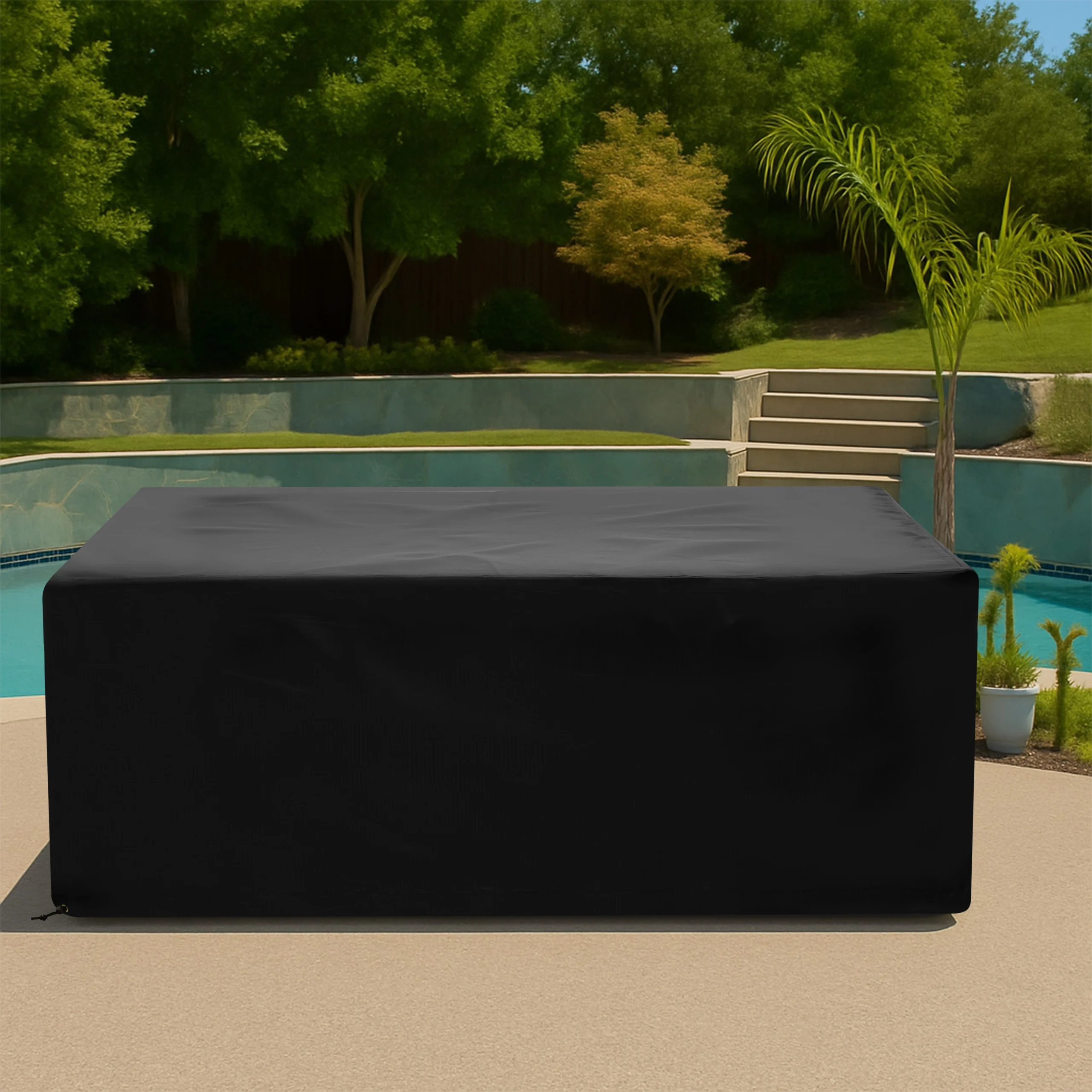
A business with several locations does not need five different cover-buying habits. It needs consistent dimensions, repeatable materials, clear labels, and a supplier who can support reorders when another site opens or a cover wears out. Bulk custom covers for multi-location businesses is a commercial procurement topic because the buyer is solving an operations problem, not just buying fabric.
This article supports the Commercial Sales page. It should attract buyers from restaurant groups, hotels, property managers, school districts, recreation operators, equipment rental teams, and retail chains that protect similar assets across many addresses.
Create One Asset List Before Quoting
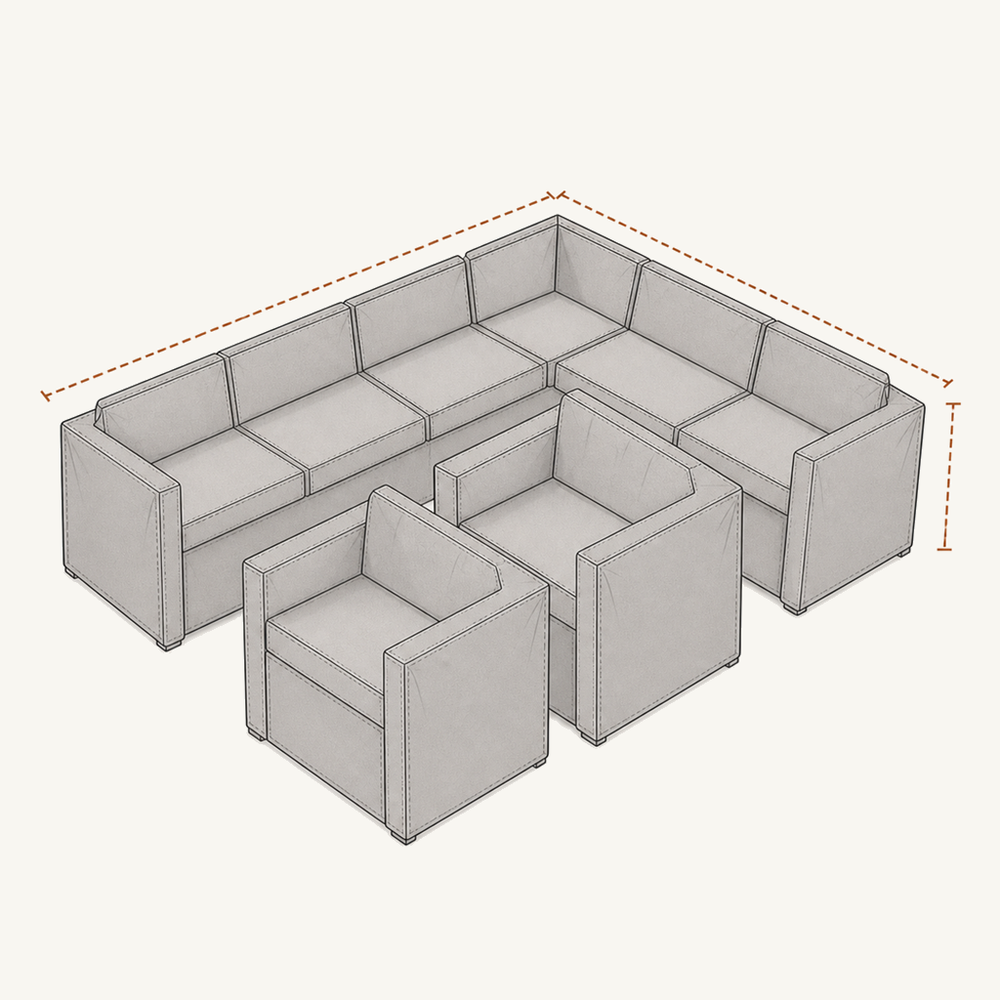
Start by listing every asset that needs a cover: patio furniture, outdoor dining sets, grills, kiosks, carts, pool equipment, palletized inventory, charging equipment, or machinery. Include location, asset name, quantity, dimensions, photos, exposure, and whether the cover is for nightly use, seasonal storage, transport, or shutdown. A clean asset list lets a manufacturer spot duplicate patterns and group covers by type.
Standardize Where You Can
Multi-location buyers save time when they standardize common cover types. If twenty restaurants use the same outdoor hostess stand or dining set, create one approved pattern and use it across locations. If hotel luggage carts differ by brand, group them by model. Standardization reduces measuring errors, speeds production, and makes future reorders easier.
Use Samples Before Full Production
A sample order can confirm fit, fabric weight, closure style, access flaps, logo placement, and staff handling before the whole batch is produced. This is especially useful when covers will be used daily by employees who did not participate in purchasing. A sample that looks good in the office but takes too long to install at closing time needs revision before it becomes a multi-location problem.
Match Materials to Exposure Zones
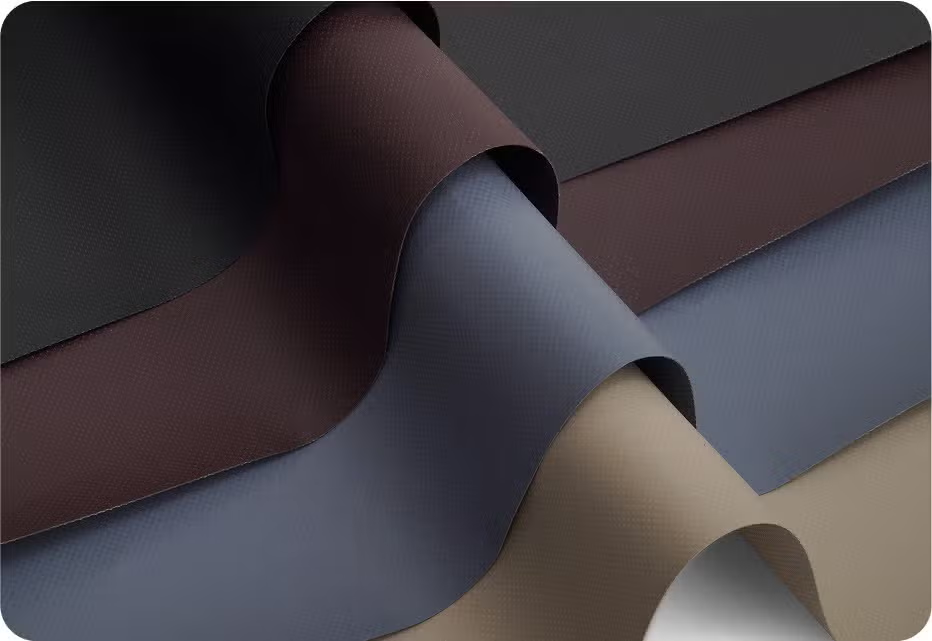
Not every location has the same exposure. A coastal restaurant, mountain property, open parking lot, covered patio, and indoor storage room place different demands on fabric. Review Our Fabrics and create material rules by exposure zone rather than picking one material for every item. This gives procurement consistency while still respecting real site conditions.
Labeling and Packaging Matter
Bulk covers can become confusing when dozens of similar pieces arrive at once. Ask for labels, color grouping, size tags, location packaging, or asset codes when needed. A cover marked for Site 12 Patio Sectional A is easier to deploy than a plain cover in a generic box. Good packaging reduces internal labor and prevents the wrong cover from being installed at the wrong location.
Build a Measurement SOP
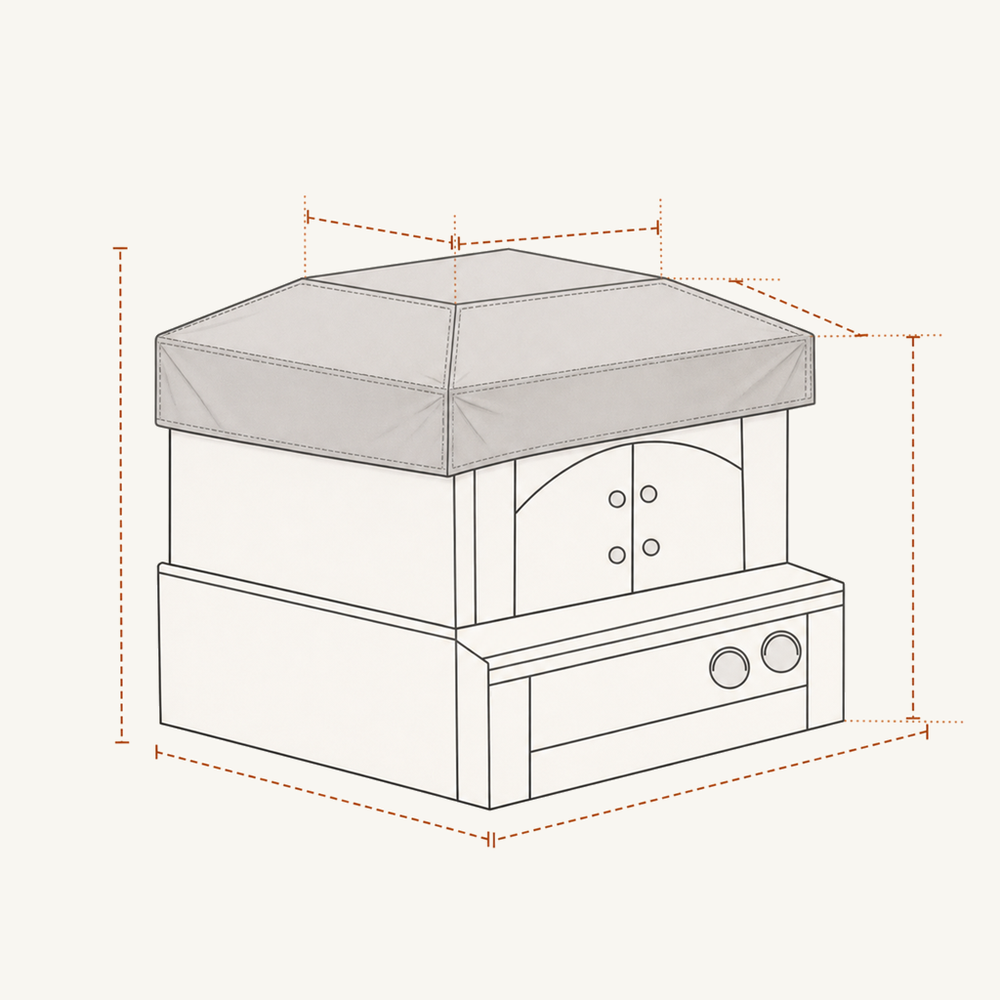
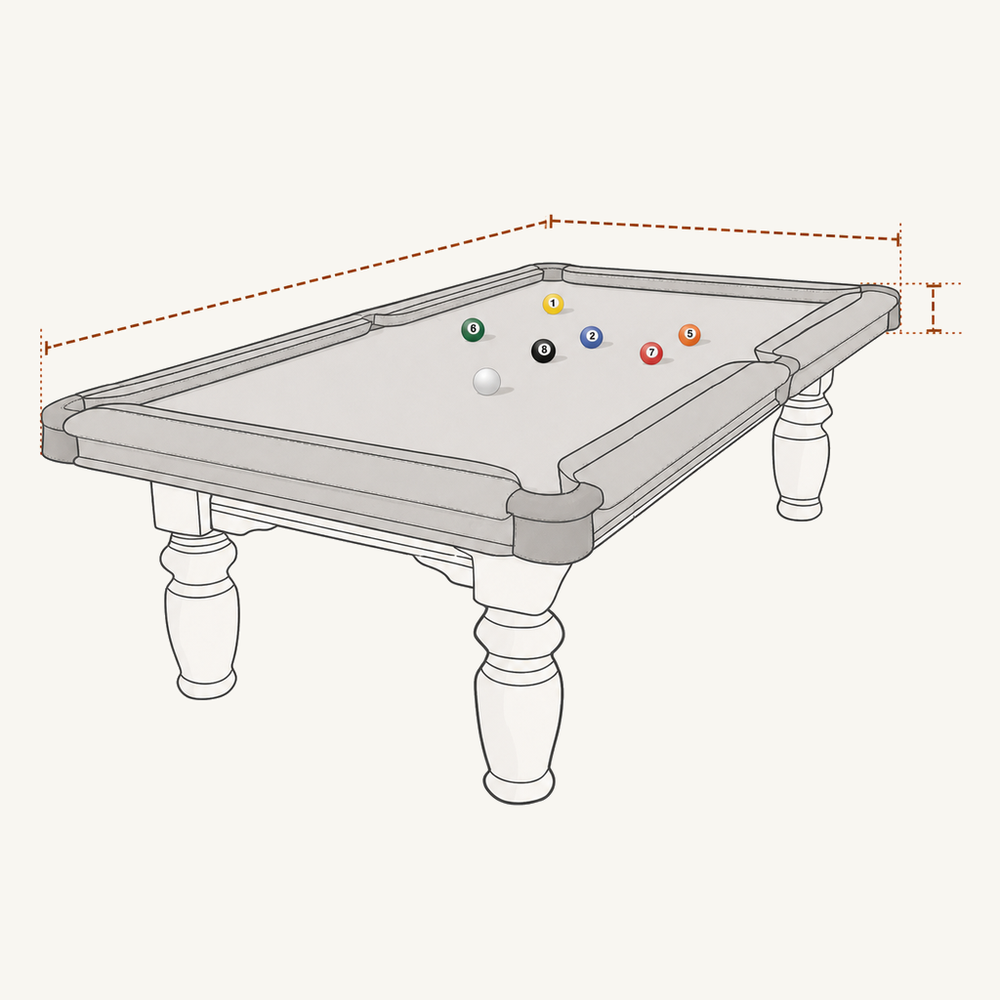
Create a simple measurement standard for every location: who measures, which photos are required, how dimensions are named, and where files are stored. Link internal teams to How to Measure so every branch uses the same baseline. Consistency improves quote accuracy and makes the manufacturer a better partner because the inputs arrive in a predictable format.
Plan for Reorders and New Sites
The first order should create a system for later orders. Store final dimensions, approved product photos, fabric choice, color, closure style, and pattern notes. When a new location opens, the business can reorder proven covers instead of starting from zero. This is where Commercial Sales should become the main conversion page rather than a single product page.
Connect Product Clusters to Commercial Demand
A multi-location buyer may enter the site through a narrow product search such as pallet covers, kiosk covers, grill covers, or patio furniture covers. Internal links should guide those readers toward a broader commercial program when the quantity, repeatability, or number of locations grows. This post should link to Custom Covers, Request a Quote, and Business Inquiries so the commercial path is unmistakable.
What to Prepare Before Contacting a Manufacturer
Send a spreadsheet with asset names, quantities, locations, dimensions, photos, fabric expectations, color preferences, fastening needs, deadlines, and packaging requirements. If a cover will be installed by store staff, maintenance crews, warehouse teams, or seasonal workers, include that workflow in the brief. The best manufacturer response will not only quote a price; it will also identify where a sample is useful, where a standard pattern can repeat, and where the buyer should separate assets into different groups.
Why This Post Belongs in the SEO Cluster
This page is designed to catch procurement research before the buyer searches only for a brand or marketplace listing. It connects the commercial question to Commercial Sales, Business Inquiries, Custom Covers, and Request a Quote. Future product posts can link back here whenever the buyer has multiple locations, repeat orders, or a mixed asset list. That structure helps CoversForge compete for both the narrow product searches and the bigger commercial program searches.
Share This Article
