 Business





Adirondack Chair Covers: Measure Sloped Backs, Wide Arms, and Footrests

Adirondack chairs look simple from a distance, but they are [...]

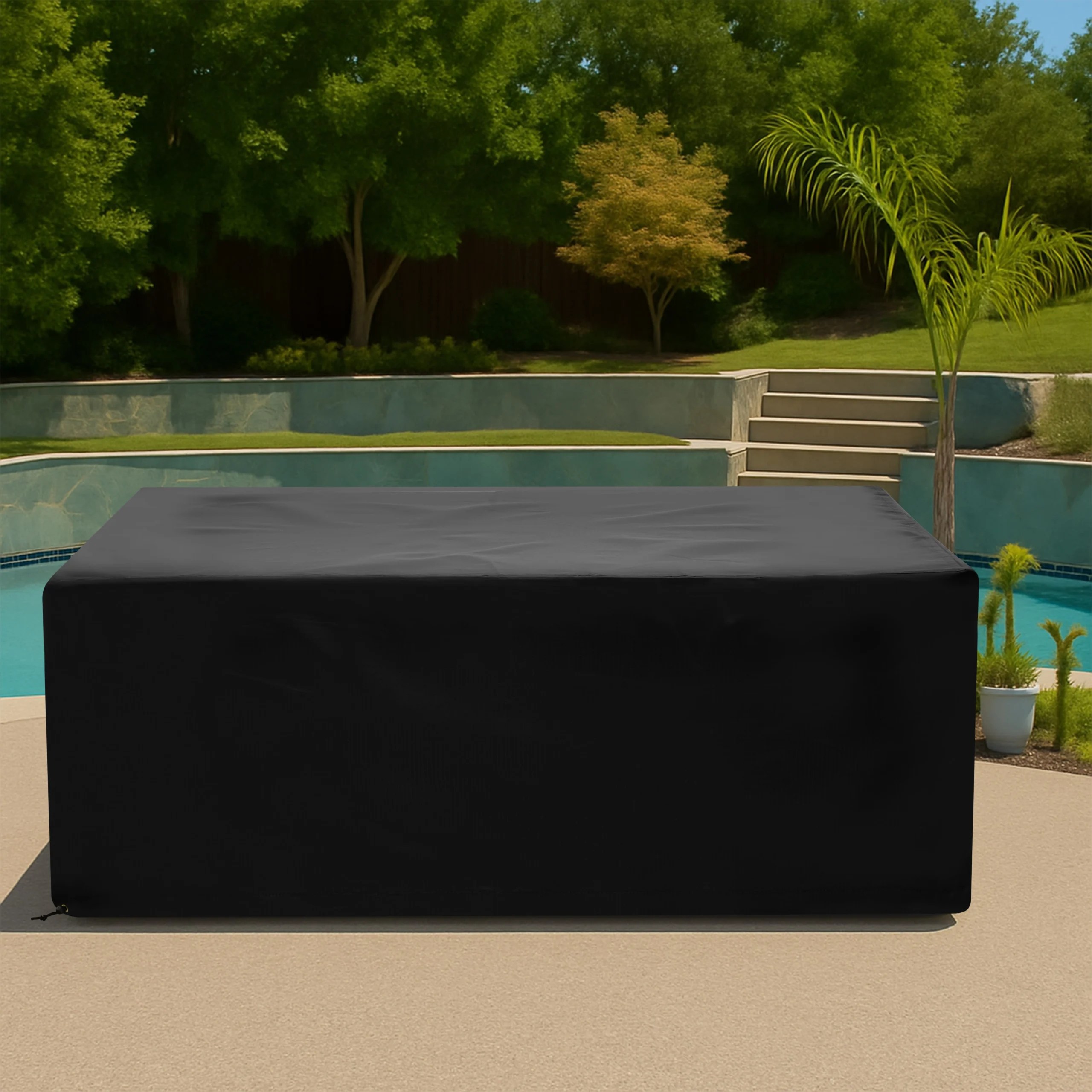
Adirondack chairs look simple from a distance, but they are not simple rectangles. Wide arms, a deep reclined seat, a tall angled back, curved leg positions, and optional footrests all create places where a generic cover can sag, pull, or leave exposed edges. Custom Adirondack chair covers solve that fit problem by following the real geometry of the chair instead of treating it like a box.
This is the kind of product-specific long-tail search where a made-to-measure cover can compete well against broad marketplace listings. Buyers are not only looking for any patio chair cover. They are looking for a cover that understands the Adirondack shape, installs easily, stays secure in wind, and protects wood, poly lumber, resin, or metal frames through daily weather exposure.
Why Adirondack Chairs Need a Different Cover Shape
The reclined profile is the biggest difference. A standard chair cover may fit the back height but still hang loosely over the seat or arms. That extra fabric can collect water, flap against corners, or drag across the ground. A fitted Adirondack pattern should account for the angle from the top back rail down to the seat and the way the arms project forward.
Wide arms also matter. They often hold drinks, books, cushions, or side accessories, so they tend to be broader than regular dining-chair arms. If the cover is too narrow, it can pull at the seams. If it is too wide, the lower edge becomes loose and harder to secure.
Measure the Outside Shape, Not Just the Seat
Start with the full outside width at the widest point, usually across the arms. Then measure the total depth from the back-most point to the front-most point of the legs or footrest. Height should be taken from the floor to the highest part of the back, not just the seat back cushion height.
- Overall width: Include the widest arm position and any side accessories.
- Overall depth: Measure from rear leg or back rail to the front edge of the chair or footrest.
- Total height: Measure from floor to the highest back point.
- Arm height: Record the arm height because it affects side-panel shaping.
- Back angle: A side photo helps the production team understand the recline.
The CoversForge measuring guide is a useful base, but Adirondack chairs benefit from clear side-view photos because the back angle is difficult to describe with numbers alone.
Wood, Poly Lumber, Resin, and Metal Frames
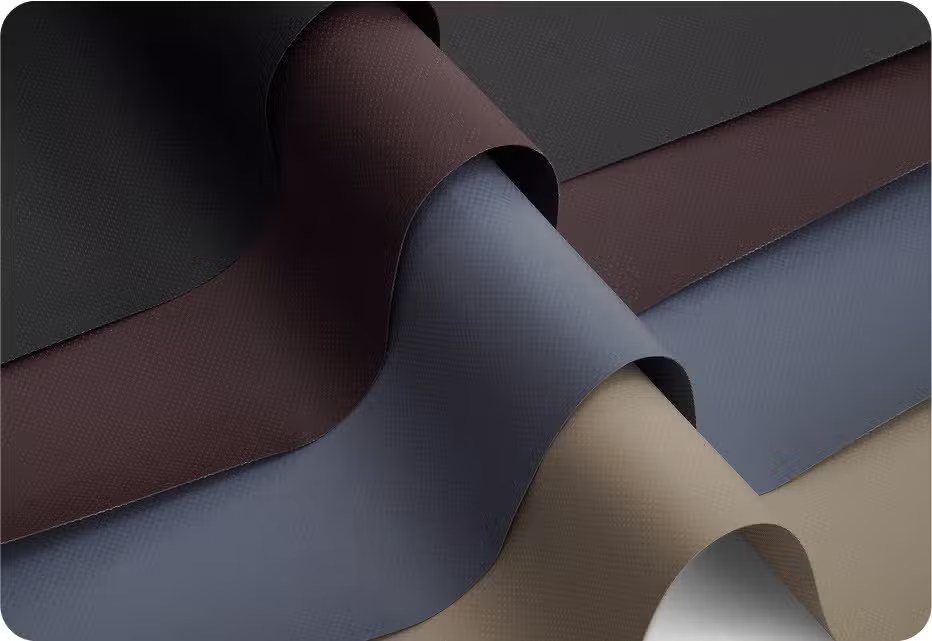
Different Adirondack materials create different protection priorities. Wood chairs need moisture management because trapped dampness can affect finish and joints. Poly lumber resists many outdoor conditions but still benefits from UV and dirt protection. Resin chairs may be lighter and more likely to move in wind, so secure lower straps become more important.
Metal Adirondack chairs can have sharper edges or thinner arms. For these, reinforcement at high-contact corners may help reduce abrasion. The best material choice depends on the exposure level, how often the cover is removed, and whether the chair stays outside year-round.
Plan for Footrests and Ottomans
Some Adirondack setups include a matching footrest or ottoman. Decide whether you want one cover for both pieces or separate covers. A single combined cover can look clean when the footrest always stays in position, but separate covers are easier if the chair and footrest are moved independently.
If the footrest slides under the chair, measure the stored configuration. If it sits in front, measure the full combined footprint and photograph the exact layout. A custom cover should be built around the way the furniture is actually stored, not the way it appears in a catalog image.
Drainage and Water Pooling
The reclined Adirondack shape can help water shed off the back, but the seat area may still collect water if the cover is loose. A tighter pattern with planned seam lines reduces low spots. If the chair has a deep bucket-style seat, consider whether the cover needs slight shaping or enough tension to keep the top surface from sagging inward.
Water resistance is important, but shape is just as important. Even strong fabric performs better when water can run off instead of sitting in folds. Review outdoor material options on the CoversForge fabric page before choosing a cover for exposed sun, rain, or seasonal storage.
Wind Security and Daily Handling
Adirondack chairs are often placed on open patios, fire pit areas, porches, and lake houses where wind can lift a loose cover. Buckled straps, drawcord hems, or lower fastening points can help the cover stay in place. The fastening style should match how often you use the chair.
If the chair is used every day, the cover should be easy to remove and fold. If it is stored for months, a more secure seasonal setup may be better. For multiple chairs, label each cover or standardize dimensions if all chairs are identical.
When a Custom Cover Is Worth It
A generic chair cover can work for short indoor storage, but custom sizing becomes valuable when the Adirondack chair is expensive, unusually wide, paired with a footrest, exposed to strong weather, or part of a coordinated outdoor seating area. A made-to-measure cover helps protect the chair while keeping the patio looking organized.
To plan a cover, visit the Custom Adirondack Chair Covers product page, compare related patio furniture covers, or send measurements and photos through Request a Quote. The more accurately the cover follows the wide arms and sloped back, the better it can protect the chair without excess fabric.
Share This Article


