 Business





Fabric and Fit Work Together: Why Accurate Measurements Improve Cover Performance

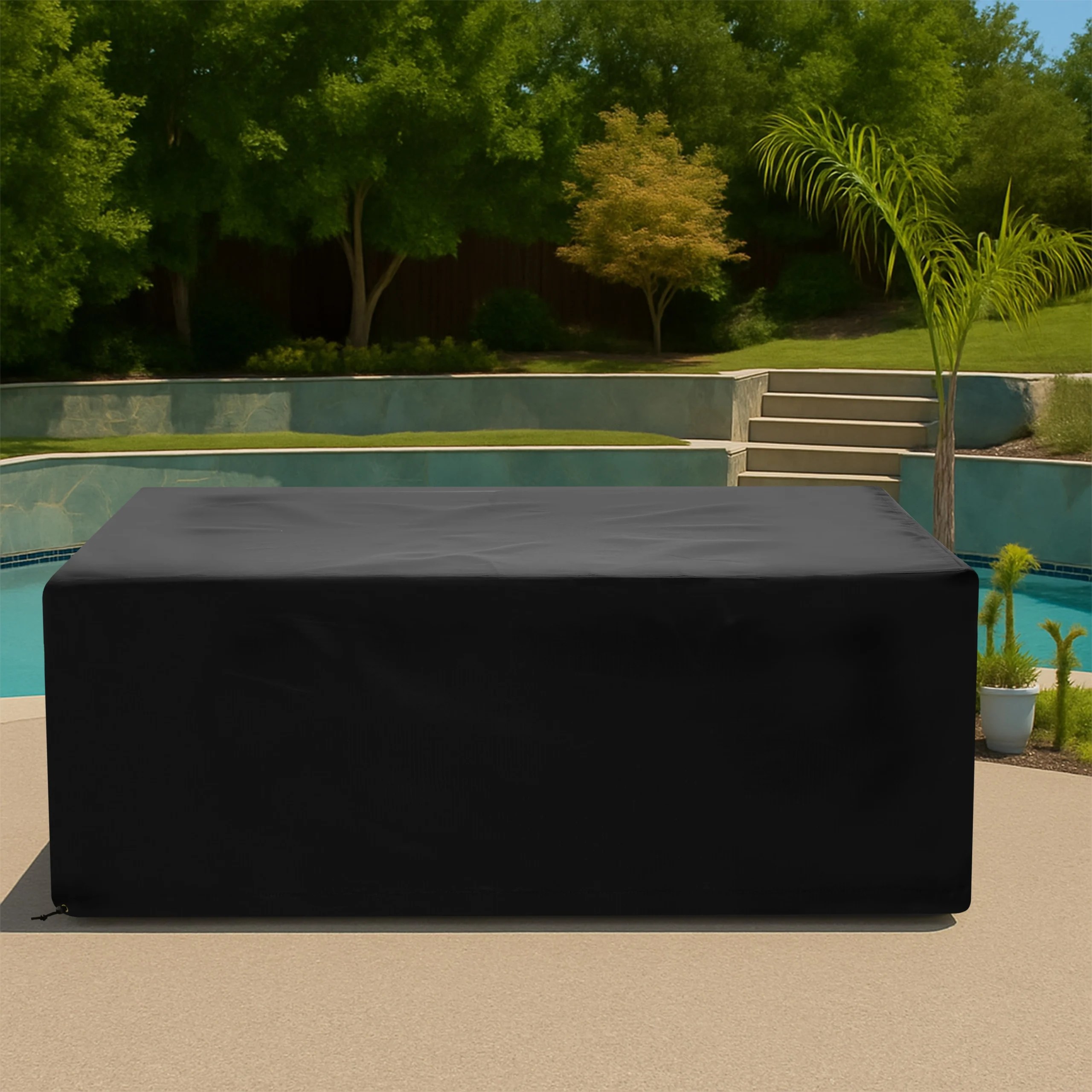
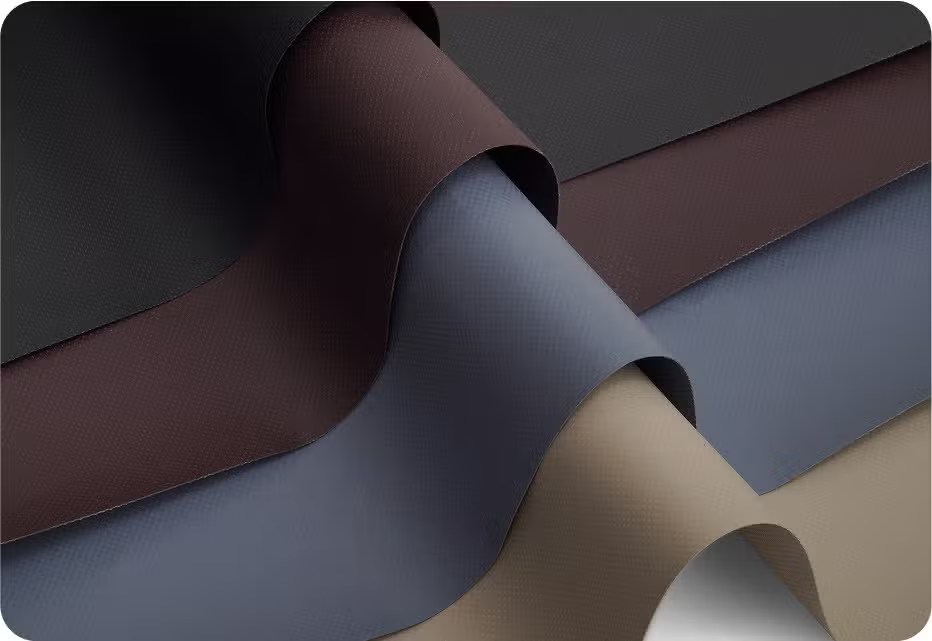
Waterproof fabric, UV resistance, and reinforced Oxford construction perform best when the cover is measured correctly and built around the real object.

Outdoor cover performance depends on two things working together: the fabric and the fit. Waterproof Oxford fabric, UV-resistant backing, reinforced construction, vents, straps, and handles all matter. But even the right material can underperform if the cover is made from incorrect or incomplete measurements.
A custom cover should be built around the actual object it protects. That includes the widest point, deepest point, highest point, and any shape details that affect how the cover slides on, stays in place, and handles wind or daily use.
A Good Fabric Still Needs the Right Size
Waterproof fabric helps keep moisture out, but size and shape affect where water collects. If a cover has too much loose fabric, water may pool in low areas and wind may lift the cover. If a cover is too tight, stress can build around seams, corners, shelves, or raised details.
Accurate dimensions help the fabric sit closer to the intended shape. This makes the cover look cleaner and helps practical features such as tie-downs, drawcords, vents, and handles work more effectively.
UV Protection Works Better with Stable Coverage
UV-resistant fabric is designed to help defend against sun exposure, fading, and outdoor wear. But the cover needs to stay positioned over the item to protect the right surfaces. A loose cover can shift in wind. A short cover may leave exposed edges or surfaces. A poorly measured cover may not protect the areas that need it most.
For high-sun patios, grills, and exposed equipment, consider both the fabric option and the cover dimensions. CoversForge Cover Pro, for example, is designed for stronger sun exposure and radiant heat, but the final result still depends on accurate measuring.
Reinforced Fabric Helps Demanding Shapes
Heavy-duty reinforced fabric can be useful for large covers, equipment, boats, machines, and shapes with rougher handling. CoversForge Cover Ultra uses reinforced grid Oxford construction for stronger tear and abrasion resistance. It is a good starting point when wind, movement, corners, or repeated installation may increase stress.
For these projects, photos and notes are especially helpful. Show corners, handles, wheels, shelves, chimneys, slopes, and cut-outs so the cover can be planned around the actual shape.
Measure Before Choosing Final Details
After recording width, depth, height, diameter, or special shape dimensions, think through how the cover will be used. Will one person remove it regularly? Does the cover need handles? Is the area windy? Should the cover include vents or extra fastening details? Will the item be stored seasonally or used every week?
These answers help connect fabric choice, measurements, and functional details into one practical cover plan.
Review Everything Before Production
Custom covers are made according to the submitted measurements and details. Before ordering, check the units, numbers, left/right direction, fabric, color, and special features. For unusual items, send photos before production starts.
To prepare your order, review How to Measure, compare material options on Our Fabrics, or begin with Custom Covers.
Share This Article

Written by : CoversForge
Follow Us
Latest Articles
September 8, 2026
September 8, 2026