 Business





AC Unit Covers Outdoor: When to Use Top Covers, Full Covers, or No Cover

Searches for AC unit covers outdoor products can lead to [...]
Searches for AC unit covers outdoor products can lead to one dangerous assumption: that every condenser should be wrapped whenever it is not actively cooling. In reality, the correct protection depends on the equipment type, season, manufacturer instructions, and whether the system may run for cooling or heat-pump operation.
A top-only debris guard, a full off-season cover, and no cover at all serve different situations. This guide helps homeowners document the unit and ask the right safety questions before choosing any option.
Identify the equipment before choosing a cover
Confirm whether the outdoor unit is a cooling-only condenser, a heat pump that operates in winter, or part of another HVAC system. Find the model number and read the manufacturer’s installation and seasonal-care guidance. If the unit may run, do not obstruct its intake, exhaust, service access, or required clearances.
When instructions are unclear, ask a licensed HVAC professional. A fabric cover is not a substitute for electrical service, coil repair, pest control, or correcting drainage around the equipment pad.
Know when no cover is the safest option
Many outdoor condensers are designed to tolerate normal weather. Leaving the unit uncovered may be appropriate when the manufacturer does not recommend a cover, the system operates year-round, or a cover would restrict airflow or retain moisture.
Heat pumps need unobstructed airflow during cold-weather operation. Even a loose or partial cover can be drawn toward the fan or coils. Never rely on a thermostat setting alone; follow lockout and maintenance procedures provided by the equipment maker or service technician.
Use a top cover only for a defined debris problem
A top-only guard can help with falling leaves, seeds, ice, or roof runoff in some approved installations while leaving the side coils open. It must be sized and secured so it cannot sag into the fan, slide across the cabinet, or become airborne.
Measure the cabinet top, fan opening location, corner radius, and any raised grille. Document service-panel access and the direction of roof drainage. A rigid manufacturer-approved guard may be more suitable than fabric when heavy ice or repeated impact is the concern.
Reserve full covers for a verified off-season
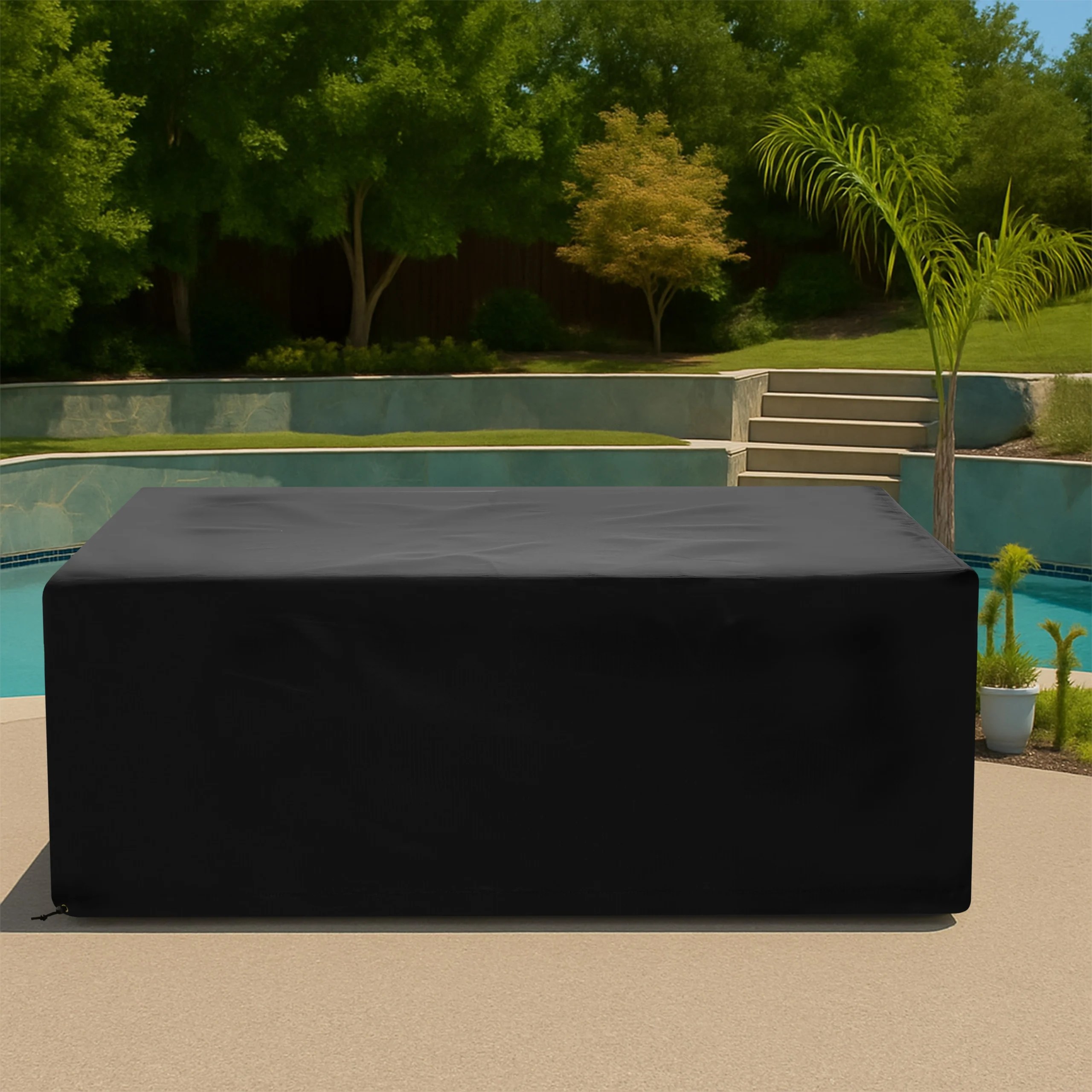
A full cover should only be considered when the unit will remain out of service for the entire covered period and the manufacturer allows it. Confirm the shutdown and restart process with an HVAC professional. A heat pump, shared system, or unexpectedly activated condenser must never run inside a full cover.
Before installation, clean the area according to the service instructions, let the cabinet dry, and inspect for existing corrosion or damaged wiring. Do not seal moisture, leaves, or pests inside the enclosure.
Measure without blocking required clearances
Record the maximum cabinet width, depth, and height, including the top grille, base flange, disconnect conduit, refrigerant lines, and service-panel handles. Photograph all four sides and the connection area where lines enter the building.
- Do not compress insulated refrigerant lines or electrical conduit.
- Keep the hem away from standing water, mulch, and sharp pad edges.
- Mark the service panel so it is not hidden during maintenance.
- Identify stable fastening points that are separate from fragile fins.
- Record any snow, leaf, or roof-runoff direction that affects exposure.
Manage moisture and pests instead of sealing tightly
Wrapping an outdoor unit as tightly as possible can trap condensation and create a sheltered space for rodents. The protection strategy should balance weather exposure with the equipment maker’s ventilation requirements. Do not place plastic film directly against the cabinet as an improvised winter wrap.
Inspect the base and line openings periodically during the off-season. Remove nests or debris only when it is safe and permitted, and call a professional for damaged insulation, wiring, fins, or refrigerant components.
Create a visible remove-before-operation routine
Every full cover needs a reliable seasonal process. Record the installation date, planned removal date, and responsible person. Use a visible reminder at the thermostat or maintenance log so the system is not started while covered.
After removing the cover, check the fan area, coil surfaces, pad, lines, and disconnect area before operation. Fold and store the cover only when dry. The broader CoversForge article on outdoor AC and TV protection explains additional dust and heat considerations.
Match material and fastening to the approved use
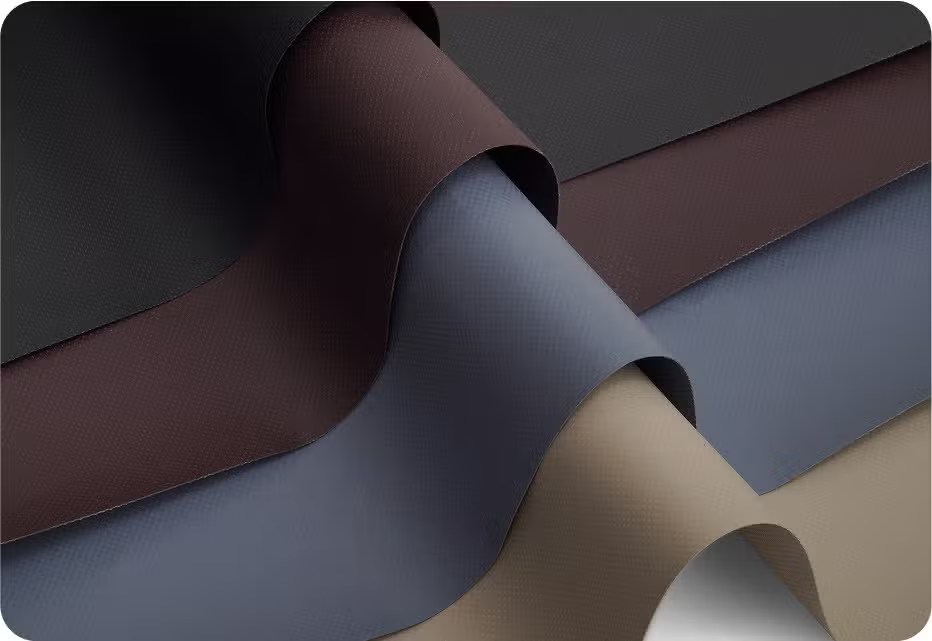
Exposure, storage duration, handling frequency, and cabinet shape affect material choice. A cover that is too heavy can be difficult to remove without scraping fins, while a loose lightweight cover can flap against the cabinet. Review CoversForge fabric options after confirming that a cover is appropriate for the equipment.
Fasteners should remain accessible and must not route through fan grilles, coil fins, service openings, or utility connections. Wind security matters, but not at the expense of safe equipment clearance.
Choose the protection type with the HVAC guidance in hand
Bring the model, operating season, manufacturer recommendation, cabinet dimensions, connection photos, and debris source to the decision. The answer may be no cover, a manufacturer-approved top guard, or a removable full off-season cover with a documented lockout routine.
Browse equipment covers for made-to-measure outdoor protection. If a qualified HVAC professional confirms that a custom cover is suitable, share the exact cabinet and connection details through Request a Quote.
Share This Article

Written by : CoversForge
Follow Us
Latest Articles
September 14, 2026
September 14, 2026
September 14, 2026