 Business





Factory Direct Custom Covers: What Buyers Gain by Working with the Maker

Buying a cover can sound simple until the object is [...]
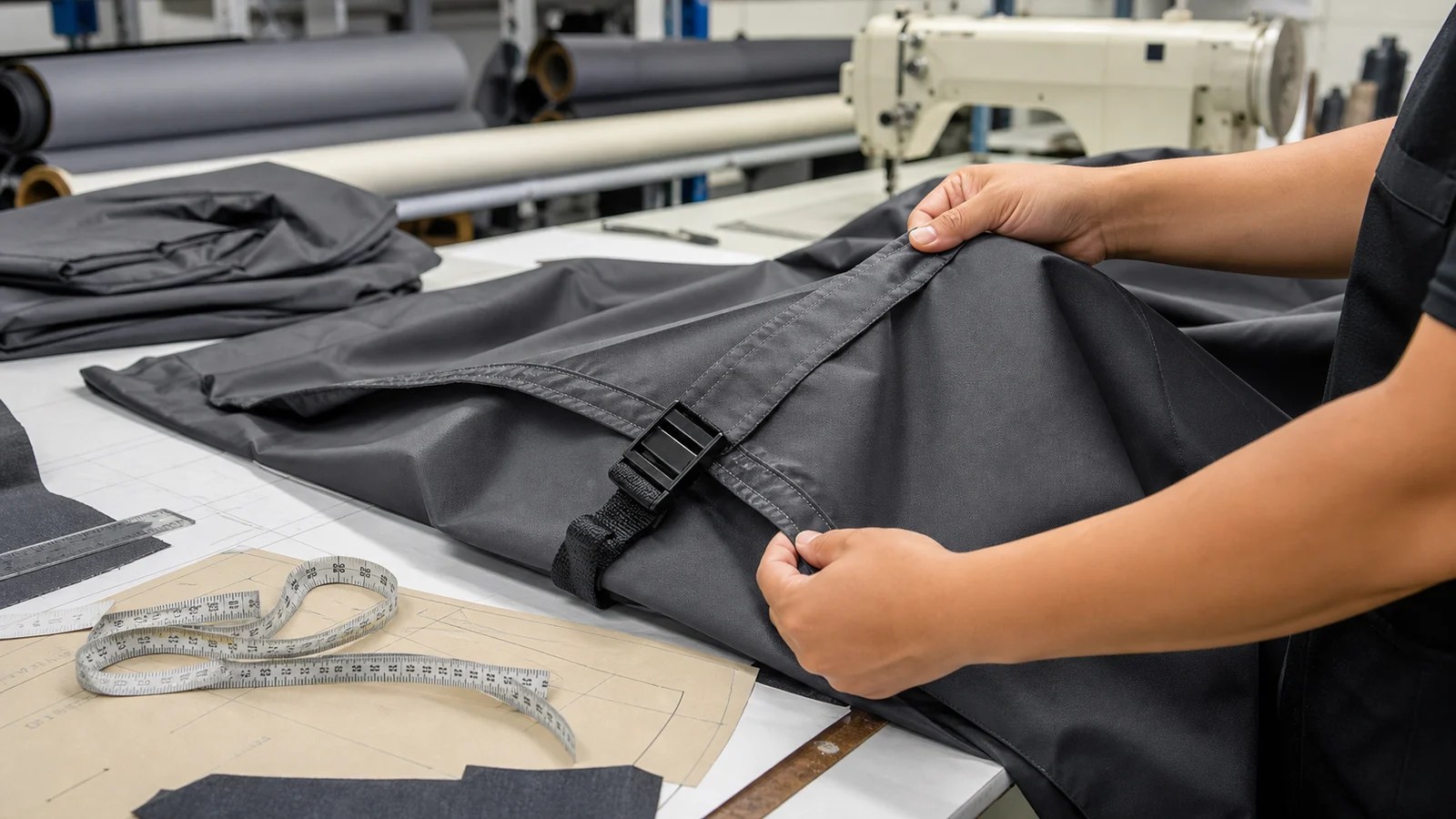
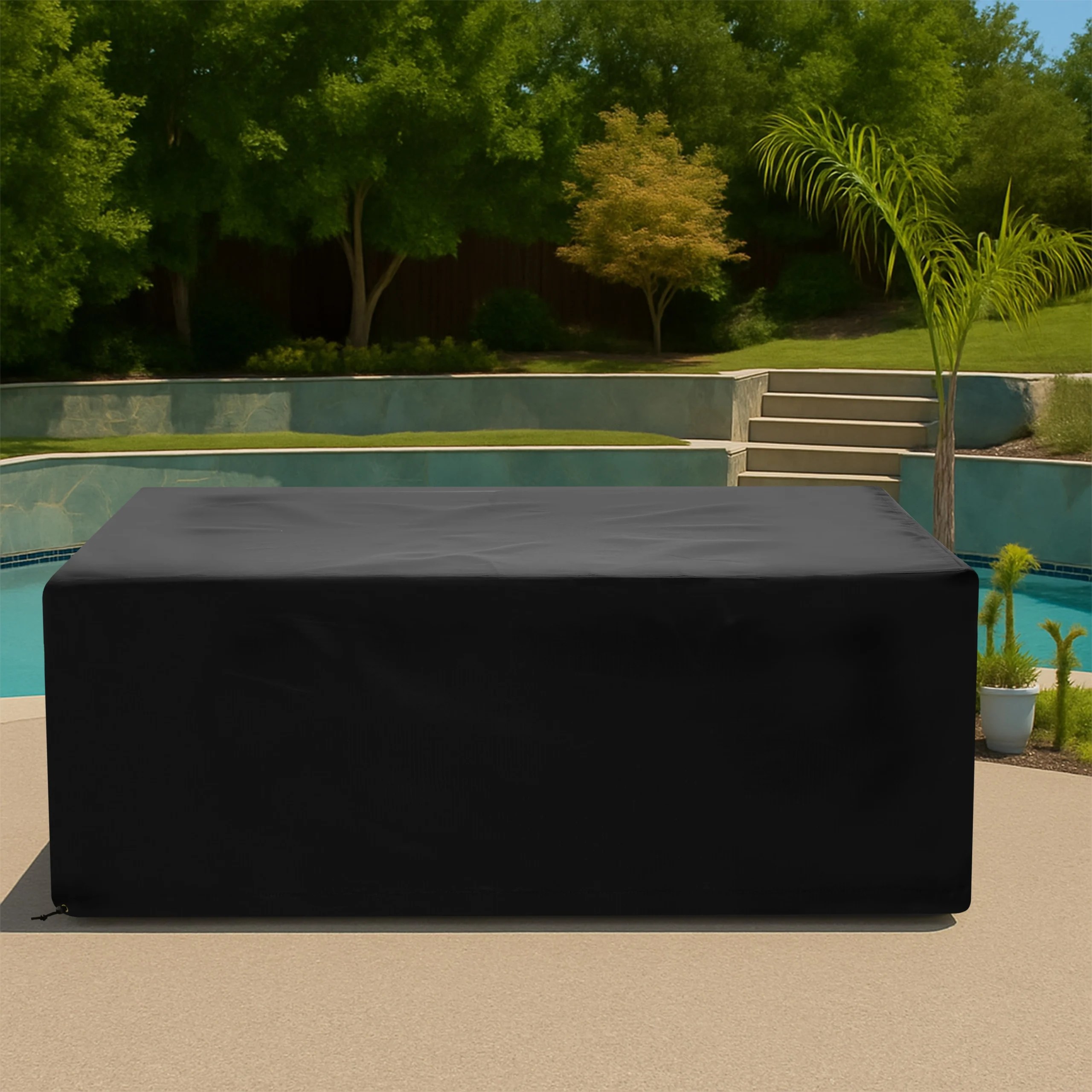
Buying a cover can sound simple until the object is oversized, unusually shaped, exposed to demanding weather, or part of a larger commercial property. In those cases, factory direct custom covers can offer a more practical path than choosing a generic size from a shelf. Working closer to the maker helps align measurements, fabric choices, construction details, and quality checks before the cover is finished.
Factory direct does not only mean price. It can also mean clearer communication about fit, material, production details, and repeat orders. For homeowners, that may help with one difficult patio item. For businesses, it can make multi-location cover programs easier to manage.
Why factory direct can improve fit
A custom cover starts with the real object, not a size label. That matters because many outdoor items have details that standard covers ignore: rounded corners, tall backs, uneven legs, side shelves, wheels, handles, vents, rails, control panels, and built-in accessories.
When measurements and photos go directly into a custom production workflow, the cover can be planned around those details. The result is usually cleaner than adding extra fabric everywhere and hoping the cover tightens down. A better fit helps reduce wind movement, improves appearance, and makes repeated installation easier.
Material choices become more specific
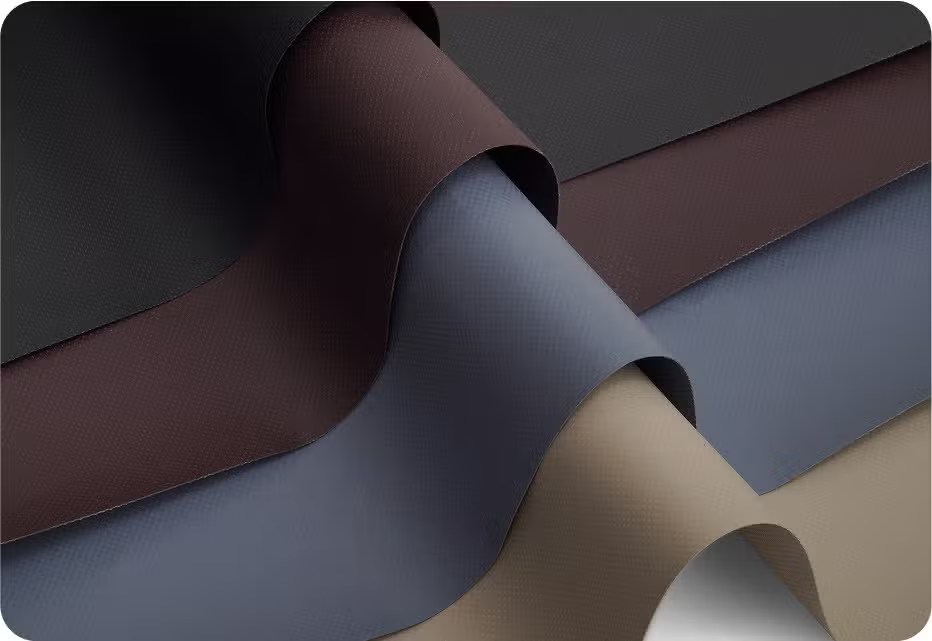
Generic covers usually offer limited material choices. Factory direct custom projects can match fabric to the environment and use case more carefully. A sunny pool deck, damp coastal patio, restaurant terrace, rooftop lounge, and industrial equipment yard should not always use the same cover construction.
- Sun exposure: UV-resistant fabrics help reduce fading and surface aging.
- Rain and humidity: Water resistance, runoff shape, and ventilation become important.
- Frequent handling: Weight, flexibility, and fastening style affect daily usability.
- Commercial use: Consistent color, labeling, repeatability, and replacement planning may matter.
Before choosing a material, compare options on the Our Fabrics page and consider how often the cover will be installed, removed, cleaned, and stored.
Better control over details
Small construction details can make a cover much easier to live with. A strap in the right location can keep the cover secure without making it difficult to remove. A zipper can turn a large cover into something one person can handle. Reinforced corners can protect fabric where sharp edges or tension would otherwise cause premature wear.
Factory direct custom production makes these details easier to discuss before the cover is made. Common options may include reinforced seams, buckled straps, drawcords, split panels, access flaps, labels, vents, clear vinyl windows, or custom edge lengths. Not every cover needs every feature. The value is choosing the features that solve the actual problem.
Quality control is easier to trace
When cover production is direct, there is a clearer path from measurements to patterning, cutting, sewing, inspection, and packing. That makes it easier to check whether the final product matches the intended size, material, and construction notes.
For repeat commercial orders, traceability matters even more. A hotel, restaurant group, property manager, or equipment supplier may need the same cover type again later. Factory direct records can help maintain consistency across batches, especially when the same furniture, carts, appliances, or outdoor stations appear at multiple sites.
Factory direct is useful for bulk and repeat orders
One custom cover can solve a single fit problem. A direct production relationship becomes even more useful when buyers need multiple covers with consistent sizing, branding, color, and construction. This is common for hospitality patios, apartment communities, retail displays, outdoor kitchens, equipment fleets, and restaurant seating areas.
Bulk custom cover projects benefit from organizing measurements before production. Group similar items together. Label photo sets clearly. Confirm whether all items are identical or whether each location has small differences. A little planning up front can prevent mismatched covers later.
Business buyers can start from the Commercial Sales page when a project includes multiple covers, repeated ordering, or property-wide protection needs.
Questions to answer before requesting a quote
The more clearly you describe the project, the easier it is to recommend the right cover. You do not need perfect technical drawings for every order, but you should prepare the details that affect fit and function.
- What object needs coverage? Include the item type, quantity, and whether each unit is identical.
- Where will it be used? Note sun, rain, wind, snow, shade, dust, salt air, or indoor storage.
- How often will the cover be handled? Daily use may need lighter handling and faster fastening.
- What access is needed? Mention doors, controls, vents, handles, wheels, shelves, and service points.
- Are there visual requirements? Color, branding, labels, or a consistent property look may matter.
Photos are as important as dimensions
Measurements provide numbers, but photos explain shape. Send images from the front, back, sides, and top if possible. Include close-ups of corners, protrusions, hardware, and the surrounding space. If the object sits against a wall or railing, show that clearance too.
For complex projects, mark the dimensions directly on photos or provide a simple sketch. That helps the production team understand exactly which edges correspond to each measurement and which features need to stay accessible.
When to choose factory direct custom covers
Factory direct custom covers are most useful when standard sizes do not fit, when the item has unusual geometry, when the cover must look professional, or when multiple covers need consistent construction. They are also a good choice when the buyer wants more control over fabric, fasteners, access points, and long-term reorder planning.
To begin, prepare measurements, photos, quantity, material preferences, and usage notes. Homeowners can use Request a Quote for one-off projects, while business buyers can submit larger requirements through Business Inquiries. Working directly from real dimensions helps turn a cover from a rough fit into a dependable part of the outdoor setup.
Share This Article

Written by : CoversForge
Follow Us
Latest Articles
September 10, 2026
September 10, 2026
September 10, 2026