 Business





Outdoor Furniture Covers with Straps and Vents: Which Features Matter Most?

When people compare outdoor covers, they often start with fabric [...]

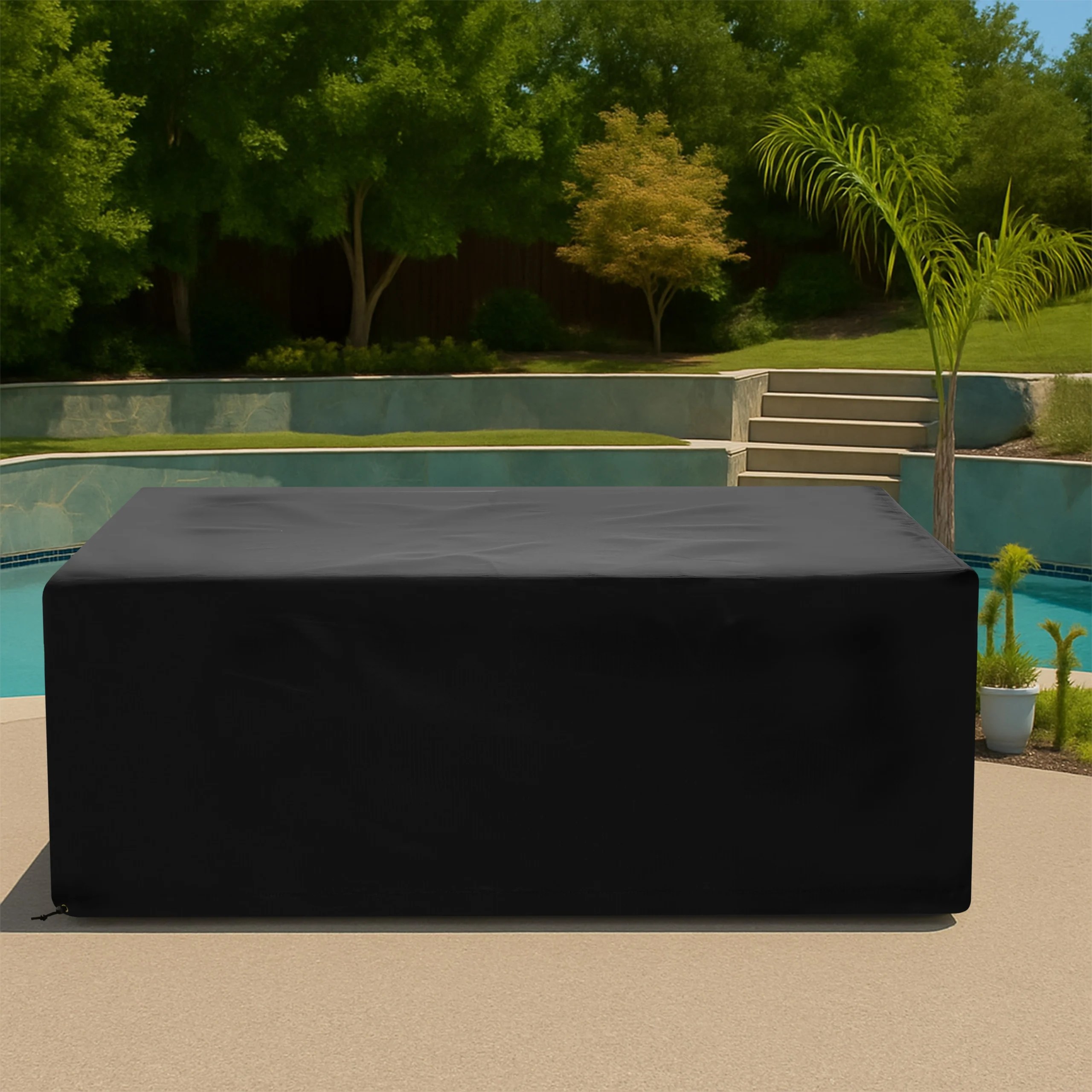
When people compare outdoor covers, they often start with fabric thickness or price. Those details matter, but the small features often decide whether a cover is easy to use every week. Outdoor furniture covers with straps, buckles, vents, reinforced seams, and custom sizing can stay more secure and perform better than a loose cover that only matches the general size.
If your patio furniture sits outside through rain, sun, wind, or daily dust, the right feature mix can save time and reduce frustration. The goal is simple: keep the cover in place, help water move off the surface, reduce trapped moisture, and make the cover practical enough that you actually use it.
Why straps matter
Straps help keep a cover from lifting in wind or sliding out of position. This is especially important for sectional sofas, dining sets, fire pits, grills, and equipment with open sides or raised legs. Without secure points, a cover can shift just enough to expose corners, cushions, or hardware.
Good strap placement depends on the item being covered. A dining set may need straps near chair legs or table supports. A sectional sofa may need straps across lower edges and corners. A grill island or equipment cover may need buckles placed where they can be reached easily without pulling fabric across sharp edges.
Buckles vs drawcords vs elastic hems
Different fastening systems solve different problems.
- Buckles and straps: Best for wind control and larger covers that need adjustable tension.
- Drawcords: Useful for tightening around a base or round shape, but they may not control large flat panels by themselves.
- Elastic hems: Convenient for quick use, though they may not provide enough hold for exposed windy areas.
For many custom covers, the best design uses more than one fastening method. A fitted shape reduces excess fabric, while straps and buckles help keep the lower edge stable.
What vents do on outdoor covers
Outdoor covers with vents are designed to help air move under the cover. This can reduce trapped moisture and help the covered item dry more evenly after temperature changes, humidity, or light condensation.
Vents are not a substitute for waterproof fabric, correct fit, or smart storage habits. They work best as part of a full cover design: water-resistant or waterproof fabric, good runoff shape, secure fastening, and enough breathing room for the covered item.
When vents are especially useful
- Humid climates where condensation can build under the cover.
- Large furniture sets with cushions or deep seating.
- Longer storage periods between seasons.
- Items placed in shaded areas where surfaces dry slowly.
- Covers that sit close to the ground and need better air movement.
Reinforced seams and stress points
Straps and vents only work well if the surrounding construction is strong. Reinforced seams help handle tension from wind and repeated installation. Stress points near corners, buckles, handles, and raised edges should be considered during the design.
For custom covers, reinforcement can be planned around the actual furniture shape. This is one advantage of made-to-measure coverage: the cover can be built for the places where tension will naturally happen, not just cut to a generic size.
Custom sizing makes features work better
A strap cannot fix a cover that is dramatically oversized. Extra fabric can still flap, hold water, or collect debris. The closer the cover follows the furniture shape, the more effective straps, buckles, vents, and seams become.
For patio sectionals, measure the full footprint, seat height, back height, arm height, depth, and any chaise or corner sections. For dining sets, decide whether you want to cover the table only, the chairs separately, or the full table-and-chair set together. You can use the How to Measure guide to prepare the key dimensions.
Which features matter most for different patio items?
For a sectional sofa, prioritize custom fit, lower straps, reinforced corners, and vents if cushions stay outside. For a dining set, decide whether one large cover or separate chair/table covers will be easier to use. For a fire pit or table, focus on shape, runoff, and secure lower edges. For grills and outdoor kitchens, account for knobs, shelves, vents, and hot surfaces that must cool before covering.
Feature choices should match how the item is used. Daily-use furniture needs a cover that removes easily. Seasonal storage may benefit from stronger fastening and broader coverage.
Common feature mistakes
- Too many straps in hard-to-reach places: A cover that is annoying to install may not get used.
- No plan for water runoff: Straps help hold a cover down, but they do not remove standing water.
- Vents placed where rain can enter: Vents should support airflow without becoming leak points.
- Ignoring sharp corners: Hardware, table edges, and metal frames may need reinforcement or padding.
How to choose the right cover design
Start with the environment. Is the furniture exposed to strong wind? Does it sit under trees? Does water pool on the patio? Are cushions left outside? Then decide which features solve those real problems.
For many homeowners, the best cover is not the heaviest possible option. It is the cover that fits well, secures quickly, breathes appropriately, and is easy enough to use after every gathering or before every storm.
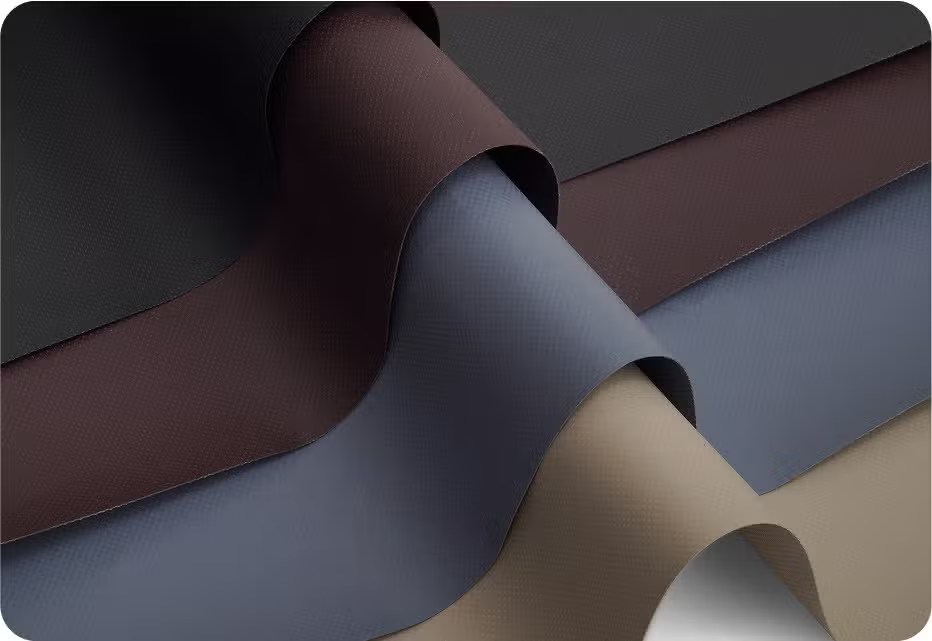
Explore custom outdoor covers or compare options on the fabric page. If your furniture has unusual dimensions, send measurements and photos through Request a Quote so the strap, vent, and fit details can be planned together.
Share This Article

Written by : CoversForge
Follow Us
Latest Articles
September 9, 2026
September 9, 2026