 Business





Outdoor Dining Set Covers Waterproof: How to Cover Tables and Chairs Together

An outdoor dining set has more shapes to protect than [...]
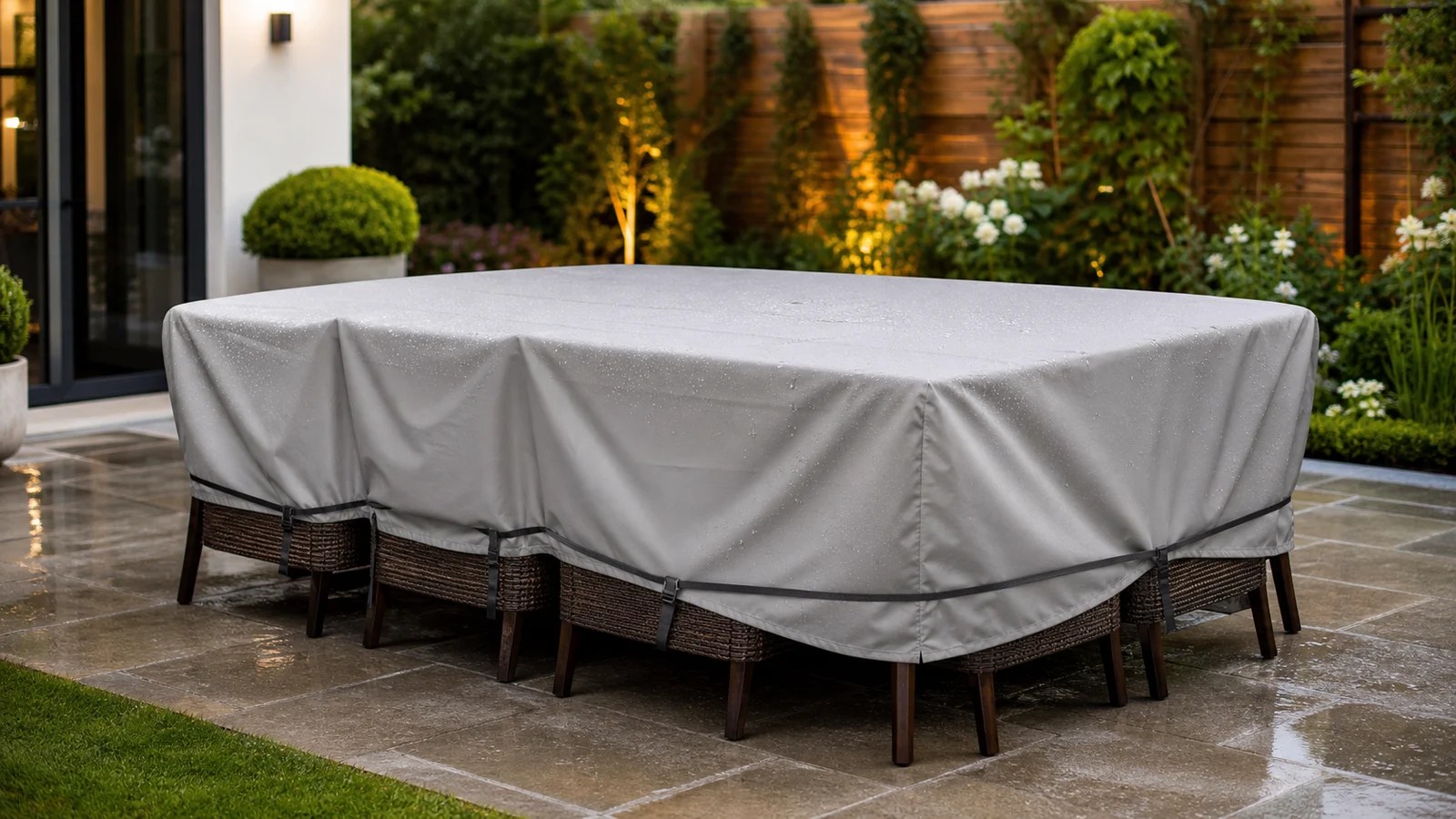
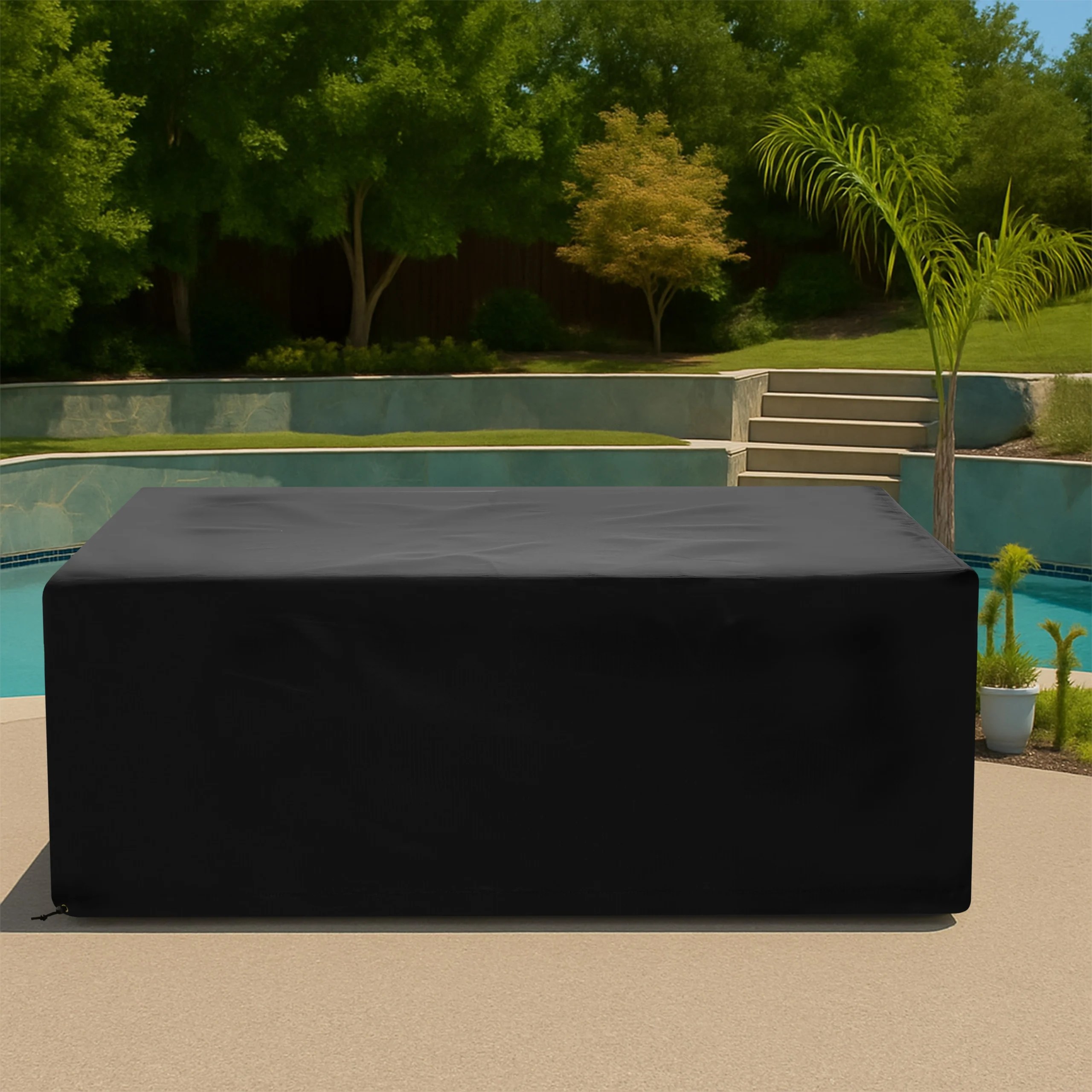
An outdoor dining set has more shapes to protect than a single table. Chairs, arms, backs, legs, cushions, table edges, and open gaps all affect how a cover fits. That is why outdoor dining set covers waterproof buyers should look beyond simple length and width. The right cover should protect the full set, stay stable in wind, help water move off the surface, and remain easy enough to remove before meals.
A dining set cover is often used more frequently than seasonal storage covers. It may go on after dinner, before rain, during pollen season, or between weekend gatherings. A cover that is awkward, heavy, or poorly fitted is less likely to be used consistently. Good design makes protection part of the routine.
One large cover or separate covers?
The first decision is whether to cover the full dining set together or cover the table and chairs separately. A single large cover is convenient when the chairs stay pushed in and the set has a predictable footprint. Separate covers can be better when chairs move often, when the table is used more frequently, or when the set has unusual chair shapes.
- One full-set cover: Best for quick protection after use and for keeping a dining area visually tidy.
- Separate table and chair covers: Easier when chairs are frequently moved or stored apart.
- Table-only cover: Useful when chairs are stored indoors or made from weather-resistant materials.
If cushions stay outside, make sure the cover plan protects the chair seats and backs. Cushions can trap moisture when fabric sags or when the cover does not reach low enough around the chair frames.
Measure the real footprint
For a full-set cover, measure the dining set as it will actually sit under the cover. Push chairs in if that is how the set will be stored. Measure the total length, width, and height of the combined footprint, including chair backs and any arms that extend beyond the table edge.
Also note the table shape. Rectangular, square, round, oval, and extension tables all create different cover profiles. A rectangular cover placed over an oval table may leave loose corners, while a round set with high-back chairs may need extra height allowance.
- Total length: Measure from the outermost chair back on one side to the outermost chair back on the opposite side.
- Total width: Include chair arms or angled chair legs if they extend beyond the table.
- Maximum height: Measure to the highest chair back, umbrella plug, tabletop, or decorative feature.
- Drop length: Decide how far down the cover should extend without dragging on wet patio surfaces.
For more measurement structure, use the How to Measure guide before submitting dimensions.
Waterproof protection still needs runoff
Waterproof fabric is important, but fit and shape determine how water behaves. If a large cover creates a flat basin between chair backs or across a tabletop, water can pool even when the fabric itself resists moisture. Pooling adds weight, strains seams, and can leave the cover harder to remove.
A better cover encourages runoff. This may come from the natural height of the chair backs, the table shape, or a fitted profile that avoids deep low spots. For some sets, moving chairs slightly inward or using a support pole can also improve runoff during long rainy periods.
Straps and fastening points
Dining sets often have many legs and open spaces where wind can move underneath the cover. Lower straps, buckles, drawcords, or a fitted hem help keep the cover in position. The key is placing fastening points where they can be reached without crawling under the table.
For windy patios, straps around chair legs or lower frame sections can add stability. For daily use, avoid making the fastening system too complicated. The best design is secure enough for the environment and simple enough to use regularly.
Fabric choice for dining areas
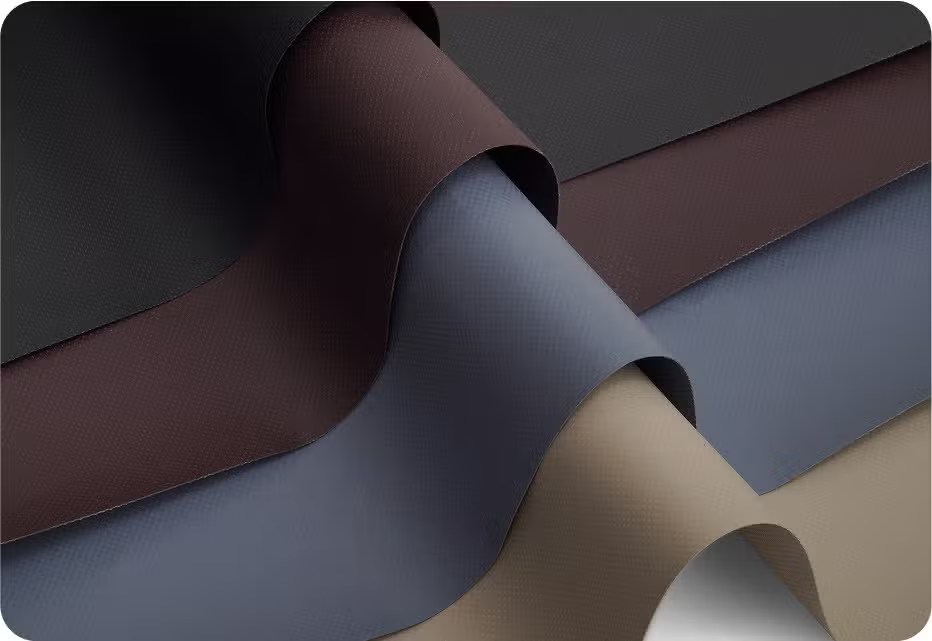
Dining covers need to balance durability with handling. A very heavy cover may protect well but become frustrating after every meal. A lighter cover may be easy to remove but less stable in wind or long exposure. Consider how often the set is used, how much sun it receives, and whether the furniture is under a pergola, roofline, or open sky.
UV resistance matters for sets that sit in direct sun. Water resistance and seam quality matter for rainy climates. Breathability can help when covers stay on for extended periods. The fabric options page can help compare material choices for daily use, seasonal storage, and heavier-duty protection.
Common dining cover mistakes
- Measuring only the table: Chair backs and arms often create the true footprint.
- Letting the cover drag: Fabric that sits on wet patio surfaces can collect dirt and moisture.
- Ignoring chair shape: High backs, curved arms, and angled legs can change the cover profile.
- Choosing too many hard-to-reach straps: A cover that is difficult to install may not be used daily.
When to choose a custom dining set cover
A standard cover can work for a simple table and chair set with common dimensions. A custom cover is more useful when the set is large, unusually shaped, has high-back chairs, includes cushions, or needs a cleaner look on a visible patio. Custom sizing can also help reduce loose fabric and improve strap placement.
To plan a made-to-measure cover, visit the patio furniture covers category or submit photos and measurements through Request a Quote. Include the table shape, chair count, full footprint, height, and whether cushions stay outside.
Share This Article

Written by : CoversForge
Follow Us
Latest Articles
September 9, 2026
September 9, 2026