 Business





Heavy Duty Outdoor Covers vs Regular Covers: Which One Do You Need?

Not every outdoor cover needs to be the heaviest option [...]
Not every outdoor cover needs to be the heaviest option available. But when furniture, grills, equipment, or commercial assets stay outside through repeated rain, sun, wind, and handling, the difference between heavy duty outdoor covers vs regular covers becomes important. The right choice depends on exposure, usage frequency, object shape, and how much durability you need from seams, fabric, straps, and reinforcement.
A regular cover can be a practical choice for light exposure, short-term use, or protected patios. A heavy-duty cover is usually better when the covered item is valuable, unusually shaped, exposed to weather, or used in a business setting where replacement and downtime matter.
What makes a cover heavy duty?
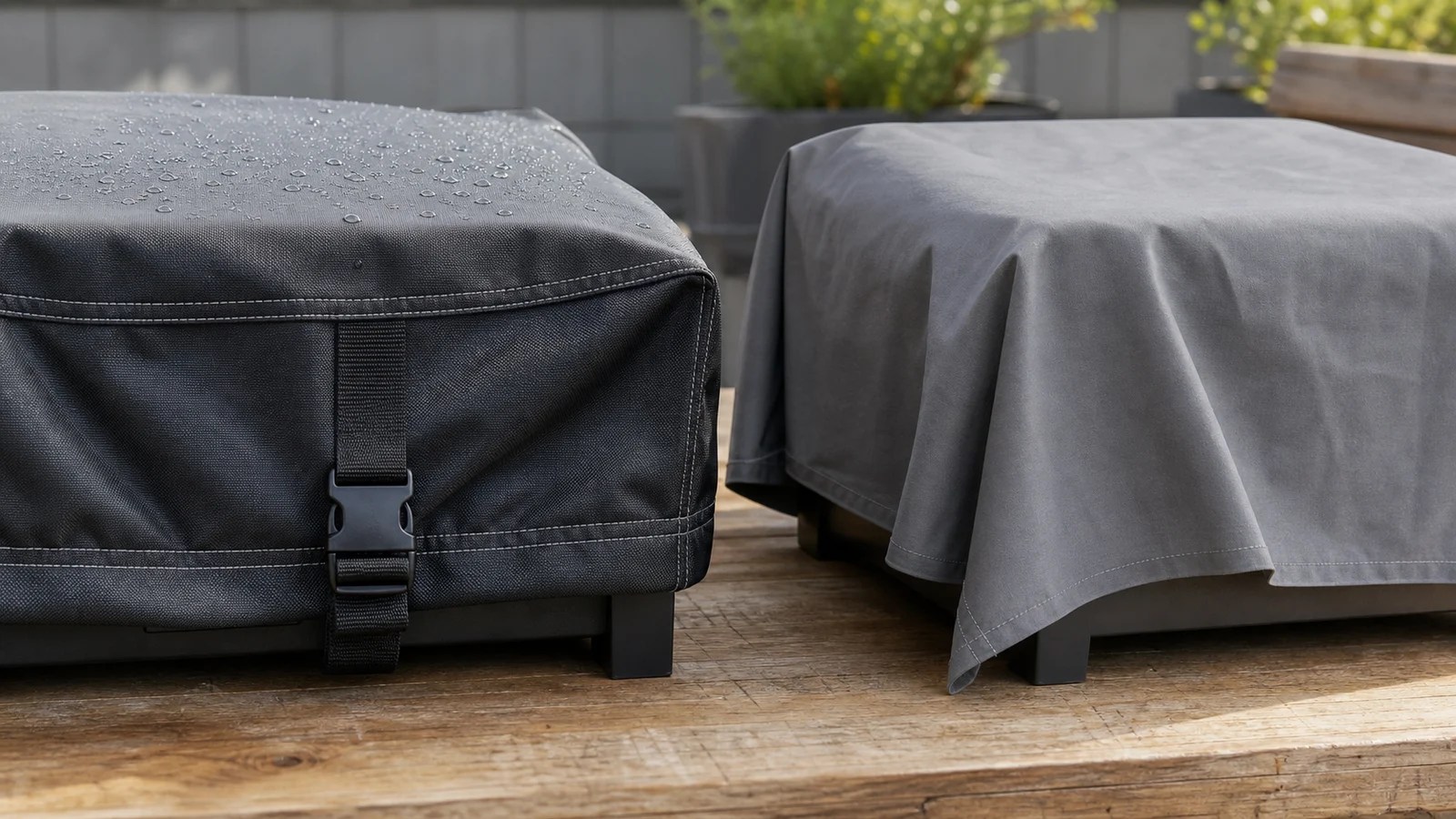
Heavy duty does not mean one single specification. It usually refers to a combination of stronger fabric, better seam construction, reinforced stress points, improved fastening, and more resistance to repeated outdoor use. The whole system matters.
- Fabric structure: Heavier or stronger fabric can resist abrasion, tension, and daily handling better.
- Water performance: Water-resistant or waterproof materials help protect against rain and surface moisture.
- UV resistance: Covers used in direct sun need material that can handle fading and degradation.
- Reinforcement: Corners, seams, handles, buckles, and sharp-contact areas may need extra support.
- Fastening: Straps, buckles, drawcords, and fitted hems help keep the cover secure in wind.
Where regular covers make sense
Regular covers can work well when the item is stored in a sheltered area, used seasonally, or protected from the strongest weather. They may also be easier to handle for daily use because the fabric is often lighter and more flexible.
For example, a chair cover under a covered porch may not need the same construction as a custom equipment cover in an open lot. A grill that sits under a roofline may need reliable water resistance and UV protection, but not the heaviest fabric available.
Where heavy-duty covers are the better choice
Heavy-duty covers become more valuable when exposure and risk increase. If a cover protects expensive equipment, commercial furniture, outdoor kitchens, large dining sets, fire pits, generators, or items stored outside all year, stronger construction can reduce wear and improve confidence.
They are also useful for covers that are large or complex. Large covers catch more wind and create more tension across seams. Irregular shapes can create rub points. Business environments may require repeated installation and removal by different team members. These are all reasons to consider stronger materials and reinforcement.
Fit is still the first layer of durability
A heavy fabric cannot fully compensate for poor fit. If the cover is much too large, it can flap, collect water, and pull against straps. If it is too tight, seams and corners may be stressed every time the cover is installed. Custom sizing helps reduce both problems.
For made-to-measure covers, the goal is controlled tension. The cover should follow the object closely enough to reduce excess fabric, while leaving enough allowance for installation, airflow, and normal movement. This is why measurement and photos are so important.
Compare by use case, not just thickness
Thickness is easy to understand, but it is not the only performance factor. A cover should be chosen based on where it will live and how it will be used.
- Daily-use patio furniture: Balance durability with easy handling and quick installation.
- Outdoor kitchens and grills: Prioritize water resistance, fit, reinforced corners, and heat-safe use after cooling.
- Equipment covers: Look for abrasion resistance, strong seams, and access-friendly fastening.
- Commercial covers: Choose materials and construction that can handle repeated use and visible customer areas.
- Seasonal storage: Consider UV exposure, moisture control, and secure fastening for long periods.
Seams, stitching, and stress points
Many cover failures begin at stress points rather than in the middle of a fabric panel. Corners, raised edges, buckles, handles, zipper areas, and tight bends see more movement and tension. Heavy-duty construction should reinforce these areas so the cover performs as a complete product.
For custom covers, reinforcement can be placed where the actual object needs it. A round fire pit, square generator, L-shaped sectional, and outdoor dining set each create different tension patterns. Generic reinforcement may miss the places that matter most.
Waterproof, breathable, or both?
Some buyers assume the strongest cover is always the most waterproof cover. In practice, the right fabric depends on the storage environment. Rain protection matters, but trapped condensation can also be a concern. A good cover design considers water resistance, runoff shape, ventilation, and whether the covered item needs airflow.
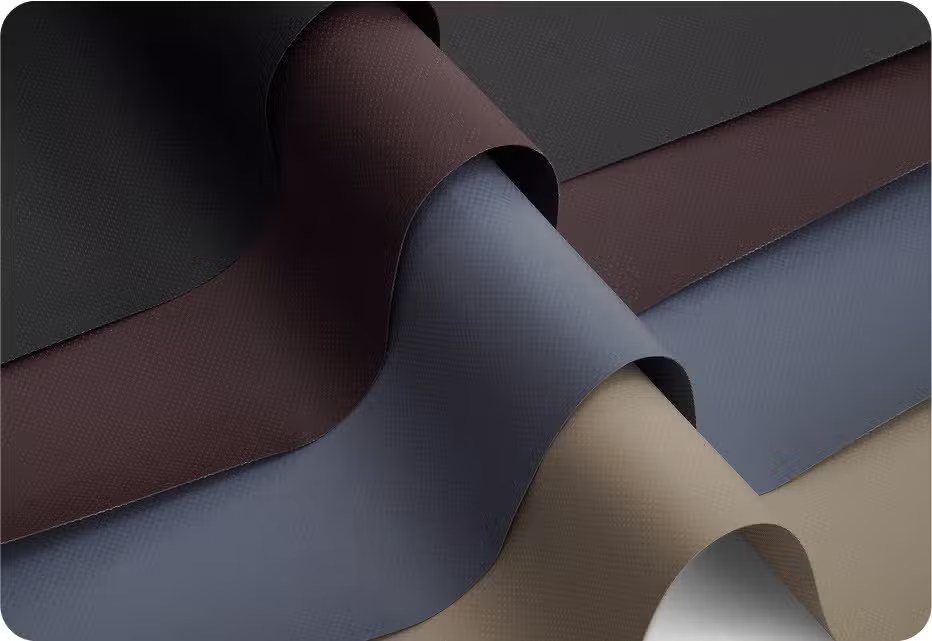
You can compare CoversForge material choices on the Our Fabrics page. For many projects, the best answer is not simply heavy or light. It is the fabric and construction package that matches the item, climate, and use pattern.
Cost and replacement thinking
A regular cover may cost less upfront, which can make sense for low-risk items. A heavy-duty custom cover often makes more sense when the item underneath is expensive, hard to replace, or important to business operations. The real comparison is not only cover price. It is protection value, replacement frequency, cleaning time, and the cost of avoidable damage.
How to choose
Choose a regular cover when the item is simple, sheltered, lower risk, or used in mild conditions. Choose a heavy-duty custom cover when the item is exposed, valuable, irregularly shaped, or used in a setting where durability and appearance matter.
If you are unsure, start with the item, not the fabric. Send photos, dimensions, storage conditions, and how often the cover will be used through Request a Quote. For broader options, explore custom outdoor covers and compare materials on the fabric page.
Share This Article


