 Business





Custom Boat Covers: How to Protect Seats, Consoles, and Marine Gear Between Trips

A good boat cover does more than hide a boat [...]
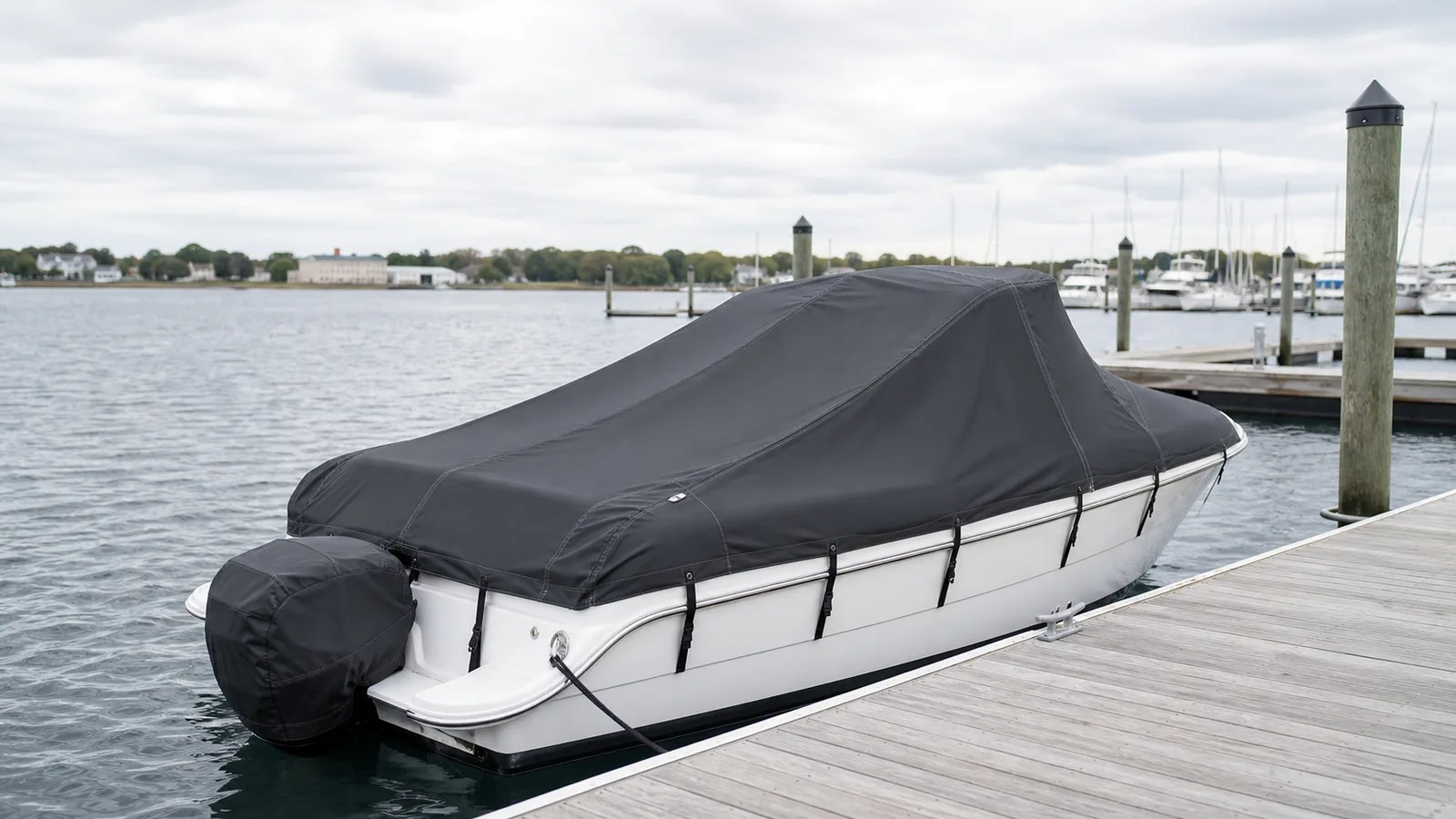
A good boat cover does more than hide a boat from rain. It protects the areas that make the next trip easier: dry seating, a clean console, covered storage, protected electronics, and fewer hours spent wiping away dust, pollen, bird droppings, and standing water. That is why custom boat covers are worth considering when a universal cover leaves loose corners, exposed hardware, or sagging fabric.
For many boat owners, the biggest problem is not one dramatic storm. It is repeated exposure. Sun fades upholstery. Moisture sits in seams. Wind pulls at loose fabric. Dockside dust and leaves collect in corners. A made-to-measure cover helps reduce those daily wear points by following the boat’s shape instead of forcing the boat to fit a generic rectangle.
What a custom boat cover should protect first
Start by thinking about the areas that cost the most time or money to clean, repair, or replace. On many recreational boats, that means the cockpit, seats, helm console, windshield area, deck storage, outboard motor, and any exposed rails or fittings.
The cover does not always need to wrap every inch of the hull. In many cases, the most useful design is one that protects the upper surfaces, keeps water from pooling around seating and controls, and stays secure when wind moves across the dock or driveway.
- Seats and cushions: UV and moisture can age vinyl and stitching quickly, especially when water sits in low spots.
- Console and controls: A fitted cover helps reduce direct exposure around switches, displays, steering, and storage lids.
- Open deck storage: Custom coverage can account for raised boxes, rails, or unusual shapes that a standard cover may miss.
- Outboard motor: A separate motor cover or integrated extension can help keep the engine housing cleaner between uses.
Why fit matters more near water
Loose fabric is a bigger issue around boats because wind has room to lift, pull, and flap the cover. That movement can strain seams, rub against corners, and allow spray or rain to reach the surface underneath. A better fit reduces the amount of excess fabric and gives straps, buckles, or tie-downs a more predictable job.
Custom sizing is also useful when the boat has a bimini frame, console, raised windshield, trolling motor, swim platform, or non-standard seating layout. These details are often exactly where a universal cover begins to gap.
How to measure for a boat cover
Before ordering, take photos from the front, back, both sides, and above if possible. Then record the main dimensions and note any raised hardware or unusual geometry.
- Overall length: Measure the area the cover needs to protect, not just the boat registration length.
- Beam or width: Measure across the widest point that the cover must span.
- Height points: Measure from the cover edge to the highest console, windshield, seat back, or frame that should sit under the cover.
- Special extensions: Note outboard motors, swim platforms, rails, or trolling motors if they need coverage.
- Tie-down locations: Identify where straps can safely attach without interfering with hardware or dock lines.
If you are not sure which measurements matter, use the CoversForge measuring guide as a starting point and send photos with your request. Photos help confirm the shape before production and reduce back-and-forth.
Fabric details to look for
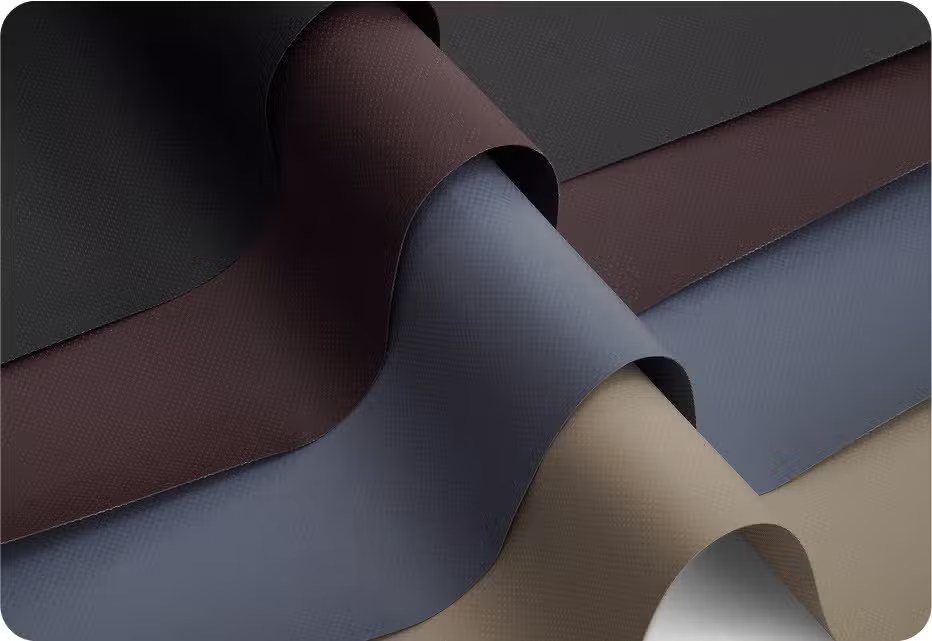
Marine storage adds a few extra demands. A boat cover needs to handle rain, UV exposure, and wind while staying manageable enough to remove and reinstall. Look for outdoor fabric with water resistance, UV resistance, strong seams, and enough structure to reduce sagging.
For boats stored outside for longer periods, reinforced corners and stress points matter. These are the areas most likely to experience tension from wind, straps, or contact with hardware. A smooth surface profile also helps rain move off the cover instead of collecting in pockets.
You can compare material options on the CoversForge fabric page. For a boat, the right choice usually depends on storage location, season, sun exposure, and how often the cover will be handled.
Should you choose one full cover or separate covers?
One full cover is convenient when you want broad protection across the cockpit and deck. Separate covers may work better when you need daily access to one area, such as a console or motor, without uncovering the whole boat.
For example, a full boat cover can protect the main deck between trips, while a separate outboard motor cover can stay on during storage. A console cover can also be useful for boats that are docked frequently and need quick protection for electronics and controls.
Common mistakes to avoid
- Ignoring the highest point: If the console or windshield height is missed, the cover may pull too tightly or fail to sit correctly.
- Leaving water no path to run off: Flat fabric areas can collect water. A fitted shape should encourage runoff.
- Overlooking hardware edges: Rails, cleats, and brackets can create wear points if they are not considered.
- Choosing only by size range: Boat layouts vary widely, so length and width alone rarely tell the full story.
When a custom boat cover is the better choice
A universal cover may be enough for short-term indoor storage or a simple hull shape. A custom cover is usually the better option when the boat stays outdoors, has an unusual layout, includes exposed electronics, or needs a cleaner fit for repeated use.
If your boat is stored at a marina, in a driveway, or at a seasonal property, a fitted cover can reduce the amount of cleaning needed before every trip. It can also help protect the seating and controls that make boating comfortable.
For made-to-measure sizing, start with the boat covers category or send project details through Request a Quote. Include photos, dimensions, storage location, and any special hardware you want covered.
Share This Article


