 Business


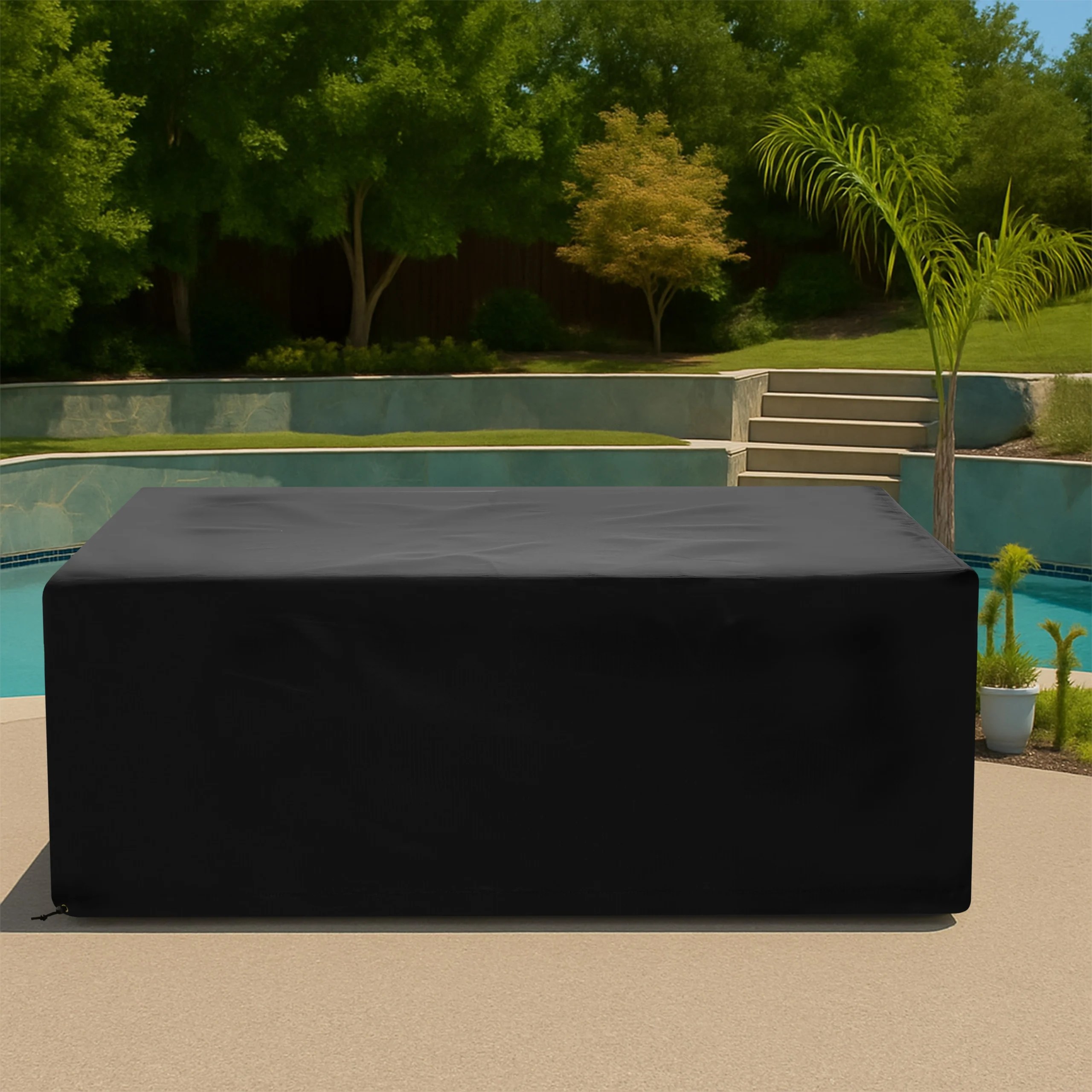




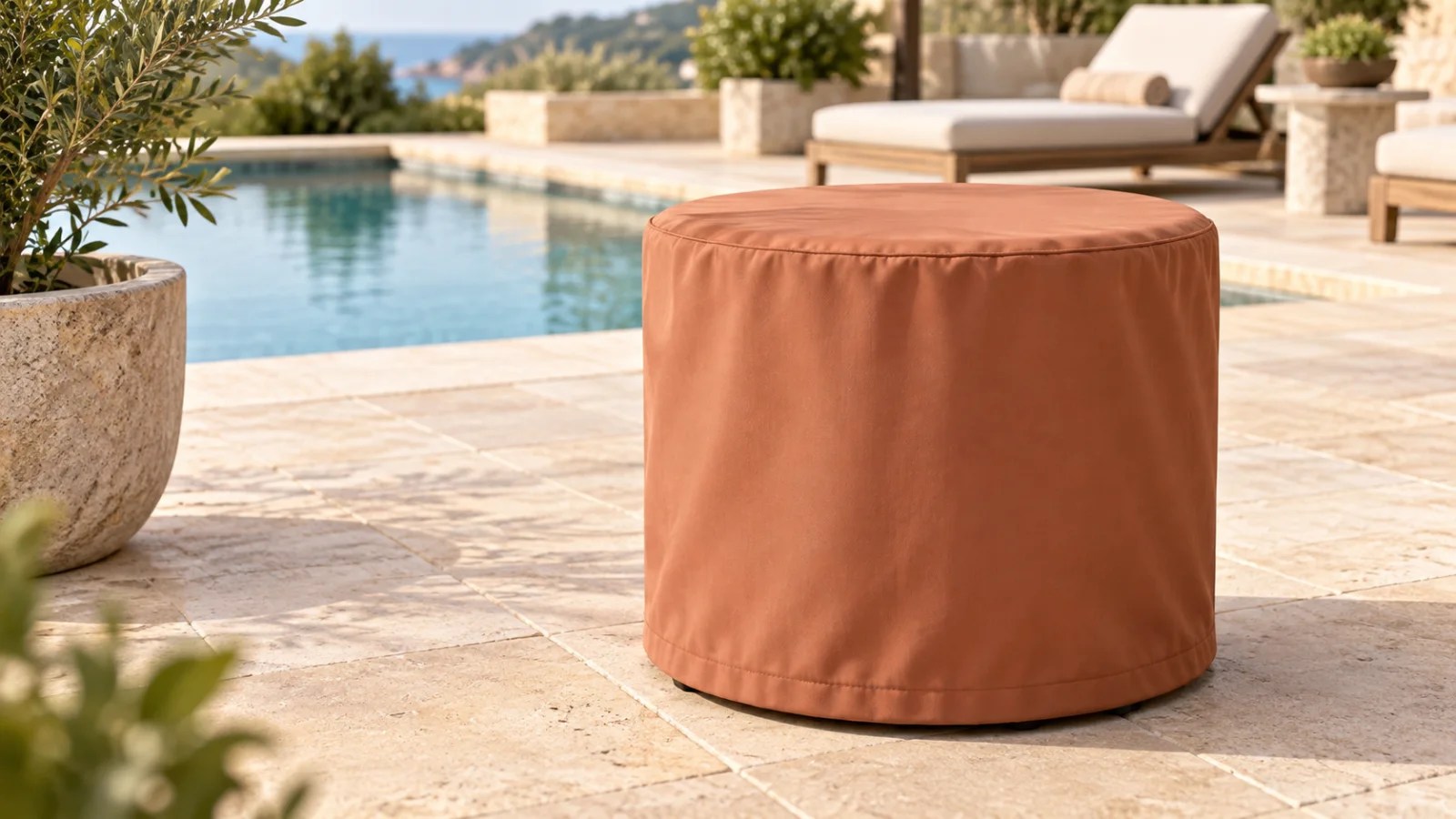
Drum Patio Side Table Covers: Measure Diameter, Taper, Top Rims, and Bases

A drum side table can be cylindrical, tapered, faceted, hollow, [...]
A drum side table can be cylindrical, tapered, faceted, hollow, or slightly barrel-shaped. Its tabletop rim may be wider than the body, while small feet or a recessed base change the lower diameter. A custom drum patio side table cover should follow the real profile instead of assuming one diameter from top to bottom.
Clear drinks, lamps, planters, and décor, then clean and dry every surface. Set the table on level ground in its normal storage location. The cover is intended for an empty stationary table; remove it before lifting, opening, using, or moving the furniture.
Confirm the Drum Construction
Identify whether the table is solid, woven, slatted, cast, or assembled from a top and base. Photograph the side profile and underside. Record any removable tray or lid, but do not measure a temporary accessory unless it will always remain installed in the approved storage state.
Measure the Top Diameter
Follow How to Measure and measure the rigid tabletop across its widest point through the center. Repeat at a perpendicular angle to confirm roundness. Include raised lips, rolled rims, tile borders, or projecting handles that determine the true upper envelope.
Check for Taper or Barrel Shape
Measure the outside diameter at the top, midpoint, and lower body. Record the height of each measurement from the ground. For a faceted drum, count the faces and note the widest corner-to-corner distance. These checkpoints prevent a fitted cylinder from binding on a bulged middle or loose base.
Record Table Height and Top Profile
Measure from the ground to the highest rigid point. Note whether the top is flat, crowned, recessed, lipped, or removable. A shallow tray top can hold water under a loose cover, while a convex top sheds it. Never leave bowls or décor in place as drainage supports.
Map Handles, Openings, and Seams
Document handholds, decorative cutouts, welds, hinges, fasteners, and sharp transitions. Measure each projection and locate it from the top edge. If the table opens for storage, close and latch it as instructed, and remove the cover completely before access.
Measure the Base and Feet
Record bottom diameter, recessed plinth, individual feet, glides, and ground clearance. Some drums narrow at the base while feet project farther out. Plan the hem above wet paving and keep closures from collecting beneath the furniture where they can trap water or become a trip hazard.
Choose Fabric for a Compact Round Form
Compare flexibility, water behavior, UV resistance, abrasion performance, and handling weight on Our Fabrics. Explore Patio Furniture Covers and Custom Covers. A compact cover should be easy to lift without scraping the tabletop rim.
Control Runoff From the Top
Record the top’s slope and likely water path. A stable approved insert may be discussed for a recessed top, but it must not scratch the finish or become a loose object in wind. Keep the covered table away from roof drips, sprinkler heads, and pooling deck water.
Use a Centered Installation Routine
Mark one side as the front if handles or seams create an orientation. Center the top panel, lower the wall evenly, and guide it past the widest body point. Secure suitable lower points with modest tension. Dry both the table and the removed cover before long-term storage.
Prepare the Drum-Table Fit Brief
Send top, midpoint, and base diameters, total height, taper checkpoints, rim profile, handles, openings, feet, hem height, site exposure, and labeled photos. Review the Drum Patio Side Table Cover or Request a Quote.
Frequently Asked Questions
Is one diameter enough?
Only for a truly straight cylinder. Measure top, middle, and base so taper or a barrel-shaped bulge is documented.
Can décor stay on the table under the cover?
No. Clear all loose objects and measure the empty table in a repeatable storage state.
What if the top is a removable tray?
Decide whether the tray is stored installed or separately, then measure that one approved configuration consistently.
Turn the Measurements Into a Clear Cover Brief
A dependable made-to-measure cover starts with one repeatable storage position, complete dimensions, labeled photos, safe-use limits, and a practical handling routine. CoversForge can review fit, fabric, access, exposure, and quantity for the documented application. Request a Quote when the specification is ready.
Share This Article

Written by : CoversForge
Follow Us
Latest Articles
September 15, 2026
September 15, 2026
September 15, 2026