 Business


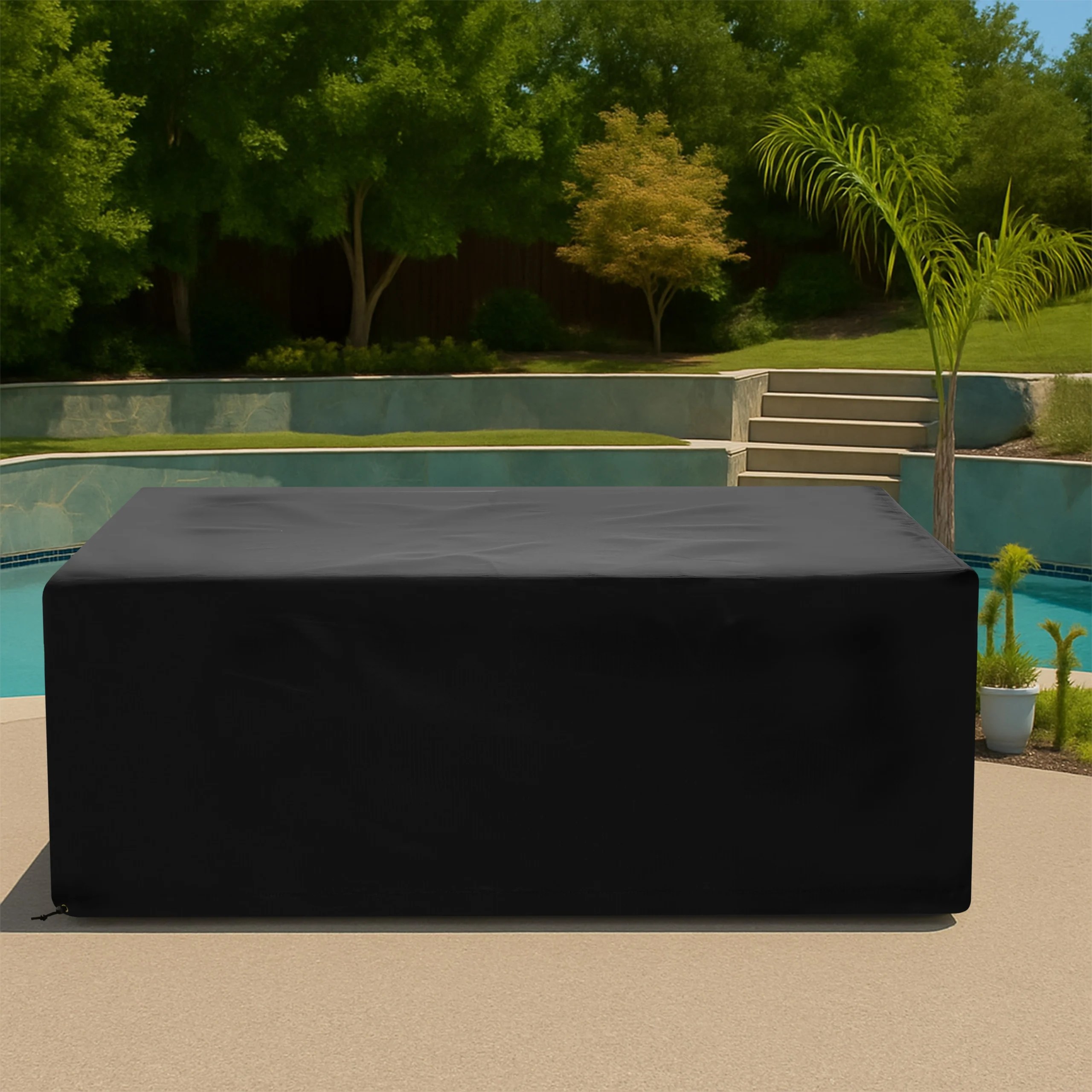



Wagon Wheel Garden Bench Covers: Fit Circular Backs, Spokes, Arms, and Feet

A wagon wheel bench is defined by large circular side [...]
A wagon wheel bench is defined by large circular side or back elements, projecting hubs, open spokes, and decorative timber or metal edges. Those high points rarely fit a simple rectangular profile. A custom wagon wheel garden bench cover should follow the rigid silhouette while protecting open details from unnecessary rubbing.
Clean away soil, leaves, sap, and loose rust or finish flakes before measuring. Dry the seat, spokes, and joints completely, and remove cushions and décor unless they are part of the planned storage arrangement. The bench must remain stationary; take the cover off before sitting, lifting, or moving it.

Identify the Wheel Layout
Determine whether the bench has one central wheel, two side wheels, overlapping half wheels, or a wheel-shaped back. Photograph both faces and each end. Record whether the circles are truly round or slightly distorted. Mark the highest rim, widest hub, and every section that projects beyond the seat frame.
Measure the Overall Rigid Envelope
Use How to Measure to capture maximum width, depth, and height from rigid outer points. Include rim edges, hubs, handles, arms, and rear braces. Check the bench at floor level too, because angled legs or stabilizers may be wider than the decorative upper frame.
Map Circle Diameters and Centers
Measure each wheel’s outside diameter and locate its center from the floor and nearest bench end. Record rim thickness and the distance between two wheels. These dimensions define the curved upper panels more reliably than tracing a flexible tape around the circumference, which can hide asymmetry or leave the hub unexplained.
Record Hubs, Spokes, and Decorative Peaks
Measure hub projection on both sides, spoke depth, rim ornaments, axle details, and raised fasteners. Photograph sharp or fragile features closely. The cover should bridge open spokes without being pulled into them, and fit allowance should prevent concentrated rubbing on one carved point or exposed bolt.
Measure Arms, Seat Slats, and Back Rails
Record arm height, seat width and depth, back angle, and any crest rail between the wheels. Note gaps between slats where debris and moisture collect. Do not use cushions to smooth the profile unless they will always remain dry and in the same position. Loose cushions are usually easier to store separately.
Check Legs, Rockers, and Ground Contact
Measure the outside foot span, leg angles, lower stretchers, and any rocker rails or anchors. Set the hem above soil, mulch, grass, and standing water. If the bench is fixed to the ground, document brackets and clearance without covering drainage or creating a closure that interferes with inspection.
Choose Fabric for Decorative High Points
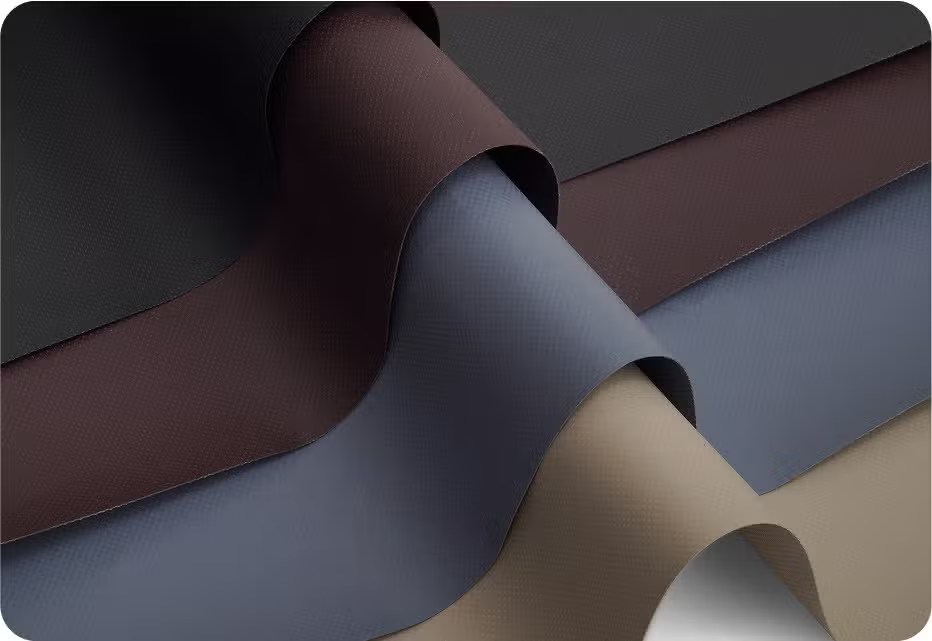
Compare flexibility, abrasion performance, water behavior, UV resistance, and finished weight on Our Fabrics. Browse Patio Furniture Covers and Custom Covers. Decorative wheels benefit from controlled drape and smooth inner contact rather than excessive tightness around spokes.
Plan Runoff Around the Wheel Valleys
A circular top can shed water well, but the space between twin wheels or behind a crest rail may form a valley. Record these transitions and any approved support location. Never place loose boards against spokes or carved wood. Keep plants trimmed so branches do not press wet material into the cover.
Install Without Catching the Spokes
Mark the front and the taller wheel if the bench is asymmetric. Lift the cover above the rims, settle it over the highest curves, and guide the lower panels around arms and feet. Do not drag fabric sideways through open spokes. Let the removed cover dry fully before folding and storing it.
Prepare the Wagon-Wheel Bench Fit Brief
Send the full envelope, wheel diameters and centers, hub projections, spoke depth, arm and seat measurements, back angle, base footprint, hem height, site surface, exposure, and labeled photos. Review the Wagon Wheel Garden Bench Cover or Request a Quote.
Frequently Asked Questions
Do I need to measure every spoke?
Record the overall spoke depth, hub projection, rim thickness, and any unusual or damaged feature that changes the rigid profile.
Should I trace the wheel circumference?
Outside diameter and center location are usually more repeatable. Add photos and note any non-circular distortion or ornament.
Can cushions stay on the bench?
Only include cushions that will always be stored dry in the same position. Loose cushions are generally better stored separately.
Turn the Measurements Into a Clear Cover Brief
A dependable made-to-measure cover starts with one repeatable storage position, complete dimensions, labeled photos, safe-use limits, and a realistic handling routine. CoversForge can review fit, fabric, access, exposure, and quantity for the documented application. Request a Quote when the specification is ready.
Share This Article

Written by : CoversForge
Follow Us
Latest Articles
September 13, 2026
September 13, 2026
September 13, 2026