 Business


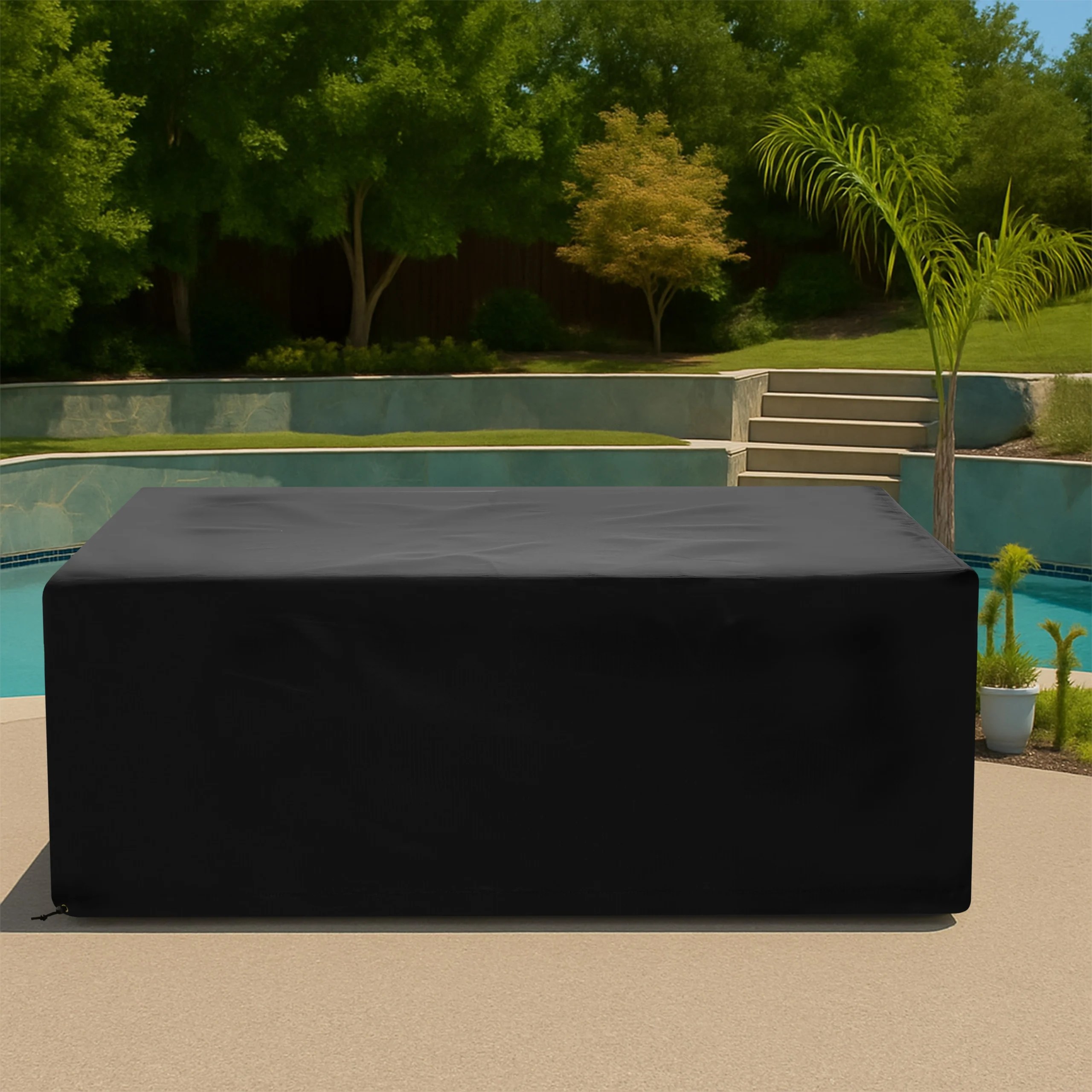




Dining Set Covers With Lazy Susans: Protect Rotating Tops and Chair Layouts

A rotating center changes how an outdoor dining cover carries [...]
A rotating center changes how an outdoor dining cover carries weight and sheds water. Some Lazy Susans lift off for storage, while others are built into stone, metal, or glass tabletops and sit above the surrounding surface. A custom outdoor dining set with lazy Susan cover should account for that height change as well as the final chair positions.
Clear every plate, serving dish, umbrella, and portable turntable before measuring. If the rotating center is removable, follow the furniture maker’s storage instructions and decide whether it will stay indoors. The cover should protect a dry, stable dining set; it is not a working surface and should be removed before anyone turns the Lazy Susan or moves a chair.

Identify a Removable or Built-In Lazy Susan
Record whether the rotating center lifts out, locks in place, sits on exposed bearings, or is integrated into the tabletop. Photograph the edge gap and center support. Do not assume a removable tray will remain under the cover if it is normally stored indoors, because that decision changes the finished height.
Measure the Table and Rotating Center Separately
Use How to Measure to record table diameter or length and width, top thickness, edge profile, base footprint, and overall height. Then measure the Lazy Susan diameter, height above the table, rim thickness, and location. On an off-center or segmented design, provide a dimensioned plan view.
Avoid a Hard Peak at the Center
A raised turntable can support fabric, but a narrow rim or decorative knob may concentrate pressure. Remove loose knobs or caps where intended and use only a broad, smooth support approved for the tabletop. The cover should transition across the center without grinding grit into stone, glass, tile, or metal.
Set One Repeatable Chair Pattern
Choose the number of chairs and tuck them evenly without forcing arms against the table. Measure the entire group at its widest and deepest points plus chair-back height. Mark a reference chair or table feature so the same arrangement can be recreated after meals.
Map Pedestals, Crossbars, and Chair Feet
Record central pedestals, perimeter legs, cross braces, leveling feet, and any floor anchors. Chair legs may project beyond the tabletop even when the backs appear aligned. Check the full lower footprint so the hem and retention system do not pull across a rigid foot or trap a caster.
Create Drainage Around the Center and Hem
Keep tabletop drains, umbrella sockets, and gaps around the turntable clear according to the furniture instructions. The cover should direct water off the top rather than into the bearing gap. Set the hem above wet decking and avoid blocking channels that carry runoff away from the dining area.
Choose Fabric for Food-Service Cleanup
Compare UV resistance, water behavior, abrasion performance, flexibility, and cleaning guidance on Our Fabrics. Wipe away oil, sauces, pollen, and grit before covering. Hospitality teams may also value visible orientation marks and a handling weight that one or two trained staff can manage without dragging.
Use Stable Retention Points
Locate approved table or chair frame positions and keep straps away from swivel bases, walkways, and the rotating mechanism. Tighten evenly so the chair pattern does not shift. A fitted set cover does not secure lightweight furniture in severe weather; follow the property’s relocation and wind plan.
Send a Dining-System Measurement Brief
Provide table geometry, Lazy Susan type and size, chair count and positions, total group envelope, base details, umbrella opening, hem height, materials, exposure, and labeled photos. Review the Outdoor Dining Set With Lazy Susan Cover or contact Business Inquiries for hospitality quantities.
Frequently Asked Questions
Should a removable Lazy Susan stay on the table?
Follow the furniture maker’s guidance. If it is normally stored indoors, remove it before measuring so the cover matches the real closing setup.
Can the cover rest directly on the turntable?
It may contact a broad, clean surface, but narrow rims, knobs, grit, and delicate finishes need special attention to avoid pressure or abrasion.
Do chair positions need to be exact?
Yes. A tailored group cover relies on one repeatable footprint; uneven chair placement can create tight corners and loose pockets.
Turn the Details Into a Practical Cover Brief
A Lazy Susan is a small component with a large effect on the upper profile. Documenting it separately from the table and chairs gives CoversForge the information needed for a smoother, more predictable dining-set cover. Request a Quote when the dimensions and photos are ready.
Share This Article

Written by : CoversForge
Follow Us
Latest Articles
September 7, 2026
September 7, 2026