 Business





C-Shaped Patio Side Table Covers: Measure Open Bases, Tops, and Feet

A C-shaped side table is compact, but its cantilevered top, [...]
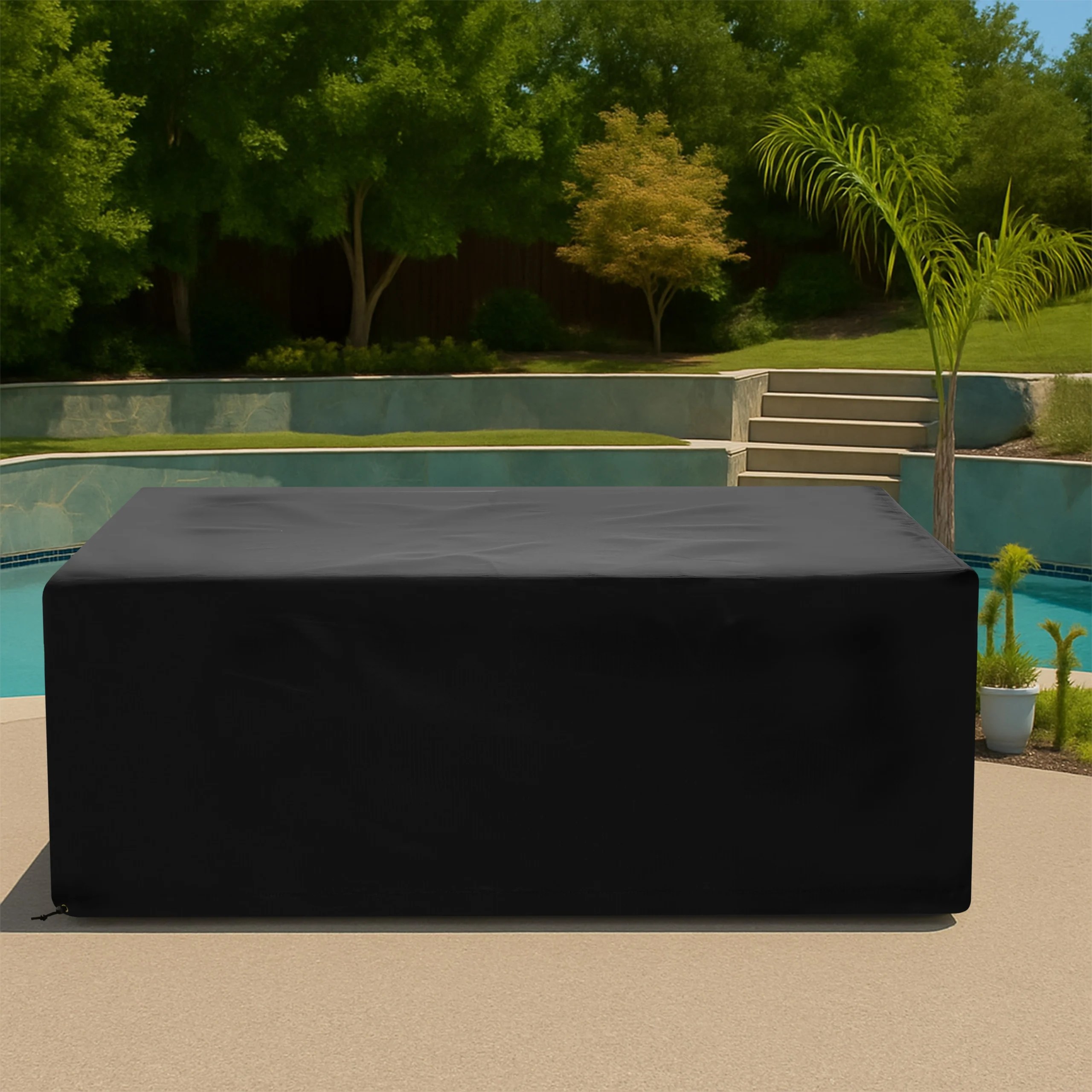
A C-shaped side table is compact, but its cantilevered top, narrow support, and floor-level base create a more demanding cover profile than a simple cube. The open side that lets the table slide toward a chair can also invite wind beneath loose fabric. A custom C-shaped patio side table cover should follow the real silhouette while remaining easy to lift without catching on the projecting top.
Measure the table on a level surface in the exact orientation used for storage. Remove drinks, lamps, planters, charging cables, and loose décor. If the table nests beneath seating, decide whether it will be parked separately before recording dimensions; the cover should never be pinched between moving furniture.

Mark the Open Side and the Storage Orientation
Photograph the table from the front, open side, closed side, and above. Label the direction in which the table slides beneath a seat. A simple arrow on a sketch prevents the open side from being reversed and helps place seams, handles, and any retention feature where they remain reachable.
Measure the Top at Its Widest Rigid Points
Follow How to Measure and record top length, width, thickness, corner radius, edge bevel, and any raised rim. Measure the rigid surface rather than a decorative tray that will be removed. If the top is oval, D-shaped, or irregular, provide both maximum spans plus a traced or dimensioned plan view.
Map the Cantilevered Support
Record the support column width, depth, position beneath the top, and distance from each outer edge. Note whether the support leans, curves, or flares toward the base. The cover needs enough clearance to pass the top but should not collapse tightly into the open throat where fabric could snag during removal.
Capture the Floor Base and Every Foot
Measure the base plate or runner at its widest and deepest points, including hidden glides, leveling feet, casters, or protective pads. Confirm whether the base is centered under the top or offset. Set the table upright and stable; do not measure it while leaning against a wall or another piece of furniture.
Choose a Hem That Preserves the Opening
Set the finished drop above wet decking, drainage channels, and floor glides. A hem that drags across the open base can gather dirt and make the table harder to move. If retention is required, use only stable approved points and keep cords away from the open path where feet or chair legs travel.
Reduce Pooling on the Small Top
Even a compact horizontal surface can hold water when fabric is loose. Keep the table level, clear the top, and follow the furniture maker’s guidance for any approved support. Avoid creating a sharp peak beneath taut fabric; a smooth fitted panel and deliberate seam placement provide a cleaner shedding path.
Select Fabric for Frequent One-Handed Handling
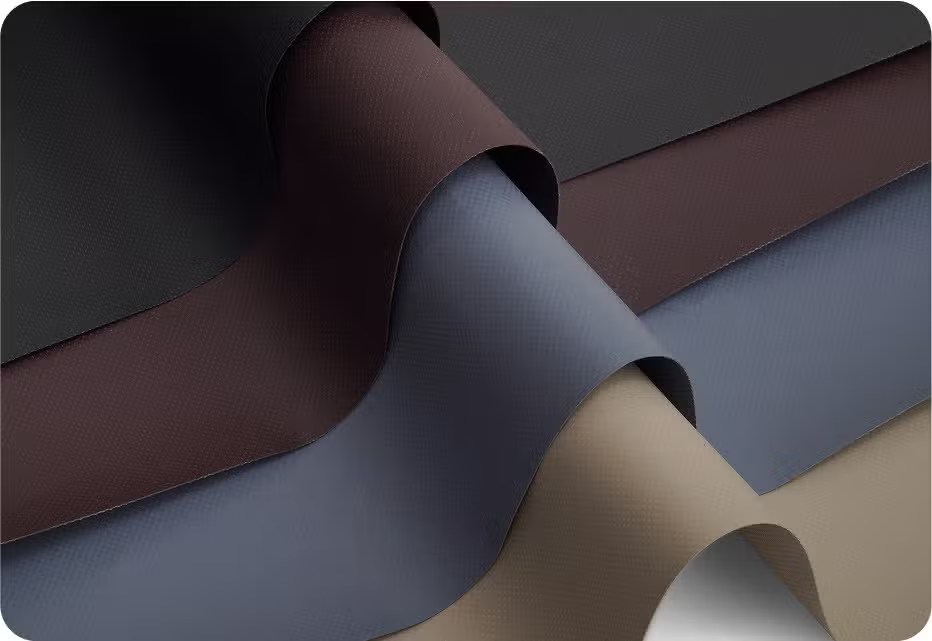
Compare flexibility, abrasion performance, UV resistance, water behavior, and finished weight on Our Fabrics. Side tables are often covered and uncovered more frequently than large furniture. A manageable textile and a correctly placed handle can reduce dragging across the top edge and floor base.
Protect Delicate Finishes Before Covering
Clean glass, stone, powder-coated metal, wood, or resin according to its manufacturer’s instructions and allow every surface to dry. Remove grit from the cover interior. Where the table has a polished or fragile finish, specify a clean contact surface and avoid trapping damp pads, plant residue, or spilled beverages.
Send a Shape-Specific Measurement Brief
Provide top geometry, support position, base outline, open-side direction, feet, preferred hem height, materials, exposure, and labeled photos. Review the C-Shaped Patio Side Table Cover, browse related Patio Furniture Covers, or Request a Quote for an unusual profile.
Frequently Asked Questions
Can the table stay partly under a sofa while covered?
Measure and cover it separately unless the furniture maker and final cover design expressly support a combined arrangement. Pinched fabric can abrade or restrict movement.
Is overall width, depth, and height enough?
Not usually. The offset top, narrow support, open throat, and wider floor base need separate dimensions to describe the C profile.
Should the cover close the open side completely?
The finished design depends on the table geometry and retention plan. The key is to identify the open side clearly and avoid loose fabric that obstructs normal handling.
Turn the Details Into a Practical Cover Brief
A useful C-table brief explains the empty space as carefully as the solid parts. When the top, support, base, and opening are documented together, CoversForge can plan a cleaner fit that is practical for frequent patio use. Request a Quote when the dimensions and photos are ready.
Share This Article

Written by : CoversForge
Follow Us
Latest Articles
September 7, 2026
September 7, 2026