 Business





Sofa Covers With Integrated Side Tables: Fit Cushions, Tops, and Seams

An outdoor sofa with a built-in side table combines two [...]
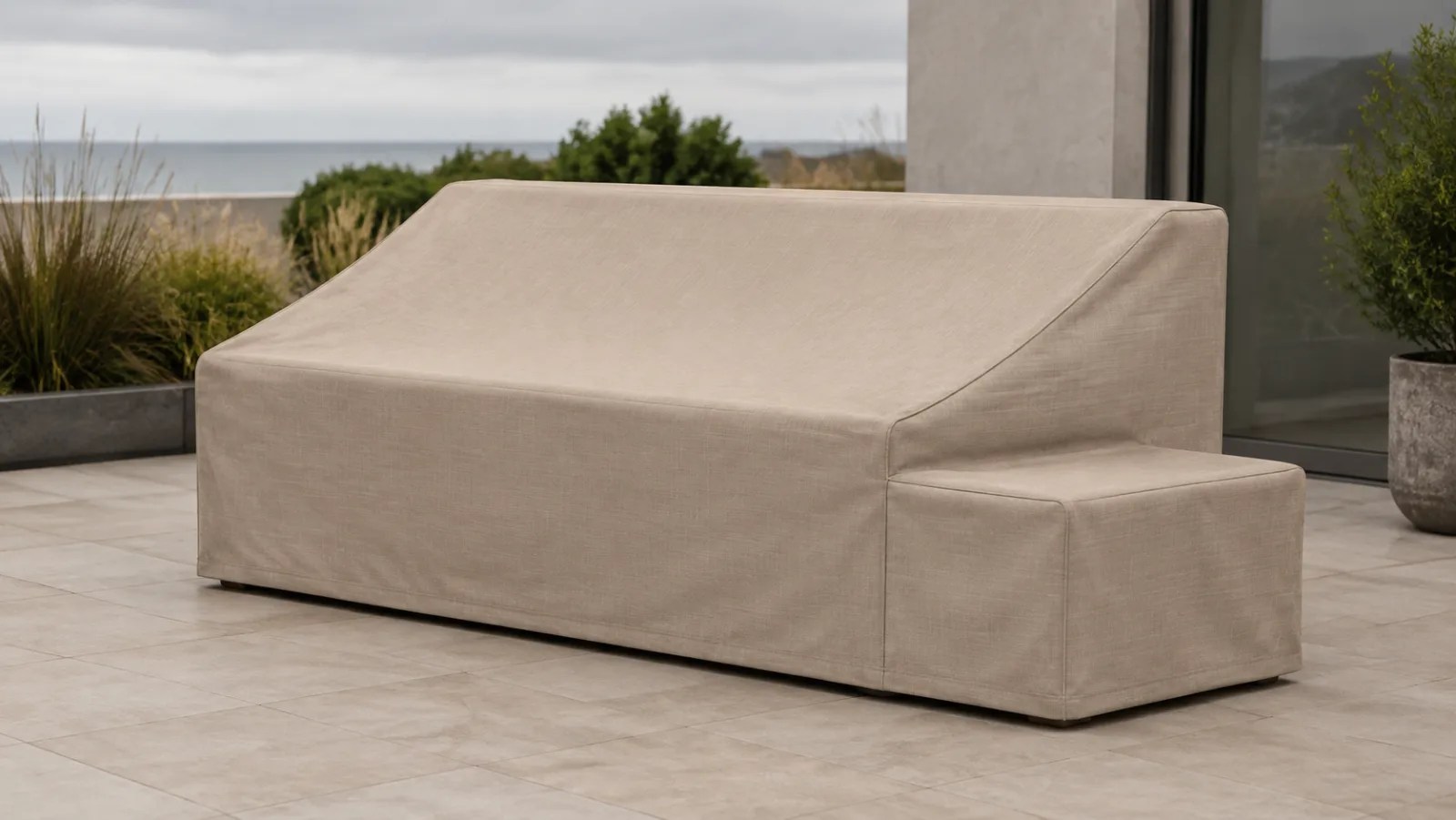
An outdoor sofa with a built-in side table combines two different profiles: a soft seating zone and a rigid horizontal surface. Cushions rise above the frame while the table may project beyond an arm, sit lower than the back, or contain a lid and storage cavity. A custom sofa with integrated side table cover should resolve those transitions without creating a water-catching shelf.
Begin with a dry, stable furniture arrangement. Remove fragile décor and electronics, follow the furniture maker’s cushion and storage guidance, and never use the cover as a seat, play surface, or substitute for securing lightweight furniture in severe weather.
Choose the Cushion Storage Configuration
Decide whether seat, back, and accent cushions remain in place or move indoors. Fluff and position any cushions that stay so the measured profile can be repeated. Do not compress foam to reduce height; compressed dimensions can create tension and trap moisture when the cushions rebound.
Measure the Sofa Frame From Rigid Points
Follow How to Measure and record overall width, depth, back height, seat height, arm width, and base clearance. Measure at the widest frame points, including curved arms, rear braces, and feet. Photograph asymmetry rather than averaging the two sides.
Treat the Integrated Table as Its Own Zone
Record the table top length, width, height, thickness, corner radius, and projection from the sofa frame. Note whether it is flush with an arm, lower than the back, or cantilevered. A stepped upper panel can follow the outline while allowing rain to shed away from the junction.
Map Lids, Storage Cavities, and Accessories
Identify lift-up lids, inset trays, cup holders, umbrella sockets, handles, and access panels. Close movable parts before measuring unless the manufacturer specifies another storage position. Store lamps, trays, glassware, chargers, and loose décor separately so they do not form unplanned pressure points.
Plan Around Seams Between Soft and Hard Surfaces
The transition from cushions to table edge is a common abrasion and pooling zone. Provide height differences and edge locations so seams and reinforcement can be placed deliberately. The finished cover should not bear tightly on a sharp top or form a deep horizontal pocket beside the cushions.
Keep the Furniture and Cover Dry
Clean pollen, food residue, sunscreen, and soil from both seating and table surfaces. Let cushions, slats, storage cavities, and the cover interior dry before installation. Maintain drainage around the feet and avoid a ground-dragging hem that can wick water toward upholstery.
Select a Fabric for Mixed Materials
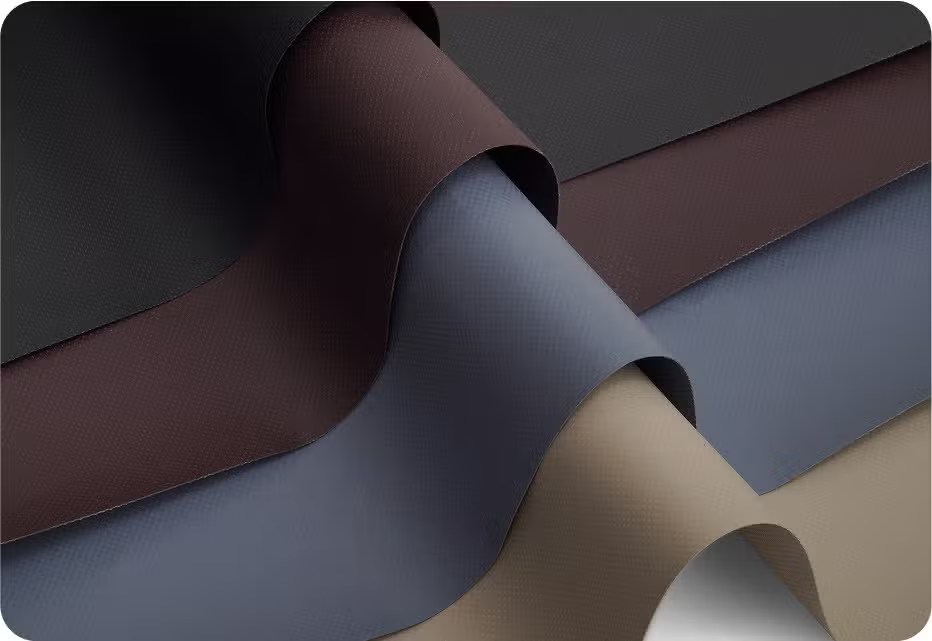
Compare water behavior, UV performance, abrasion resistance, flexibility, and handling weight on Our Fabrics. The furniture may combine woven textile, powder-coated metal, wood, stone, resin wicker, or glass. Follow the material manufacturer’s care rules and use a clean lining surface at delicate finishes.
Add Retention Without Pulling the Sofa Out of Line
Use approved leg or frame positions and keep straps away from reclining mechanisms, drawers, and walkways. Check that the sofa sits square and that feet remain supported. A fitted cover reduces excess fabric but cannot prevent furniture movement during unsafe wind conditions.
Inspect the Junction After Rain
After weather, check the table-to-seat transition, cushion seams, cover underside, and storage compartments. Remove standing water using safe handling rather than pushing it toward the furniture. Dry the textile separately if moisture is found and correct any support or slope problem before refitting.
Create a Complete Measurement Package
Provide sofa orientation, cushion plan, rigid frame dimensions, table geometry, height changes, lids, accessory openings, materials, hem preference, securement points, exposure, and labeled photos. Review the Sofa With Integrated Side Table Cover or Request a Quote.
Frequently Asked Questions
Should the table create a separate raised panel?
It depends on its height and projection. A stepped or shaped panel can manage the transition more cleanly than forcing one flat plane.
Can cushions remain on the sofa?
Only if the furniture maker permits outdoor covered storage and the cushions are clean, fully dry, and measured in their normal position.
Should table accessories be included in the dimensions?
Remove portable accessories. Measure only fixed or consistently stored items that can safely remain beneath the cover.
Turn Measurements Into a Clear Cover Brief
A dependable made-to-measure cover starts with one repeatable storage configuration, complete dimensions, labeled photos, safe-use limits, and the right handling plan. CoversForge can review fit, fabric, access, drainage, securement, and project quantities for the documented application. Request a Quote when the specification is ready.
Share This Article

Written by : CoversForge
Follow Us
Latest Articles
September 9, 2026
September 9, 2026