 Business





Octagonal Accent Table Covers: Measure Eight Sides, Corners, and Bases

An eight-sided accent table can be mistaken for a round [...]
An eight-sided accent table can be mistaken for a round or square object, but its flat edges and projecting corners create a different fit. The top may also overhang a pedestal, hide storage, or sit above splayed legs. A custom octagonal accent table cover needs both flat-to-flat and corner-to-corner dimensions to follow the real outline.
Measure the table empty, stable, and in its normal storage position. Remove lanterns, planters, glassware, and loose décor. If the table includes fire, electrical, or refrigeration components, follow the manufacturer’s shutdown and cooling requirements before any cover is installed.

Confirm That the Top Is Truly Octagonal
Count the sides and compare opposite edges. Some decorative tops alternate long and short facets or use clipped square corners rather than eight equal sides. Make a simple numbered plan view so the fabricator can distinguish each face and identify the front or access side.
Record Flat-to-Flat and Corner-to-Corner Widths
Use How to Measure to capture the maximum span between opposite flat edges and the maximum diagonal between opposite corners. Measure at the rigid outer edge, not across a flexible skirt. If pairs differ, provide every opposing dimension rather than selecting the largest alone.
Measure Each Side Length and Corner Detail
Record the length of all eight faces, top thickness, bevels, rounded corner radii, trim, and any raised rim. A photo with numbered edges helps explain irregular geometry. Do not assume symmetry when the table is handcrafted, tiled, or assembled from separate panels.
Map the Base, Pedestal, and Feet
Measure base width and depth at several heights, including a pedestal column, cross braces, splayed legs, leveling feet, and floor glides. The base may be narrower than the top but still project diagonally. Note open spaces where wind could enter beneath the cover.
Check for Doors, Shelves, and Umbrella Openings
Document storage doors, drawer pulls, lower shelves, handles, sockets, and cable exits. Close doors and remove the umbrella before measuring unless an approved capped post remains. Decide whether the whole cover will be removed for access or a purposeful opening is actually needed.
Create a Water-Shedding Upper Profile
A broad flat top can collect water when the cover lacks support or slope. Follow the table maker’s rules and use an appropriate center support only if it cannot damage the surface. The cover should shed water without placing a hard point beneath taut fabric or blocking designed drainage.
Choose Fabric for Corners and Frequent Removal
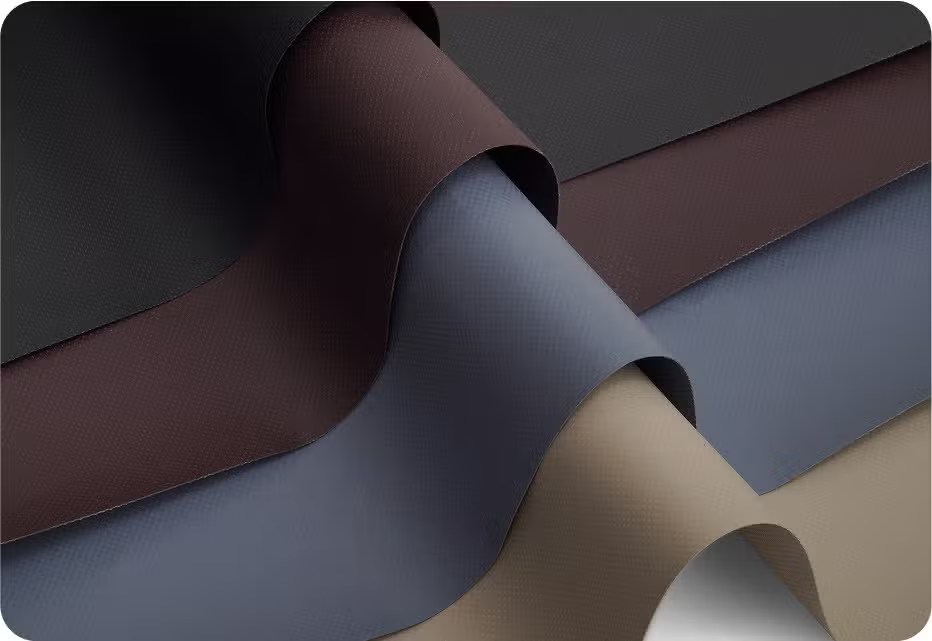
Review UV resistance, abrasion performance, water behavior, flexibility, and finished weight on Our Fabrics. Octagonal corners create eight recurring contact zones, so clean edges and correctly placed reinforcement matter. Browse Patio Furniture Covers for related outdoor table applications.
Set the Hem Above the Ground
Measure the preferred drop from the top edge to a point above soil, decking gaps, wet pavers, and adjustable feet. A small, consistent gap supports drainage and makes the cover easier to lift. Avoid excess fabric that can drag, snag, or conceal a rocking base.
Secure the Cover Without Distorting It
Choose approved retention points on stable legs or base features. Space them around the eight-sided footprint so one corner does not carry the entire wind load. Remove or relocate the table when the site’s weather plan requires it; a fitted cover does not make lightweight furniture storm-proof.
Send an Eight-Sided Fit Brief
Provide numbered plan-view measurements, both primary spans, eight side lengths, top thickness, base profile, feet, doors, shelves, hem height, securement points, materials, exposure, and labeled photos. Review the Octagonal Accent Table Cover or Request a Quote.
Frequently Asked Questions
Why are two width measurements required?
Flat-to-flat width describes the sides, while corner-to-corner width captures the longer diagonal that controls corner clearance.
Can I order a round cover for an octagonal table?
A round cover may leave excess fabric between corners and still press on them. The correct shape depends on the actual geometry and desired fit.
Should a planter stay on the table under the cover?
No. Remove loose décor and plants so moisture, weight, and an unstable silhouette are not trapped beneath the textile.
Turn Measurements Into a Clear Cover Brief
A dependable made-to-measure cover starts with one repeatable storage configuration, complete dimensions, labeled photos, safe-use limits, and the right handling plan. CoversForge can review fit, fabric, access, drainage, securement, and project quantities for the documented application. Request a Quote when the specification is ready.
Share This Article

Written by : CoversForge
Follow Us
Latest Articles
September 9, 2026
September 9, 2026