 Business






Dog Crate Covers: Plan Ventilation, Door Access, and Calm Use

Plan a custom dog crate cover with generous ventilation, safe door access, secure exterior fit, chew clearance, washable fabric, visibility, and supervision.
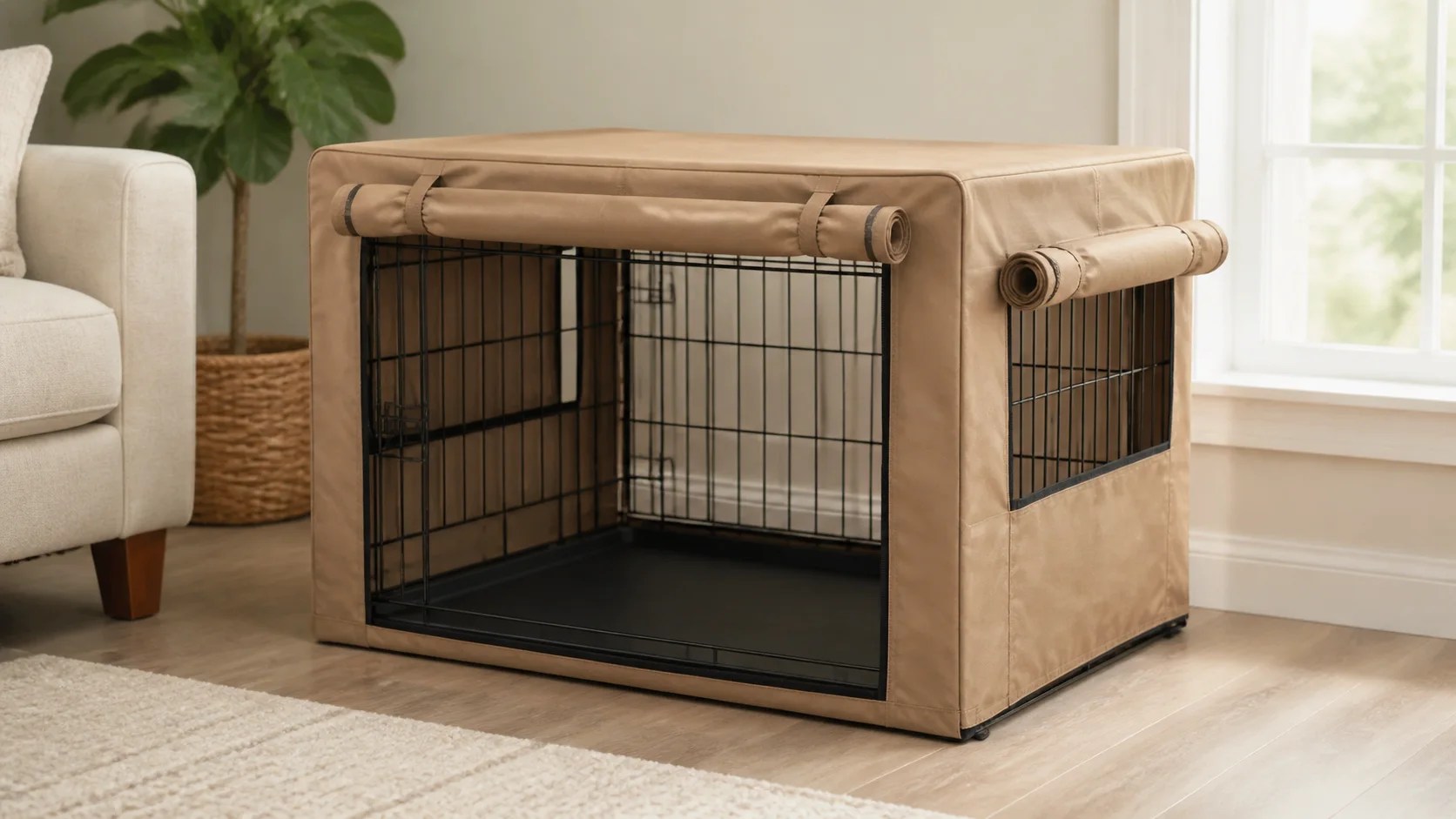
A crate cover can reduce visual stimulation and create a more settled resting area for some dogs, but fit and airflow matter more than a fully enclosed appearance. A custom dog crate cover should stay outside the crate, remain beyond chewing reach, preserve generous ventilation, and allow every required door and latch to open normally.
Use a crate only as directed by its manufacturer and your veterinarian or qualified behavior professional. Never use a cover to hide distress, overheating, destructive behavior, illness, or an unsafe environment. The dog must have appropriate supervision, temperature control, water and break routines, and positive crate training independent of the textile cover.
Confirm the Dog and Crate Are Suitable
Record the crate maker, model, material, size, door layout, and normal indoor location. Confirm that the crate is structurally sound and correctly sized for the dog. Observe the dog without a cover first. If the dog pants excessively, paws, chews, bends wire, vocalizes intensely, or tries to escape, remove the cover and seek appropriate guidance rather than increasing enclosure.
Measure the Exterior Frame Only
Following How to Measure, record maximum exterior length, width, and height across wire joints, plastic lips, handles, and feet. Measure with trays and dividers in their approved positions. Do not reduce clearance by pulling fabric through the bars. Note rounded corners and top handles so the pattern settles without bridging or snagging.
Map Every Door, Latch, and Handle
Identify front, side, and top doors, latch travel, carrying handles, tray access, and divider channels. Each working door needs a panel that rolls or folds fully out of the opening and remains secured outside the crate. Never operate a latch through fabric, tie a flap to the door, or leave cords and loops where the dog can reach them.
Preserve Generous Cross-Ventilation
Plan large, opposing openings rather than treating the cover as a sealed box. Keep at least one broad side open and adjust panels for room temperature, humidity, dog size, coat, and ventilation guidance. Never cover a crate in a hot car, direct sun, poorly ventilated room, or near a heater. Check the dog frequently; fabric cannot make an unsafe temperature safe.
Keep Fabric Beyond Chewing Reach
The cover should drape outside the frame without being pulled between bars. Increase exterior clearance around loose wire, door corners, and tray gaps that a dog can reach. Avoid dangling ties, magnets, elastic loops, or zipper pulls near the animal. A dog that grabs the cover should not be left with it; remove the textile and reassess training and placement.
Choose a Washable, Manageable Material
Review flexibility, abrasion, cleanability, color, and finished weight on Our Fabrics. Browse Custom Covers for sizing options. Ask about care instructions and allow every layer to dry completely after cleaning. Do not claim that ordinary cover fabric is soundproof, bite-proof, flameproof, or a substitute for veterinary care.
Position the Crate in a Safe Room Zone
Keep the crate away from radiators, fireplaces, direct HVAC blasts, window cords, unstable furniture, and busy door swings. Preserve access to the room and avoid blocking smoke alarms, vents, or exits. The cover should not touch hot surfaces or become a trip edge. Remove it before moving or folding the crate so panels cannot enter hinges or casters.
Introduce Coverage Gradually
Start with one panel resting on the top while broad sides remain open, then observe relaxed body language and normal breathing. Increase coverage only if the dog remains comfortable. Pair the routine with positive crate training, not punishment. Household members should understand which panels stay open, how often to check the dog, and which signs require immediate removal.
Test Access With the Crate Empty
Fit the cover on an empty crate first. Open every door to its full travel, operate every latch, remove the tray, and roll each panel into its secured position. Confirm that no edge enters the crate, blocks airflow, hides damage, or presses the roof inward. Add the dog only after the environment is comfortable and the cover is stable. Continue active observation during early use and after washing, relocation, or seasonal temperature changes.
Send a Responsible Crate Specification
Provide crate make and model, exterior dimensions, door and latch locations, handle and tray details, room conditions, desired open panels, cleaning needs, and labeled photos of the empty crate. Review the Custom Dog Crate Cover or use Request a Quote. Boarding and training facilities can document repeated crate sizes through Business Inquiries.
Frequently Asked Questions
Should a dog crate cover close on all four sides?
Usually broad cross-ventilation and visibility should remain. Follow the crate maker, veterinarian, and qualified behavior guidance, and never create a sealed or hot enclosure.
What if the dog pulls fabric through the bars?
Remove the cover immediately. The textile and all ties must remain beyond chewing reach; reassess fit, crate placement, and training before trying again.
Can a cover stop separation anxiety?
No. A cover may reduce visual stimulation for some dogs, but it does not diagnose or treat anxiety. Seek veterinary or qualified behavior support for distress or escape behavior.
Share This Article

Written by : CoversForge
Follow Us
Latest Articles
September 9, 2026
September 9, 2026