 Business


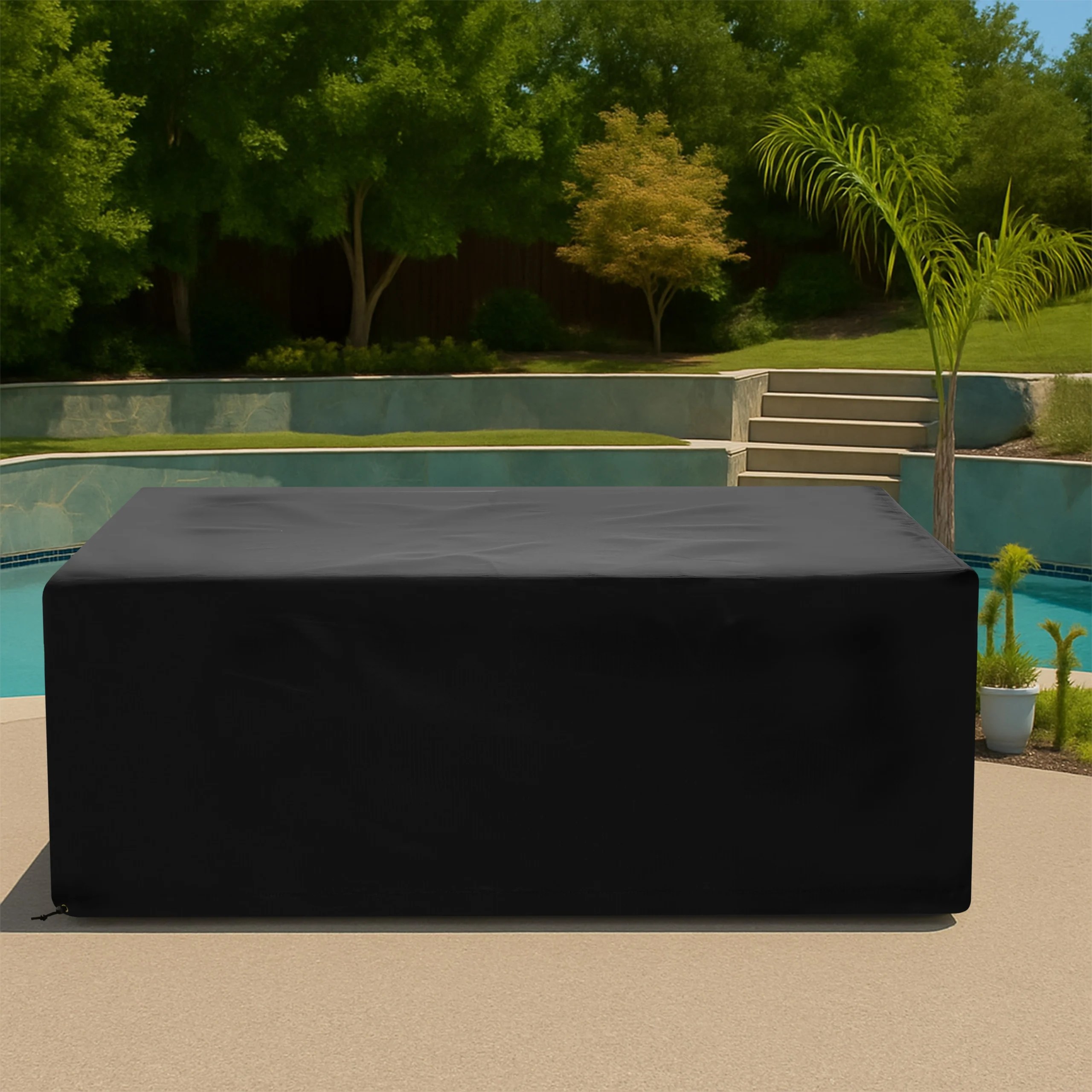




Waterproof Machine Covers: Specify Fit, Access, Ventilation, and Safety

Industrial and commercial machines rarely share one clean box shape. [...]
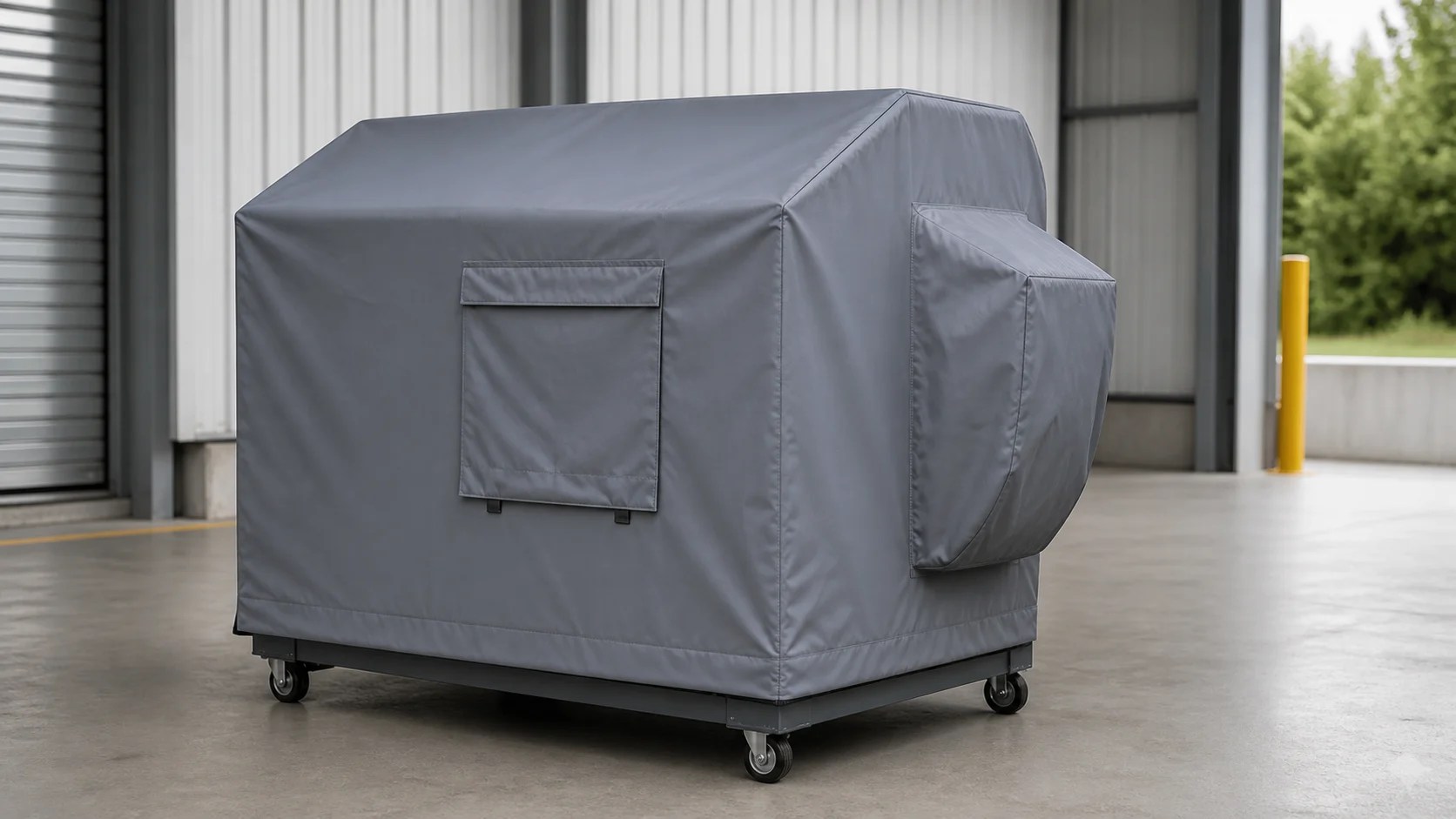
Industrial and commercial machines rarely share one clean box shape. Motors, guards, control cabinets, feeders, tables, casters, ducts, and service zones create an asset-specific envelope. The phrase custom machine covers waterproof should describe a planned barrier for an approved inactive condition, not permission to wrap operating equipment or ignore heat, ventilation, electrical, chemical, and maintenance requirements.
Start with the equipment maker’s documentation and the facility safety program. Authorized personnel must define the shutdown state, isolation steps, cool-down time, permitted materials, required clearances, and inspection routine. Stop the project if fabric could conceal a hazard, obstruct an emergency control, or conflict with a listed enclosure, sanitation rule, fire requirement, or lockout/tagout procedure.
Define the Exact Protected Condition
State whether the cover is for outdoor shutdown storage, washdown separation, construction dust, transport staging, or seasonal inactivity. Record what energy sources are isolated, which components are removed, and who is authorized to install it. Do not use vague labels such as weatherproofing without defining exposure and limits. The design must match a documented condition and be removed before startup, inspection, charging, fueling, heating, cleaning, or any task prohibited by the manufacturer.
Create an Asset Geometry Map
Use the exterior straight-line method on How to Measure only after the safe state is established. Record overall width, depth, and height plus motors, guards, tables, chutes, hoppers, handles, casters, bases, and fixed piping. Use drawings and labeled photos to locate each projection from stable reference planes. Do not remove guards or enter restricted areas simply to obtain a tighter measurement.
Separate Fixed and Moving Components
Mark doors, slides, belts, shafts, lifts, heads, arms, and other parts that change position. Choose one locked storage configuration and show it on the specification. Fabric must never restrain motion or serve as a machine guard. If a component can drift under gravity, pressure, or stored energy, follow the approved blocking and isolation procedure; do not rely on a snug cover, strap, or improvised support to hold it.
Plan Access Without Hiding Hazards
Identify the exact labels, disconnects, emergency stops, indicators, locks, inspection windows, and service points that must remain visible. An access flap should expose only the approved area in the inactive state, with a clear orientation and closure. Never route an opening toward a live panel, hot surface, pinch point, or rotating component. The cover should carry asset identification so it cannot be confused with authorization to operate the machine.
Preserve Cooling and Moisture Paths
Inventory vents, fans, exhausts, drains, pressure-relief paths, weep points, and hot zones. A waterproof outer surface cannot justify trapping internal moisture or residual heat. Shape the top to shed water away from openings, and keep the hem above standing water. If the equipment requires passive ventilation while inactive, incorporate it only as the manufacturer and facility approve. Condensation findings should trigger drying and specification review, not tighter sealing.
Select Material Against Real Exposures
Compare water performance, UV, abrasion, flexibility, surface compatibility, and handling weight on Our Fabrics. Browse Equipment Covers for related applications. Facilities must separately evaluate flame behavior, static control, chemical resistance, food-contact restrictions, cleanability, and regulatory needs. No general cover fabric is automatically suitable for every machine or process area; document approvals and exclusions before ordering.
Design Closures for Safe Removal
Choose closure points that authorized users can reach without entering a restricted zone, climbing on equipment, or reaching beneath suspended parts. Keep straps away from cables, hoses, conductors, sharp feet, wheels, and emergency pathways. Provide a labeled removal sequence for large covers and a dry storage location nearby. Closures secure the fabric only within its intended conditions; they are not lifting slings, transport restraints, guards, or lockout devices.
Run a Controlled First-Fit Review
Perform the trial with the asset in the approved safe state and with responsible operations or maintenance personnel present. Inspect corners, guards, controls, labels, vents, seams, drainage, hem clearance, and the removal path. Photograph accepted and rejected contact points. After a representative weather cycle, check moisture, abrasion, contamination, and movement. Remove the cover immediately if it shifts into a prohibited zone or interferes with required access.
Set Inspection and Change-Control Triggers
Name the person or team responsible for checking the cover and asset. Define inspection frequency, acceptable moisture, cleaning methods, damage limits, and removal criteria. Any retrofit, new sensor, guard replacement, changed utility connection, relocated machine, or revised safety rule should trigger a specification review. Keep the dry cover identified and stored away from process contamination so it is not moved to an unapproved machine simply because the dimensions look similar.
Issue an Auditable Machine-Cover Record
Provide the asset ID, model, use case, safe-state requirements, geometry drawings, access and visibility map, ventilation and drainage rules, material restrictions, closures, exposure, quantity, and inspection owner. Review Custom Machine Covers, then use Request a Quote after internal technical approval. Multi-site teams can coordinate documentation through Commercial Sales or Business Inquiries. Revalidate after any retrofit.
Share This Article

Written by : CoversForge
Follow Us
Latest Articles
September 9, 2026
September 9, 2026