 Business





Bar Table and Stool Covers: Measure One Tall Outdoor Set Correctly

A bar-height dining group puts its widest edges well above [...]

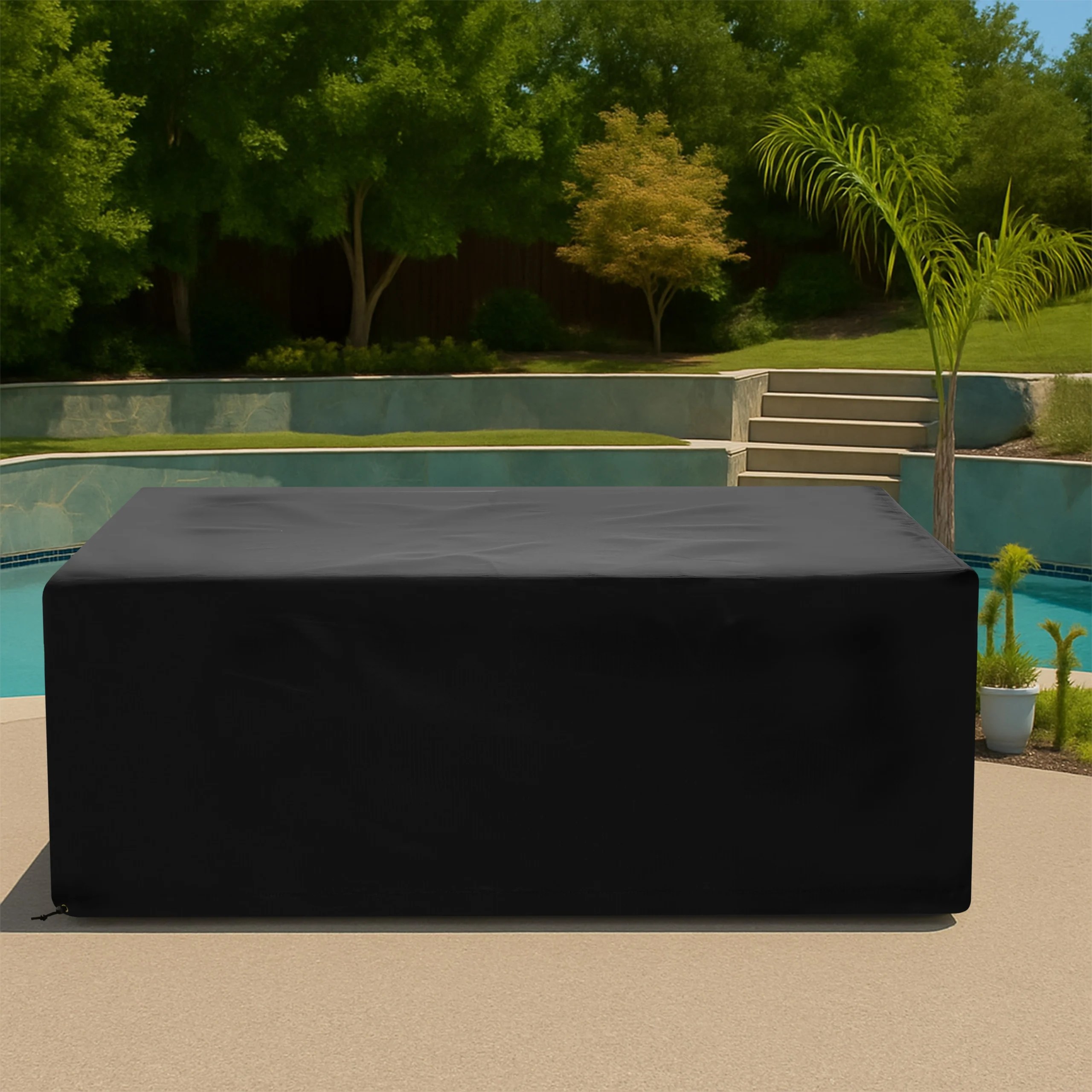
A bar-height dining group puts its widest edges well above the patio floor. Stool backs, tabletops, footrests, arms, and swivel bases can create a stepped outline that a flat rectangular cover cannot follow cleanly. Custom outdoor bar table and stool covers work best when the full set is documented in one repeatable parked arrangement, with enough slope to shed rain and enough lower clearance to stay away from wet paving.
Before measuring, choose the exact stool count, remove serving items, dry every cushion, and place the set where it will normally be covered. Photograph all four sides and mark a front orientation. The cover is a storage accessory, so remove it completely before anyone moves a stool, sits down, or uses the table.
Lock In a Repeatable Stool Layout
Assign every stool a position and decide whether backs face outward, seats tuck under the apron, or arms prevent full nesting. Measure the gap between each stool and the table rather than pushing pieces together until they touch. Swivel seats should be centered in the approved storage position, and adjustable stools should use one recorded height. A simple plan-view sketch lets staff recreate the same perimeter instead of forcing a shaped cover over a different arrangement each night.
Measure the Complete Tall Envelope
Follow the straight-line method on How to Measure. Record maximum width and depth across the outside stool backs, overall height at the tallest point, tabletop width, apron depth, and the floor-to-seat and floor-to-back dimensions. Measure more than one axis on round tables. Decorative back rails, arm ends, and tabletops with projecting corners often define the real cover size, not the nominal furniture dimensions.
Map Footrests, Pedestals, and Bases
Tall furniture frequently has circular pedestal feet, crossbars, or ring footrests close to the floor. Note their outside diameter, height, and relationship to the stool legs. The hem should protect vulnerable finishes without catching below a footrest or sealing against the deck. Closures need a reachable, structurally sensible location; do not loop straps around swivel mechanisms, sharp brackets, or a freestanding table base that can tip.
Decide How Cushions Stay or Go
If cushions remain outdoors, measure their uncompressed crown, piping, ties, and overhang in the exact parked layout. Indoor cushion storage reduces bulk and moisture exposure but changes the pattern, so select one routine and keep it consistent. Never cover damp foam, and do not compress seat pads simply to make the group smaller. Loose cushions should be secured or stored according to their maker’s guidance before high winds.
Build Drainage Across a High Center
A tall tabletop can create a useful high point, but gaps between the table and stool backs may still become valleys. Preserve a continuous path for rain to leave the top and avoid unsupported fabric shelves. Use only stable, finish-safe supports if the furniture maker permits them. Inspect the first rainfall, remove standing water, and correct the parking layout or support plan instead of tightening the fabric until seams carry pooled-water loads.
Choose Fabric for Exposure and Handling
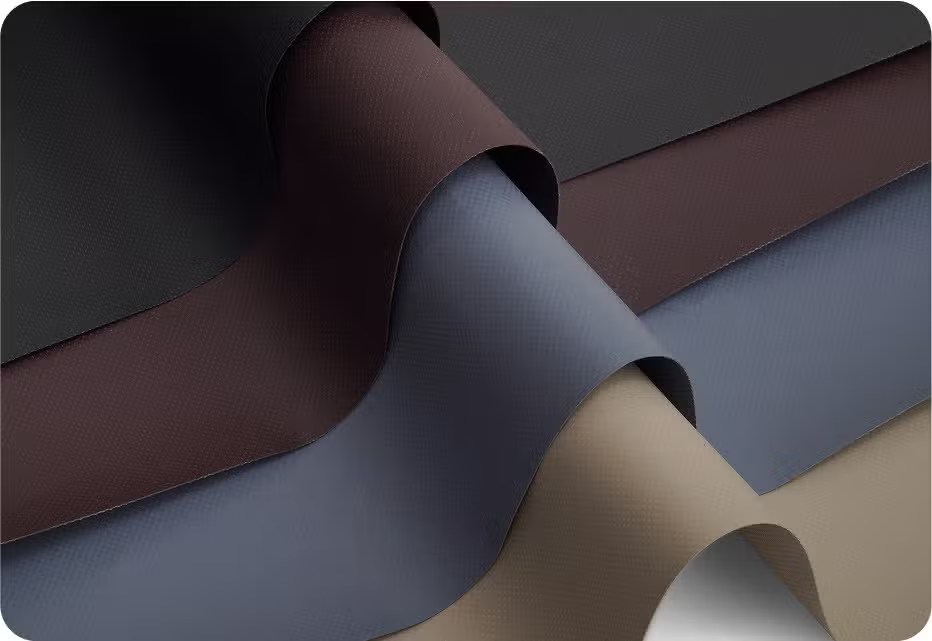
Compare UV, rain, abrasion, surface compatibility, and finished handling weight on Our Fabrics. Coordinated hospitality areas can also reference Patio Furniture Covers. A group cover must be durable, but it should remain manageable for the people who lift it over tall stool backs. Clean grit from the furniture and the inside face so repeated removal does not polish corners or scratch coated metal.
Set the Hem for Wind and Walkways
Measure ground clearance at every side, including the low edge of a sloped deck. Keep the hem above puddles, landscaping, and routine wash water. Position buckles or drawcords where staff can reach them without kneeling under the table or stepping into traffic. Secure only to approved furniture points, and keep loose tails away from guests. A tighter hem cannot compensate for leaving the set exposed during severe-weather conditions outside its rated use.
Run a Real-World First-Fit Test
Install the dry cover with the same people who will handle it. Check stool-back corners, tabletop edges, seams between high and low zones, footrests, lower clearance, and closure access. Confirm that removal does not require standing on a chair. After one normal weather cycle, inspect for condensation, rubbing, shifted stools, or water pockets. Label the front and the lifting sequence so users do not twist the cover or pull on one seam.
Maintain the Furniture and Cover Together
Inspect table joints, stool glides, swivel hardware, finish condition, cushions, and the matching contact zones inside the cover on a regular schedule. Clean and dry the cover according to its care instructions before folding it. Re-measure after replacing stools, adding thicker cushions, changing the table base, or moving the set to a more exposed patio. Retire torn fabric before a loose edge becomes a trip hazard or catches on a footrest.
Send a Complete Bar-Set Specification
Provide the layout sketch, stool count, full envelope, table shape, pedestal and footrest details, cushion decision, exposure, quantity, and labeled photos. Review Bar Table and Stool Covers, then use Request a Quote for mixed seating or unusual bases. Restaurants and multi-location buyers can coordinate specifications through Business Inquiries or Commercial Sales. Recheck all dimensions before production.
Share This Article

Written by : CoversForge
Follow Us
Latest Articles
September 9, 2026
September 9, 2026