 Business


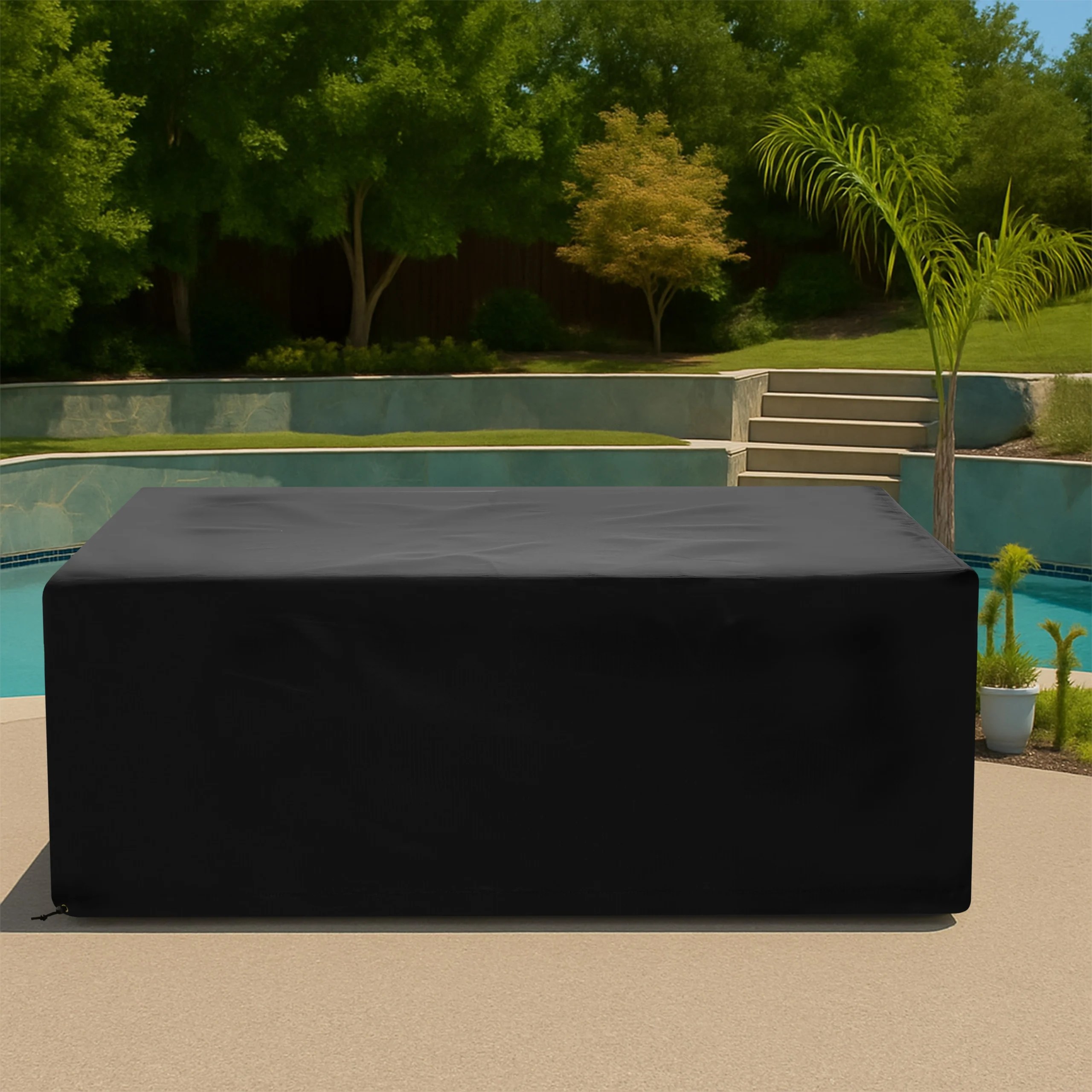



Custom Generator Covers: How to Protect Outdoor Power Equipment Year-Round

Outdoor generators are built to work in demanding conditions, but [...]
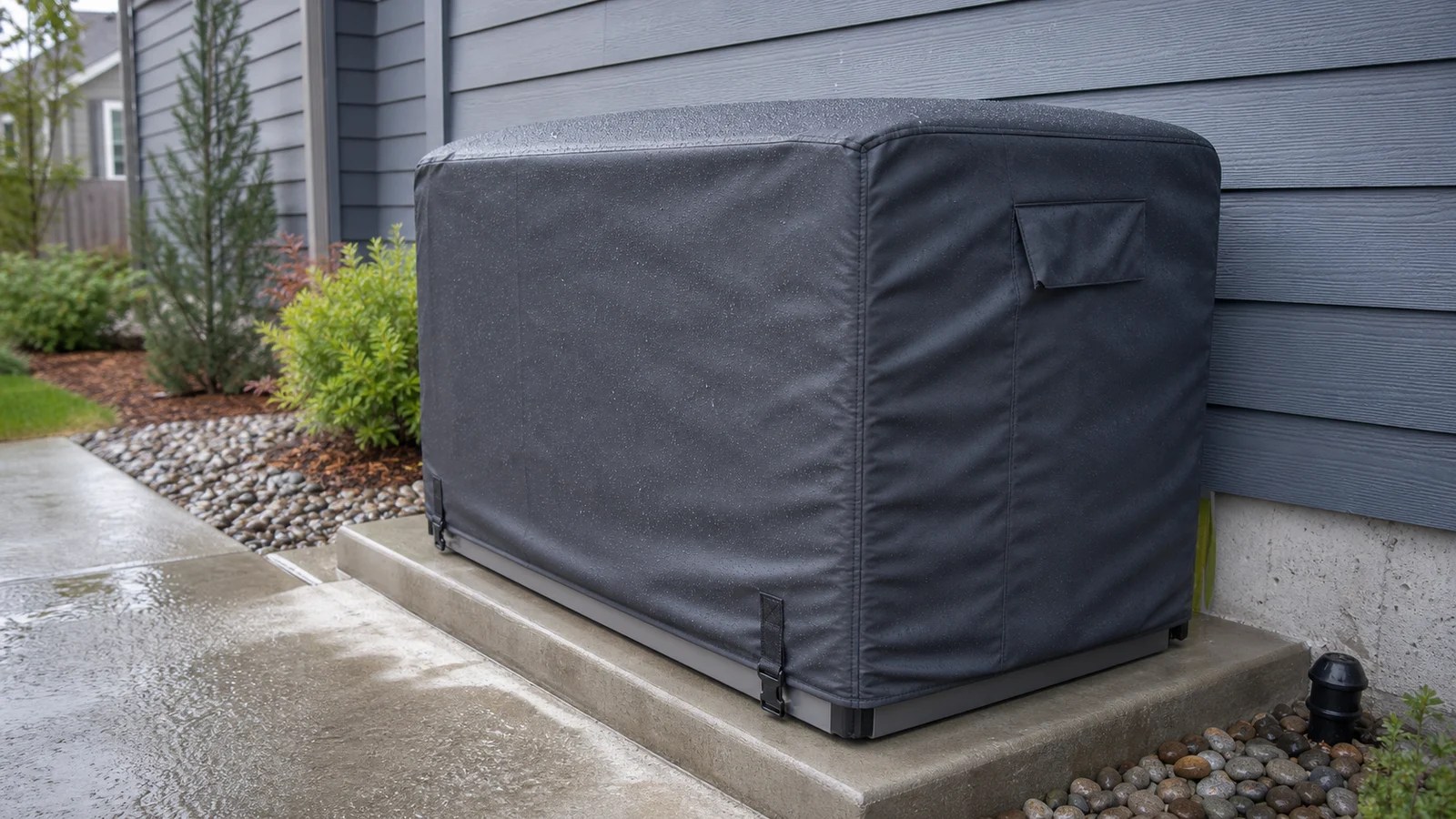
Outdoor generators are built to work in demanding conditions, but storage exposure can still shorten the life of the enclosure, controls, vents, fasteners, and surrounding hardware. Rain, UV, wind-blown dust, leaves, pollen, and standing moisture can all collect around a unit that sits outside year-round. Custom generator covers help reduce that daily exposure by fitting the equipment shape instead of relying on a loose tarp or oversized universal cover.
The best generator cover is not just a box of fabric. It should account for the generator’s height, width, depth, vent locations, control access, base clearance, and the way the unit sits near a wall, fence, slab, or utility area. A cleaner fit helps the cover stay in place and reduces the fabric movement that can rub against corners or pull at seams during wind.
What a generator cover should protect
Start with the areas that are most exposed during storage. On portable generators, that often means the top surface, control panel, outlets, handles, wheels, and fuel cap area. On larger standby-style units, the enclosure top, side panels, louvers, access panel edges, and base area matter most.
- Top surface: Rain, leaves, and debris often collect here first, especially when the unit sits near trees or roof runoff.
- Control panel: A fitted cover can help reduce direct dust and moisture exposure around switches, outlets, and covers.
- Side panels and corners: Reinforced seams help protect areas that experience fabric tension and repeated handling.
- Base and lower edge: Straps or lower fastening points help keep the cover stable without dragging on wet ground.
Fit matters more than extra fabric
A loose cover may seem safer because it looks like it covers more area, but excess fabric can create its own problems. It can flap in wind, catch on sharp edges, hold pockets of water, or make routine access harder. For outdoor equipment, a more precise cover usually performs better because it follows the shape and gives straps a predictable path.
This is especially important for generators placed close to a wall, fence, or garage. A standard cover may be difficult to tighten evenly in a tight space. A made-to-measure design can account for where the unit sits and where the user can actually reach the buckles or straps.
Measure before ordering
Before requesting a custom cover, take photos from the front, back, both sides, and above if possible. Then measure the full height, width, and depth of the equipment. Include handles, wheels, raised caps, protruding panels, or mounting feet if they need to sit under the cover.
- Width: Measure the widest point, including handles or side protrusions.
- Depth: Measure from the front-most to rear-most point that needs coverage.
- Height: Measure from the base surface to the highest point of the unit.
- Clearance: Note whether the generator sits against a wall, under a shelf, or near other equipment.
- Access needs: Decide whether you need a flap, removable panel, or simple full-cover design.
The CoversForge measuring guide is a useful starting point for organizing dimensions and photos before requesting a made-to-measure cover.
Ventilation and safety considerations
A generator should be cool and shut down before it is covered. Covers are for storage protection, not for operating equipment. If a generator needs regular access or sits in a damp area, discuss vent placement, breathable material choices, and access flaps before production.
Ventilation features can help reduce trapped moisture during storage, but they must be placed carefully. A vent should support airflow without letting rain enter directly. The right design depends on the generator shape, local weather, storage duration, and whether the unit is portable or fixed in place.
Fabric and construction details to check
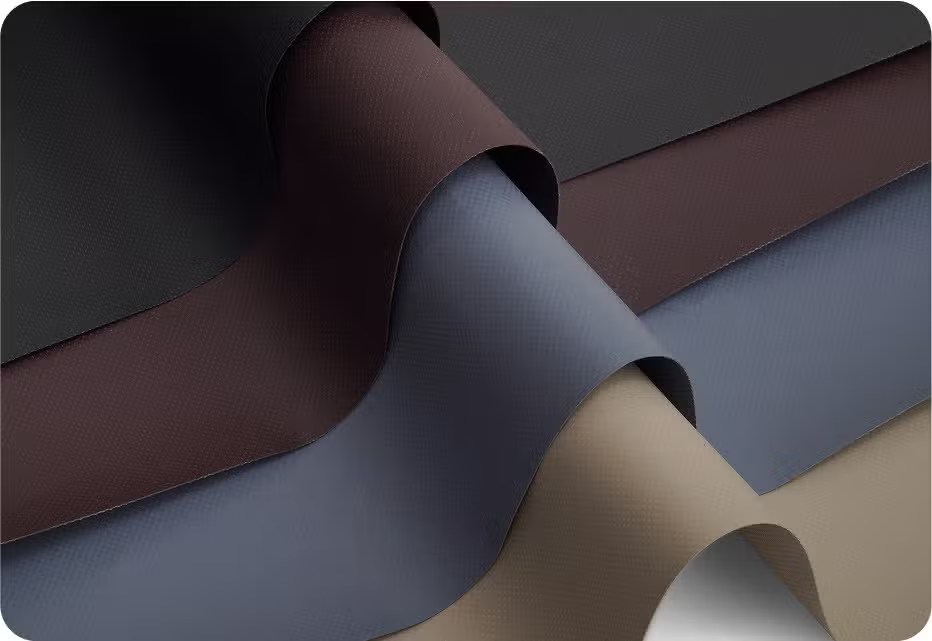
Generator covers often need tougher construction than light furniture covers because equipment edges, corners, and hardware can create stress points. Look for outdoor fabric with water resistance, UV resistance, reinforced seams, and strong stitching around corners and fastening points.
For equipment stored outside year-round, reinforcement can be more important than raw thickness alone. A cover that is too stiff may be hard to install, while a cover that is too soft may sag or move too much. The best choice balances durability, manageable handling, and the conditions where the generator is stored. You can compare material options on the CoversForge fabric page.
Portable generator vs standby generator covers
Portable generators often need covers that account for wheels, handles, outlets, and irregular frames. A full cover can help keep the unit cleaner between uses, especially when stored in a garage, shed, patio corner, or outdoor utility area.
Standby-style generators usually have a more rectangular enclosure, but they may need careful attention around vents, access panels, and installation clearances. If the unit requires service access, a custom design can include panels or fastening choices that make maintenance easier.
When a custom generator cover is worth it
A basic cover may be enough for short indoor storage. A custom cover is more useful when the generator stays outside, has unusual dimensions, sits in a narrow space, or needs a cleaner fit for repeated use. It is also helpful when you want the cover to match other outdoor equipment covers for a consistent property appearance.
To plan a cover for a generator or other outdoor equipment, start with the equipment covers category or send dimensions and photos through Request a Quote. Include the storage location, measurements, access needs, and any hardware that should be protected.
Share This Article

Written by : CoversForge
Follow Us
Latest Articles
September 10, 2026
September 10, 2026
September 10, 2026