 Business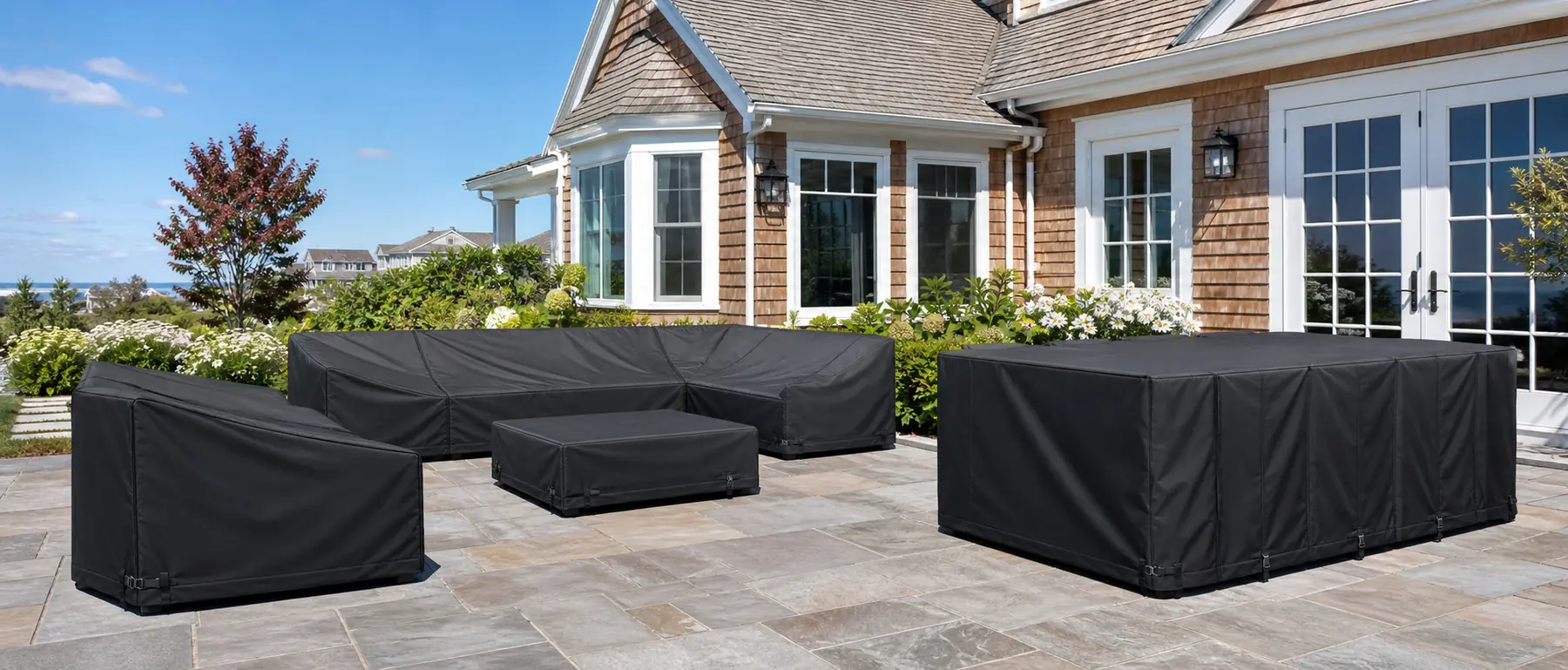


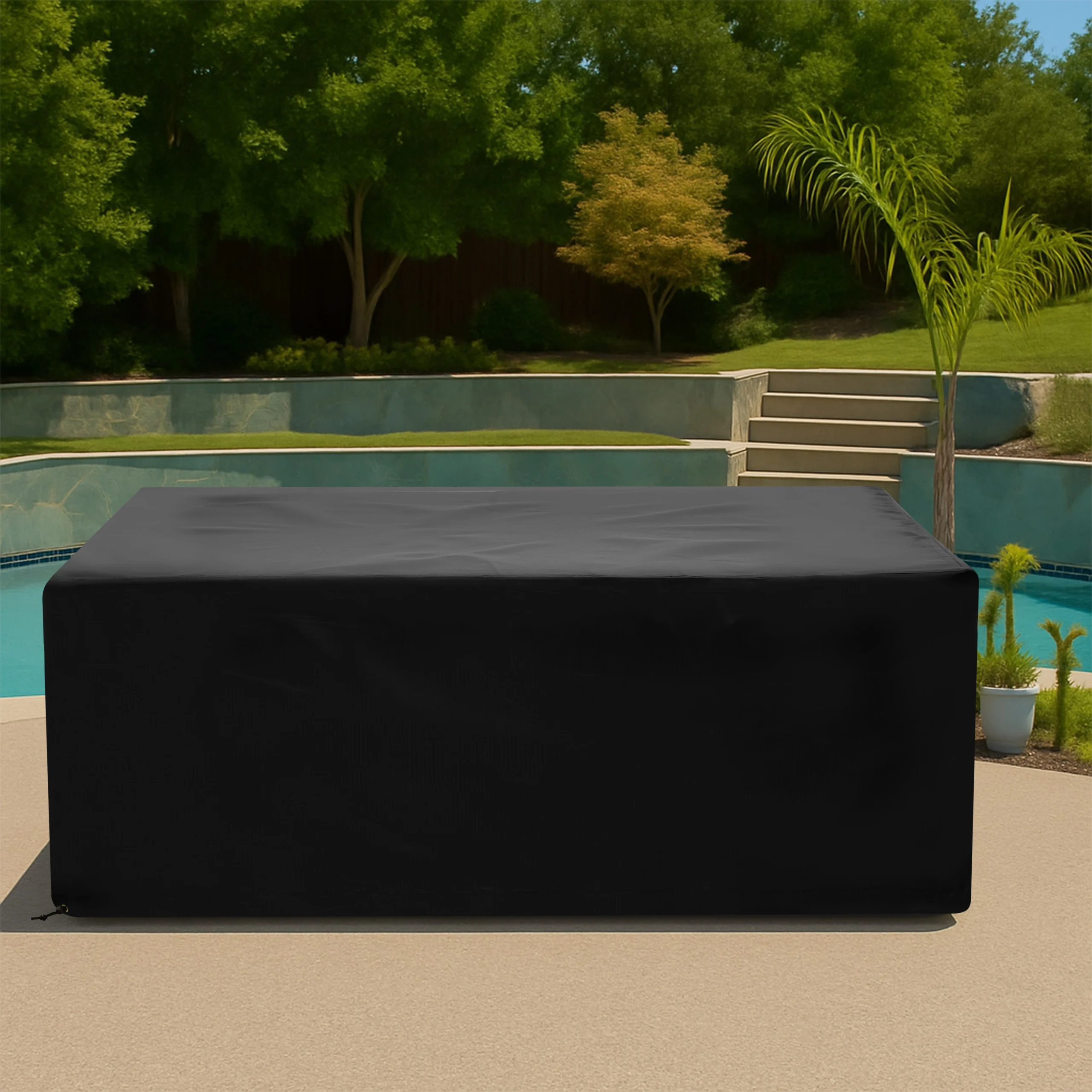


How to Order a Custom Cover Online Without Guesswork is designed for buyers who want a practical, decision-ready guide rather than a generic product description. Outdoor covers are simple on the surface, but the best result depends on three things working together: the right use case, the right fabric, and accurate measurements. It is a practical step-by-step ordering guide for buyers who want confidence before submitting measurements online. If you are ready to compare made-to-fit options, visit Custom Covers and use this guide to prepare your order details.
Who This Guide Is For
This guide is useful for homeowners, restaurants, resorts, property managers, workshops, and anyone protecting outdoor assets that stay exposed to rain, sun, dust, wind, pollen, and daily handling. A cover is not just a temporary tarp. A well-designed cover helps reduce cleaning time, preserve appearance, protect cushions or equipment surfaces, and keep an outdoor area ready for use.
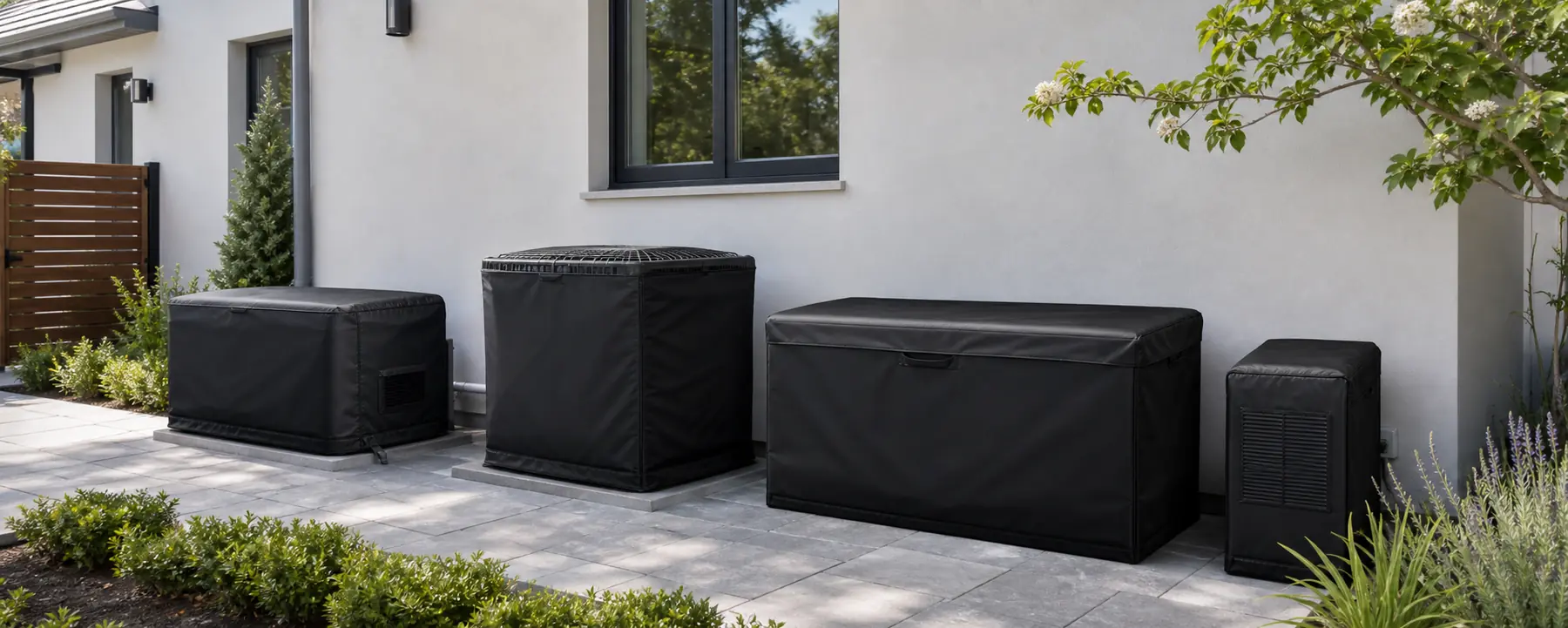
The biggest mistake buyers make is choosing only by approximate size. A universal cover can work for short-term storage, but it often leaves gaps, catches wind, or pools water because it was not shaped around the real object. A custom cover solves that problem by matching the actual dimensions, corners, height changes, handles, wheels, vents, and accessories.
Best Use Cases
It is a practical step-by-step ordering guide for buyers who want confidence before submitting measurements online. The ideal customer is someone who already knows the item is worth protecting. This may be a patio set used every weekend, a grill that stays outdoors year-round, a vehicle stored in a driveway, or workshop equipment that needs dust and moisture control. The more often the item is exposed, the more value a fitted cover delivers.
Custom covers are especially helpful when the item has an unusual shape, when the cover must look clean in a visible space, or when the object has details that a standard cover ignores. Examples include high chair backs, side shelves, curved furniture arms, control panels, trailer hitches, roof accessories, tool handles, and uneven equipment profiles.
How to Choose the Right Fabric
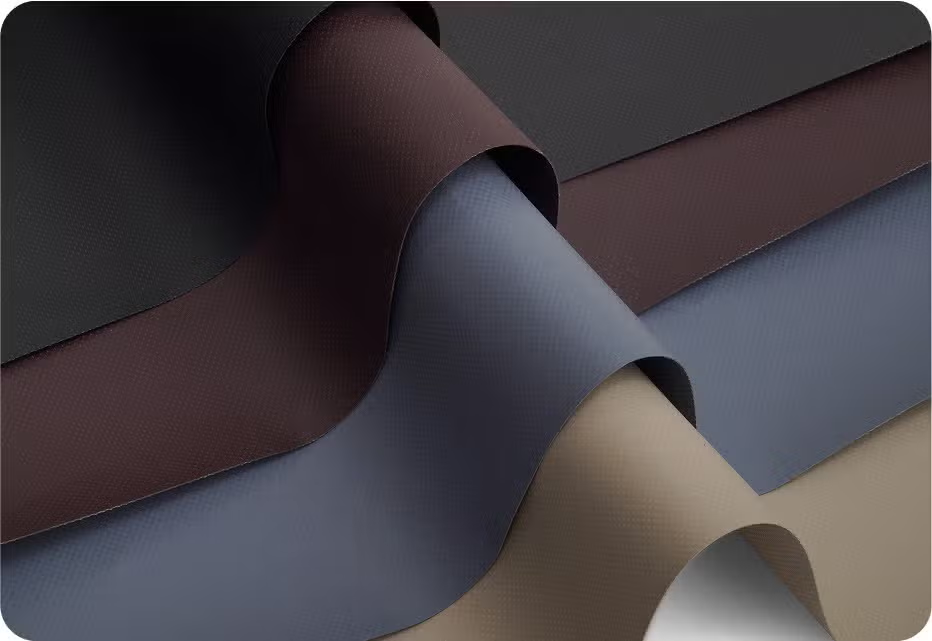
Choose fabric based on exposure first, then appearance and handling. Waterproof protection, UV resistance, and reinforcement needs should match the real use case rather than the cheapest or thickest option. A good cover fabric should balance waterproof protection, UV resistance, handling comfort, and shape stability. Heavy fabric can be useful, but weight alone does not guarantee protection. If a cover is too stiff, it can be hard to install. If it is too thin, it may wear faster at corners and high-contact points. The best fabric choice depends on weather exposure, frequency of use, and whether the covered item is residential, commercial, or industrial.
For sun-heavy locations, choose fabric with strong UV resistance to help reduce fading and surface aging. For rainy climates, waterproof fabric and good panel design matter because water should shed rather than sit in low spots. For dusty garages or workshops, a cleaner-fitting cover helps block debris without creating unnecessary bulk.
Waterproof and UV Protection
Waterproof protection helps block rain, sprinkler overspray, snow melt, and everyday moisture. UV protection helps reduce fading, drying, cracking, and heat-related aging. These two features work best when the cover fits properly. Loose covers can flap, rub, and collect water. Overly tight covers can stress seams and corners. A custom fit keeps the fabric closer to the item without forcing it into weak tension points.
If the covered item will sit outdoors for long periods, consider reinforced corners, secure tie-downs, and any needed vents. Tie-downs help manage wind. Reinforcement helps areas that receive repeated contact. Vents can support airflow in situations where trapped moisture is a concern.
How to Measure Correctly
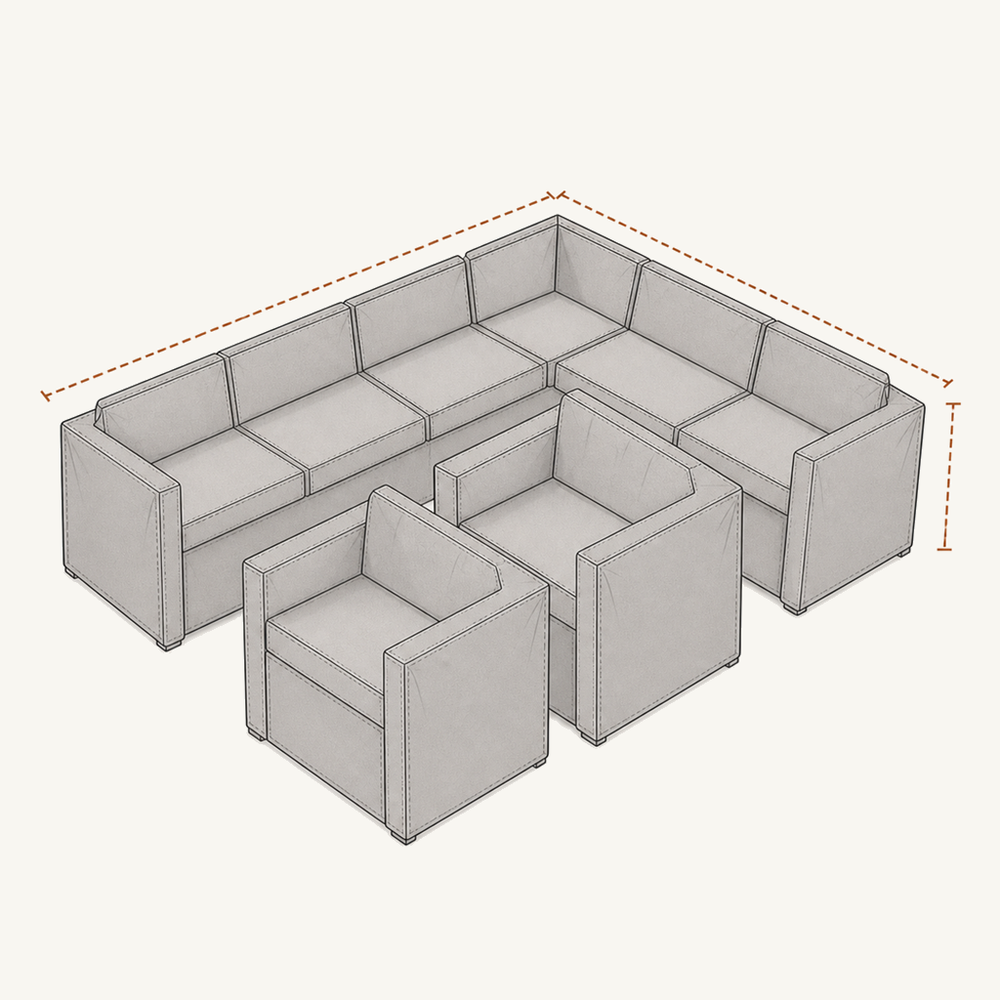
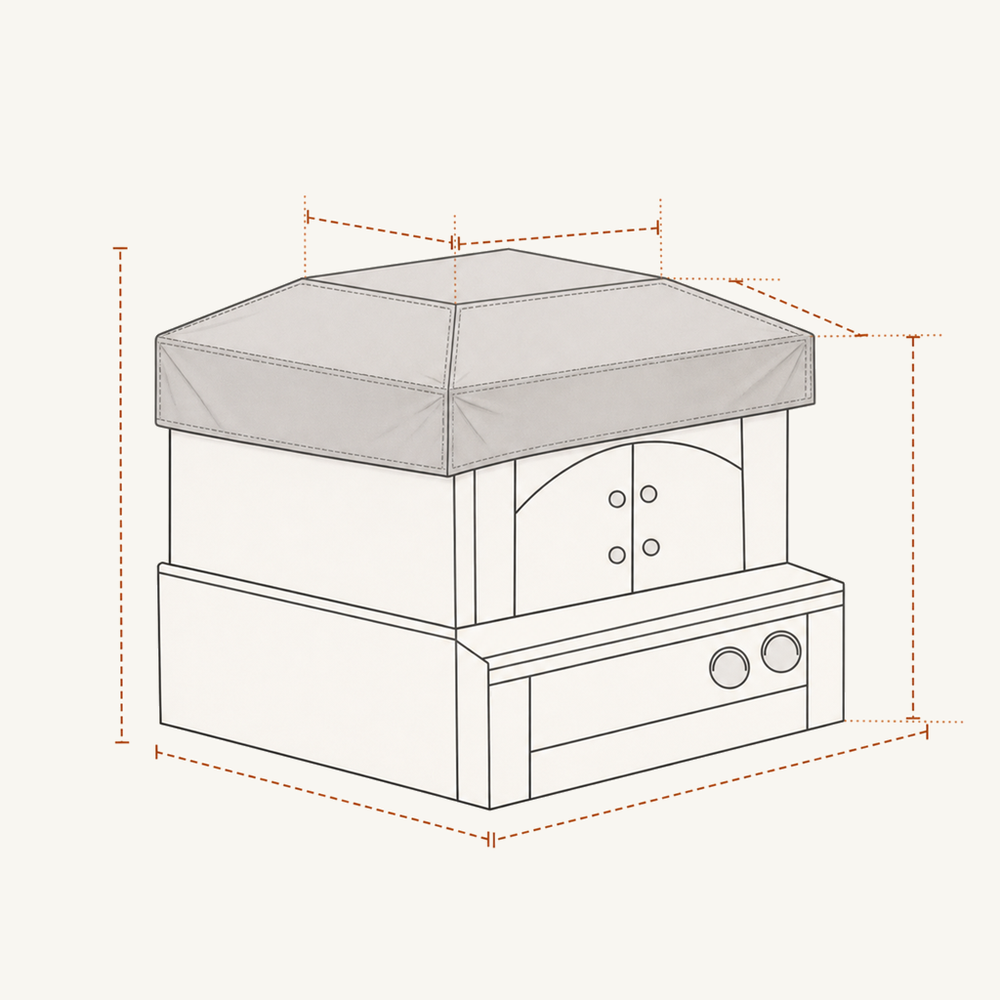
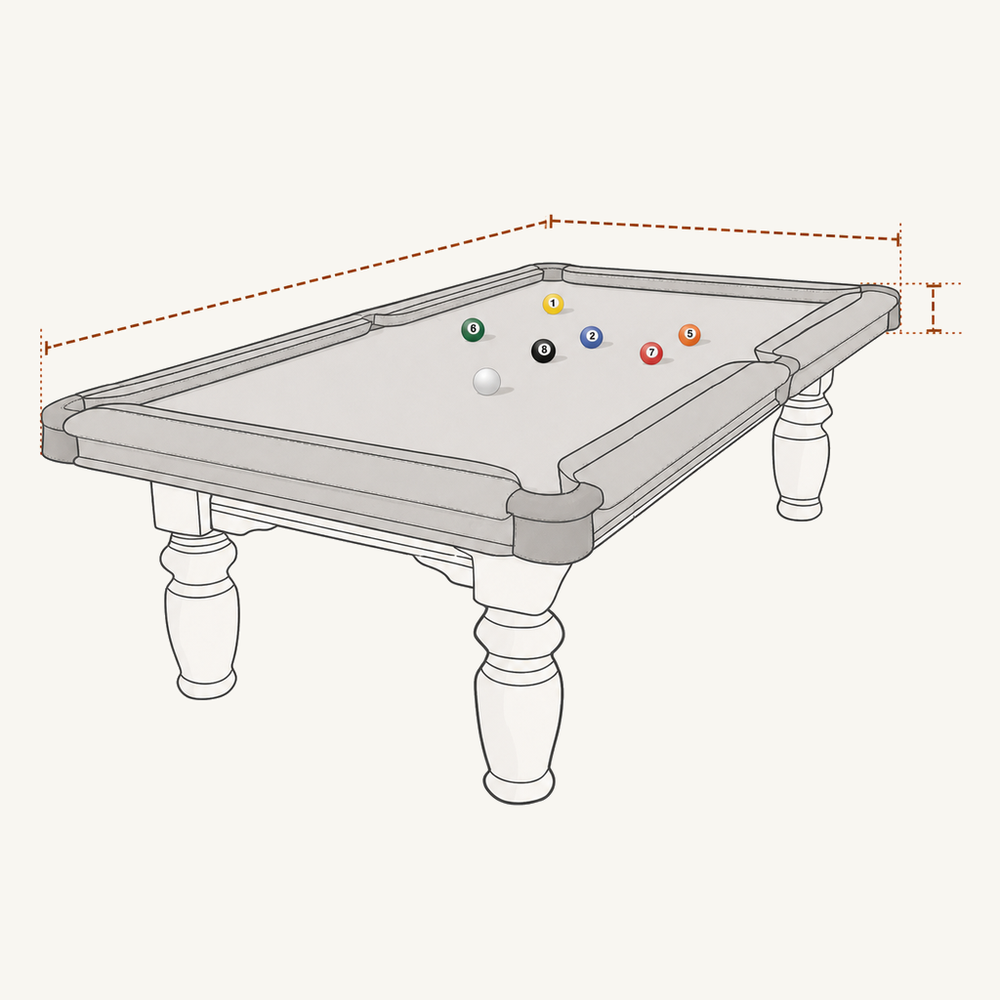
Start with a simple sketch, then add width, depth, height, diameter, and special notes. Check the measurements twice and compare them against photos before ordering. Always measure the actual item, not an old cover. Use the widest width, deepest depth, and tallest height. For round items, measure diameter and height. For irregular items, include photos from the front, side, rear, and a 45-degree angle. Photos help the production team understand shape, overhangs, controls, handles, wheels, and accessories.
Do not add too much extra allowance unless the order form asks for it. Oversizing can create sagging fabric and wind movement. Undersizing can make the cover hard to install or place stress on seams. If you are unsure, provide notes describing how you want the cover to sit, whether it should reach the ground, and whether any part needs easy access.
Why Custom Is Better Than Universal
A universal cover is designed for many objects, which means it rarely fits one object perfectly. It may protect from basic dust or light rain, but it can leave exposed areas, look untidy, and move in wind. A custom cover is built around your dimensions and use case, so the result can be cleaner, more secure, and more professional.
Custom sizing is also better for long-term value. When a cover fits well, it is easier to remove, easier to reinstall, and less likely to fail because of avoidable strain. This matters for everyday homeowners, but it matters even more for commercial spaces where outdoor furniture, grills, equipment, or vehicles must look ready for customers and staff.
Ordering Checklist
- Confirm the item type and where it will be used.
- Measure width, depth, and height using the largest points.
- Note special features such as handles, vents, wheels, shelves, arms, controls, or hitches.
- Choose fabric based on sun, rain, wind, dust, and handling frequency.
- Upload clear photos if the shape is not simple.
- Review the matching category page: Custom Covers.
FAQ
What information should I prepare before ordering?
Yes, custom covers are a strong choice when the object has value, unusual dimensions, or regular outdoor exposure. The cleaner fit helps reduce loose fabric, wind movement, and exposed areas.
Do photos help with custom cover orders?
Use the largest outside dimensions and include notes for anything that changes the shape. If the item is irregular, photos are the safest way to explain details that numbers alone may miss.
What happens if my item has an irregular shape?
Waterproof and UV-resistant fabrics are recommended for outdoor use. The best option depends on climate, sun exposure, storage time, and how often the cover will be handled.
For the next step, compare the available made-to-fit options on Custom Covers and prepare your measurements before ordering.